The Washington Bitcoin merchant list has grown to 278 businesses across 94 named cities, with Seattle leading at 46 listings. This milestone matters not because the numbers are staggering—they aren't—but because they reveal something crucial about cryptocurrency's actual role in commerce: Bitcoin adoption thrives when it serves a genuine purpose beyond speculation. The story of Snorkel hot tubs illustrates this perfectly.
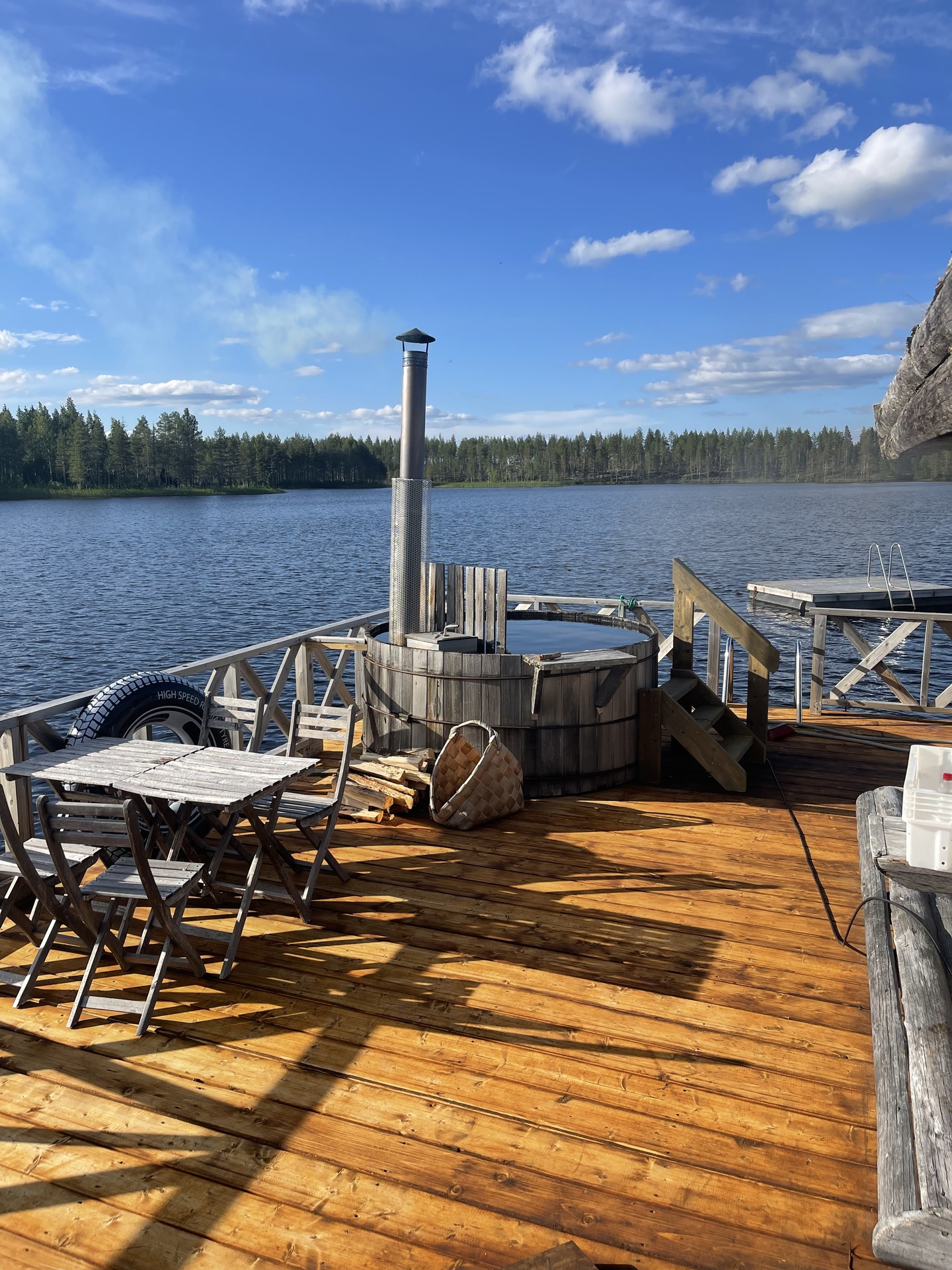
Snorkel has been manufacturing hot tubs in the Pacific Northwest since 1979, with roots in the wood-stove business dating to the late 1970s. Owner Michael Diederich began accepting bitcoin in 2025 after a bet with his brother, but the real innovation came when bitcoiners repeatedly asked him to build a hot tub powered by bitcoin miners. Working with Dane Soja of Hashrate House, Diederich created a prototype pairing a tub with two S19J Pro miners drawing about 8 kW, which heated water from cold to 104°F in under four hours. The project won an innovation award at the Heat Punk Summit in Denver, with a Snorkel tub now on display there. Diederich's vision—that every electric hot tub could eventually be heated by miners, with mining income offsetting otherwise-wasted heat energy—represents the kind of practical thinking that gives cryptocurrency credibility.
Meanwhile, smaller Seattle establishments like The Rose and Overcast Coffee demonstrate that bitcoin acceptance doesn't require revolutionary hardware. The Rose, located at 226 Main Ave S in downtown Renton in the Old Renton Pub building, opened in October 2020 as a gift shop serving coffee before the coffee side grew dominant. Owner Katie Newman's shop stocks locally roasted coffee and artisan goods, winning Best Customer Service in the 2025 Best of Renton readers' poll. Overcast Coffee started as a walk-up counter at 312 15th Ave E beside Kaiser Permanente when owner Jonathan Pak opened it in June 2020, later expanding to 1517 12th Ave inside the Metier bike complex. These businesses accept bitcoin simply because customers want the option.
The lesson here is straightforward: cryptocurrency adoption in retail doesn't need headlines-grabbing hype. It needs communities like Washington's, where local businesses recognize that accepting bitcoin serves their customers without compromising their core operations. BTC Map, the community-maintained survey behind this merchant list, proves that grassroots adoption—not corporate mandates—builds sustainable cryptocurrency ecosystems. If other regions want meaningful Bitcoin integration, they should study not just the numbers on Washington's list, but the motivations behind them.