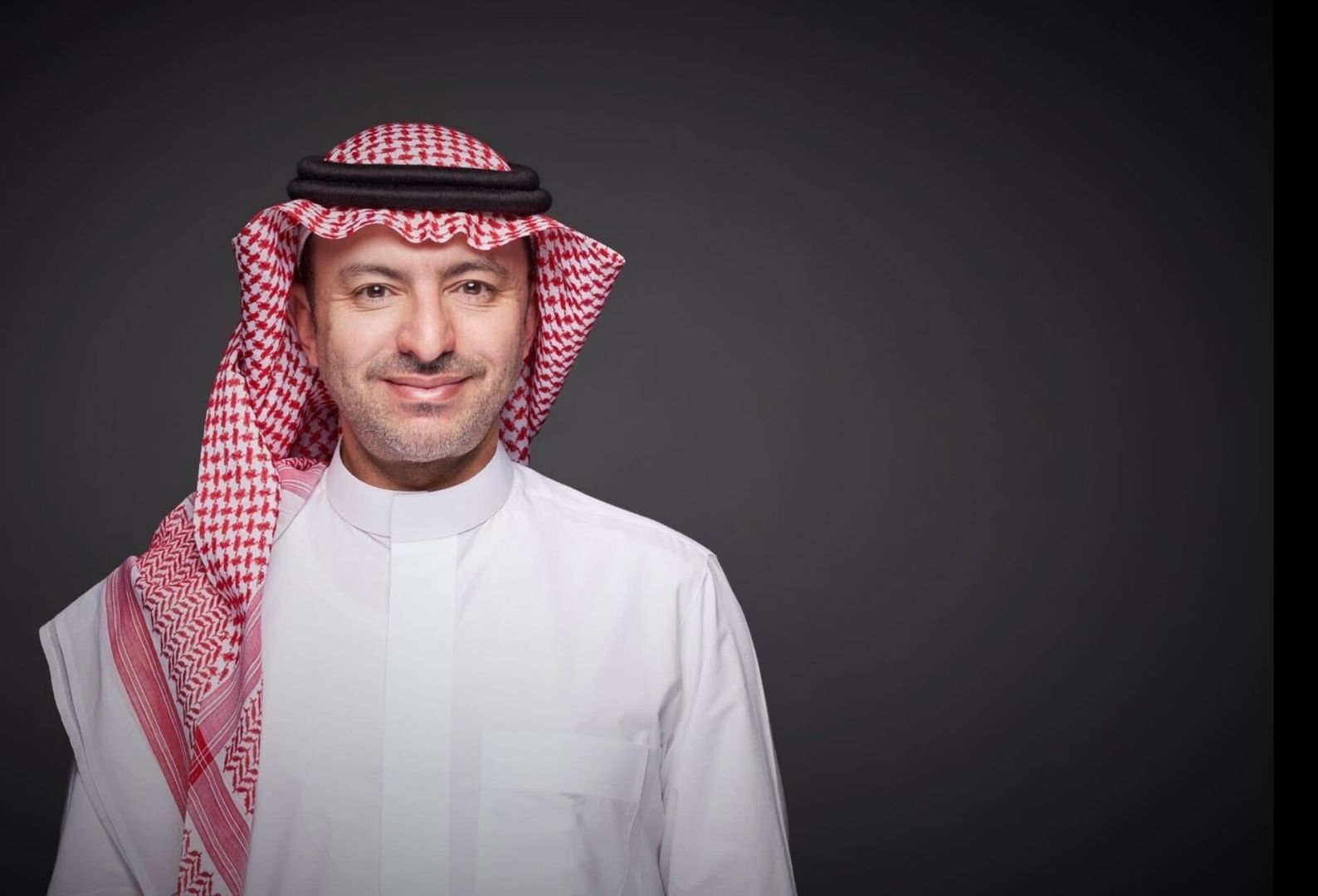
Saudi Arabia is moving aggressively to tokenize its economy. The chairman of droppRWA, a real-world assets platform, has locked in $12.5 billion in mandates focused on tokenizing real estate, with expansion plans that extend far beyond property markets.
The strategy reflects a broader Gulf shift toward blockchain infrastructure. By converting physical assets into digital tokens, Saudi Arabia aims to create redundancy against economic shocks and geopolitical pressure. Tokenization increases liquidity, fractionalizes ownership, and creates transparent settlement rails that bypass traditional intermediaries.
Real estate forms the beachhead. Property represents the largest asset class in most economies, making it the logical entry point for blockchain infrastructure. But the droppRWA chairman signals ambitions stretching into the trillions. That suggests tokenization of corporate debt, government bonds, infrastructure assets, and potentially commodities. Saudi Arabia holds vast reserves of oil, gold, and rare earth minerals that could move onchain.
The timing matters. U.S. sanctions threats, SWIFT restrictions, and currency volatility have pushed Gulf states toward alternative settlement systems. Blockchain provides a path to settle cross-border transactions without reliance on dollar-denominated systems. Saudi Arabia's Public Investment Fund and other sovereign wealth entities benefit from direct control over asset transfers.
Tokenization also enables programmable finance. Smart contracts can automate dividend distributions, trigger rebalancing, and enforce compliance rules. For a state managing trillions in assets, efficiency gains compound quickly.
The execution challenge is significant. Tokenizing real estate requires standardized legal frameworks, custody solutions that satisfy regulators, and oracle systems to validate underlying asset values. Saudi Arabia benefits from state backing and capital, but onboarding institutional investors requires proven security and regulatory clarity.
This move reflects recognition that blockchain infrastructure, once dismissed as speculative, now serves practical functions for large-scale asset management. As