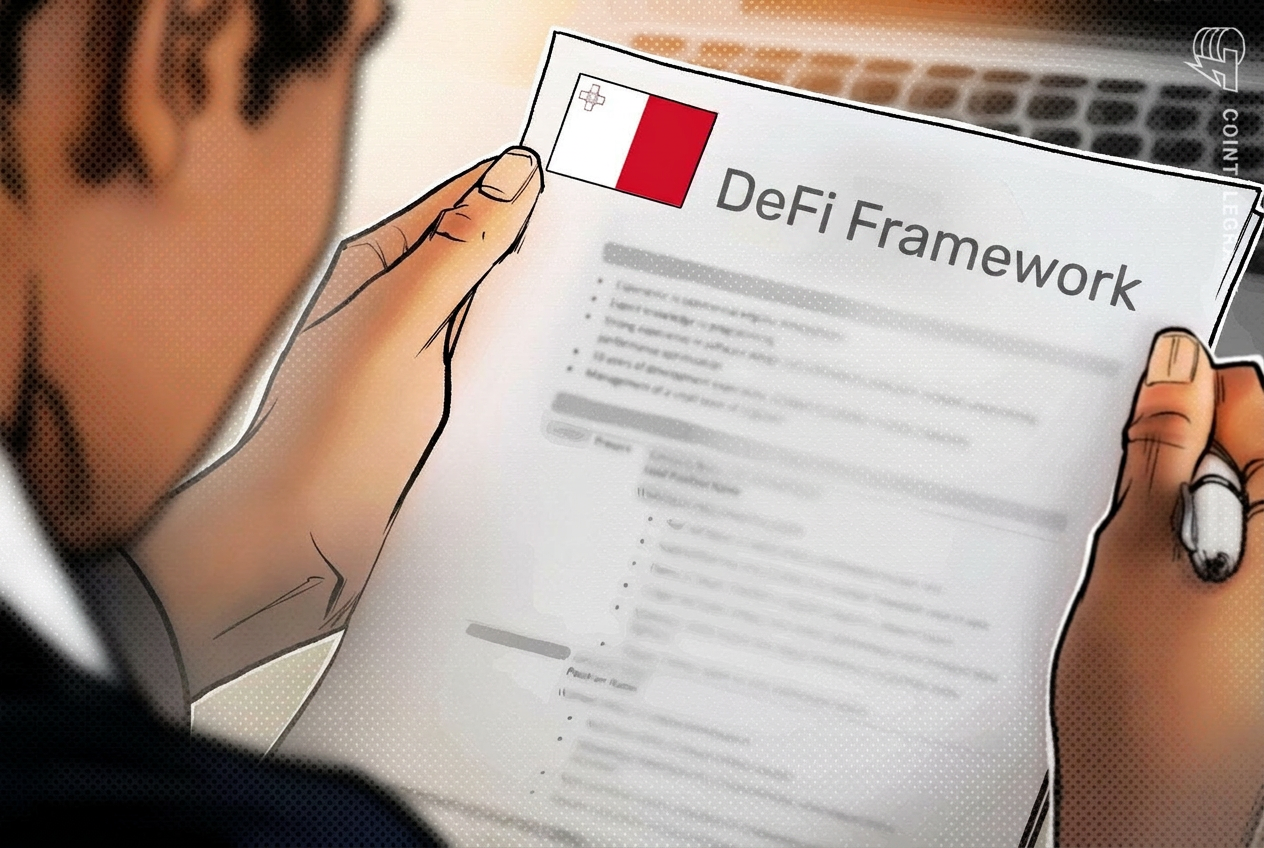
Malta's financial regulator has released a proposed rulebook for decentralized finance that treats DAOs and DeFi protocols as regulated entities under the country's Markets in Crypto-Assets Regulation (MiCA) framework. The move reflects growing pressure from EU regulators to bring decentralized finance into formal oversight structures.
The framework targets a fundamental problem in DeFi governance. Many projects marketed as decentralized retain significant control through development teams, token holders, or protocol administrators. Malta's regulator argues these "software-governed organizations" operate more like traditional financial platforms than truly autonomous systems, warranting regulatory treatment accordingly.
Under the proposal, DAOs would face requirements around governance transparency, fund custody standards, and operational accountability. The rulebook seeks to distinguish between genuinely decentralized protocols and those with centralized control vectors. Projects with concentrated decision-making power would face stricter compliance obligations, potentially including capital requirements and formal registration.
The timing aligns with Europe's MiCA rollout, which established baseline crypto asset regulations across EU member states. Malta, a crypto-friendly jurisdiction that previously housed major exchanges, now positions itself as a DeFi regulatory leader within Europe's broader regulatory infrastructure.
The regulator is actively soliciting industry feedback on the proposal. This consultation phase signals openness to input from protocol developers, DeFi platforms, and token communities before finalizing rules. The feedback window provides projects with an opportunity to shape how Malta interprets "decentralization" and which compliance burdens apply.
The proposal carries implications beyond Malta. Other EU countries lack specific DeFi frameworks and typically apply general MiCA rules to all crypto platforms. Malta's approach could serve as a template for more nuanced regulation that accounts for protocol architecture and governance structures.
For DeFi projects, the framework represents both risk and opportunity. Stricter oversight could increase compliance costs and limit certain governance practices. Conversely,