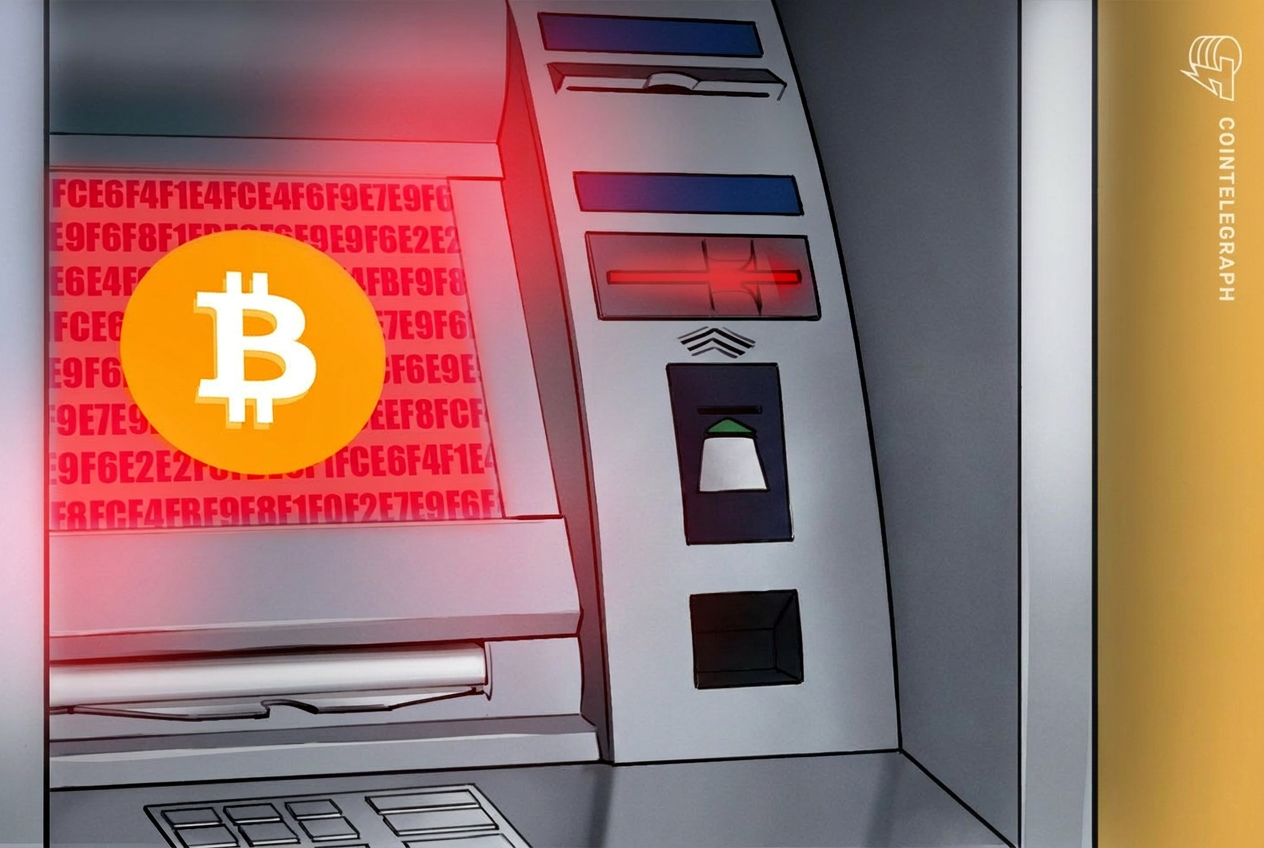
Tennessee's ban on cryptocurrency ATMs takes effect today, marking the latest regulatory crackdown on the machines across U.S. states. The ban prevents operators from installing or maintaining crypto ATMs within the state, effectively forcing existing machines offline.
Georgia enacted similar restrictions, joining Tennessee in prohibiting the devices. Minnesota legislators passed comparable legislation requiring operators to cease operations by August 1. These coordinated state-level bans reflect growing regulatory pressure against crypto ATMs, which regulators view as potential vectors for money laundering and fraud.
The machines have drawn scrutiny from law enforcement and financial regulators. Critics argue crypto ATMs enable illicit transactions by offering anonymous, rapid conversions between fiat and digital assets without traditional identity verification. States including New York already imposed strict licensing requirements that effectively banned most operators, while others pursued outright prohibitions.
Crypto ATM operators face mounting headwinds. The regulatory landscape shifted sharply after widespread reports of scams involving the machines. Users lost significant sums to exit scams and rug pulls facilitated through ATM transactions that proved difficult to reverse or trace.
Industry operators have largely accepted the inevitable. The economics of crypto ATM networks deteriorated as regulatory costs mounted and transaction volumes remained modest relative to centralized exchanges. Most major operators already scaled back deployment in anticipation of stricter rules.
The bans align with broader state efforts to tighten crypto regulation. Tennessee and Georgia's actions complement federal initiatives targeting digital asset service providers. Regulators increasingly treat crypto ATMs as money services businesses requiring licensing, compliance infrastructure, and customer verification protocols that most operators cannot support profitably.
The decline of physical crypto ATMs represents consolidation around regulated exchange platforms. Users now conduct crypto transactions primarily through licensed platforms like Coinbase and Kraken, which operate under established KYC and AML frameworks. This regulatory shift channels crypto adoption toward traditional compliance structures rather than anonymous peer-to-