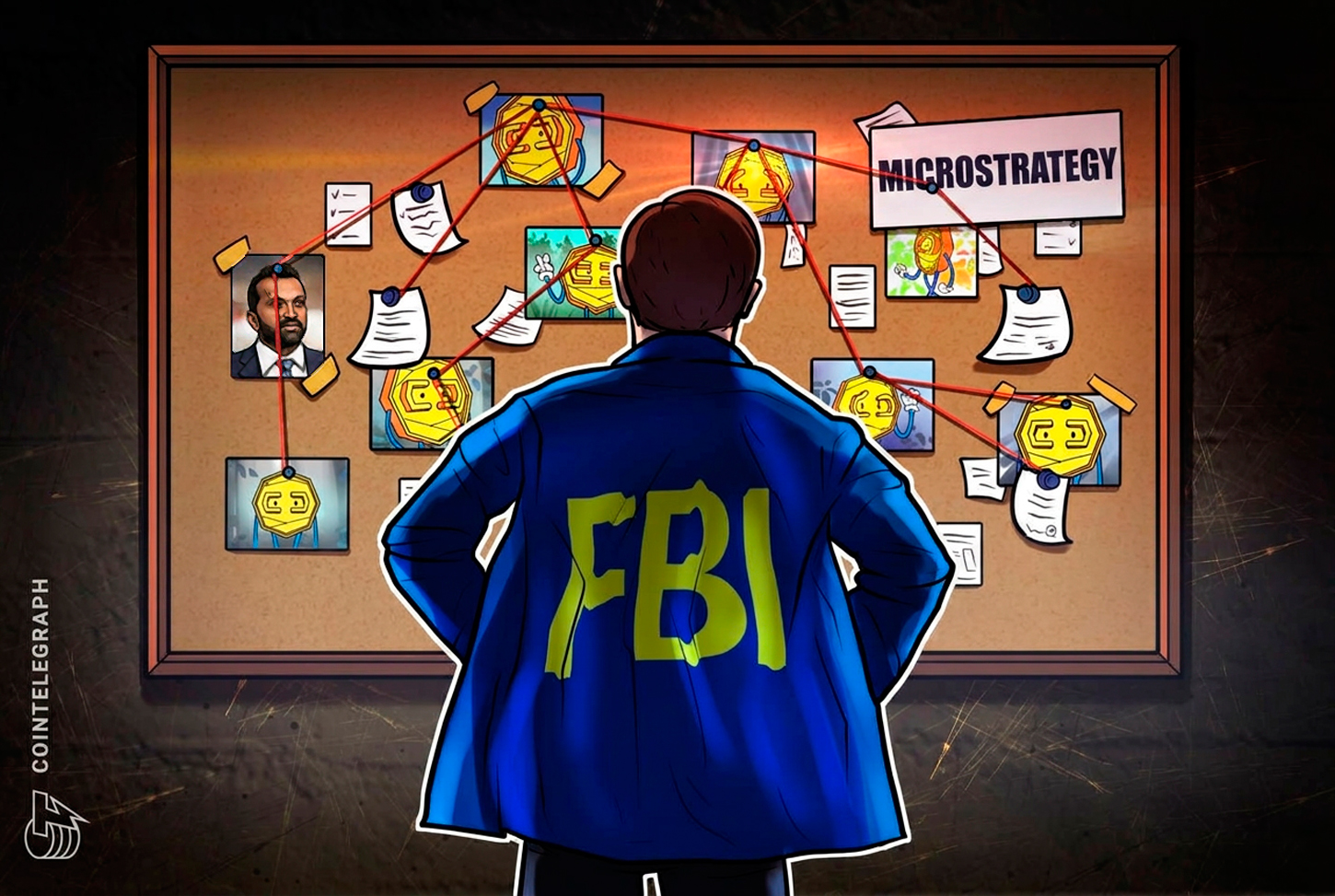
FBI Director Kash Patel disclosed his holdings in Strategy, a US government contractor, months past the required deadline, according to recent reporting. Patel reported between $100,001 and $250,000 in Strategy stock in a late disclosure filing.
Federal officials must file financial disclosures within 30 days of appointment. Patel's timing violation raises questions about conflict-of-interest protocols at the bureau's leadership level. He claimed that "no current conflict exists" with his Strategy holdings, suggesting the delayed disclosure carries no material risk to his duties.
Strategy's status as a registered government contractor adds complexity to the situation. The company's business scope and any contracts with federal agencies remain unclear from available reporting. If Strategy maintains active government relationships, Patel's stake could theoretically influence bureau decisions on matters affecting the contractor.
The disclosure failure highlights enforcement gaps in federal ethics rules. Senior officials face minimal consequences for late filings, and the FBI itself lacks external oversight mechanisms that would police its director's compliance with financial transparency standards. Congressional watchdogs occasionally review such filings, but routine enforcement remains sporadic.
Patel's assurance of no conflict carries limited weight without independent verification. Government contractors frequently lobby for favorable regulatory treatment and contract awards. An FBI director holding significant equity in such a firm creates at least an appearance problem, regardless of his stated intent.
The incident underscores broader transparency issues within federal law enforcement leadership. The FBI operates with substantial autonomy in crypto-related investigations and enforcement actions. Directors with undisclosed financial interests in companies touching government contracts operate with insufficient accountability.
Patel took office recently, placing this disclosure months into his tenure. The delay suggests either administrative oversight or deliberate postponement. Either way, the pattern signals weak enforcement of ethics requirements at the highest levels of the bureau. Crypto industry observers should monitor whether Strategy maintains any digital asset or blockchain-related contracts that