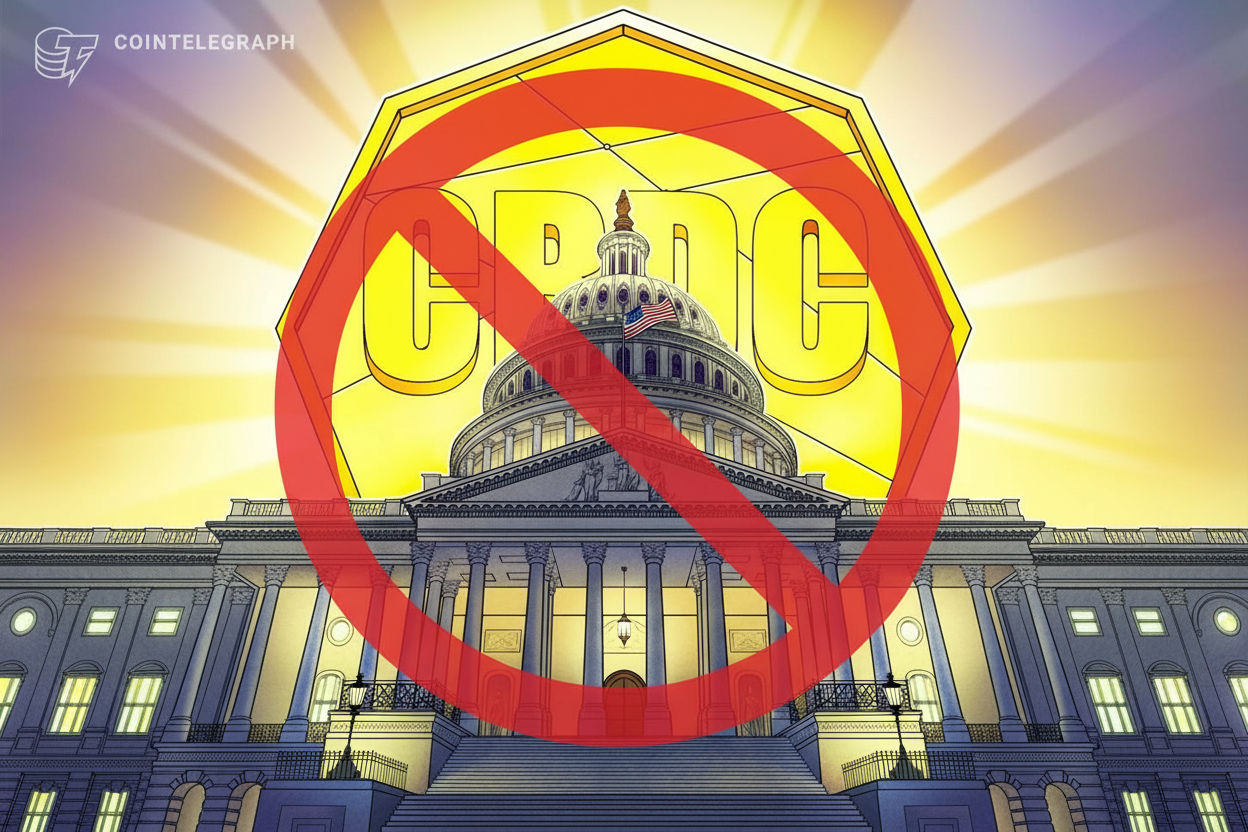
Donald Trump declined to sign the 21st Century ROAD to Housing Act, allowing the legislation to become law without his signature this Saturday. The bill includes a comprehensive ban on US central bank digital currency (CBDC) development through 2030.
The president's refusal to sign amounts to a pocket veto avoidance. Under the Constitution, legislation becomes law after ten days if the president neither signs nor vetoes it while Congress remains in session. Trump announced his position on social media, effectively guaranteeing the CBDC restrictions move forward.
The ban blocks the Federal Reserve from creating a digital dollar for domestic transactions during the decade-long window. It represents the strongest congressional pushback yet against Fed exploration of CBDC infrastructure. The restriction applies specifically to direct retail access, though it leaves room for wholesale CBDC systems between financial institutions.
This outcome reflects intensifying crypto-aligned political pressure in Congress. Republican lawmakers have positioned CBDC resistance as a financial privacy issue, arguing government-controlled digital currency threatens personal freedom and surveillance. The restriction gained bipartisan traction, with both conservative and progressive voices expressing concerns about centralized monetary control.
The housing bill itself addresses broader real estate policy, but the CBDC provision transformed it into a vehicle for anti-CBDC sentiment. Fed officials have maintained that any US CBDC remains years away from deployment and would require Congressional approval regardless. Chair Jerome Powell previously testified that the Fed would not deploy a CBDC without explicit legislative authorization.
The ban does not eliminate ongoing research. The Fed can continue studying CBDC design and functionality through its experimental networks and partnerships with academia. Other countries including China, the EU, and Japan continue advancing their own digital currency projects.
This legislative action signals that any future US CBDC faces substantial political headwinds. Market participants see the 2030 timeline as a potential reset point. If the provision expires without renewal,