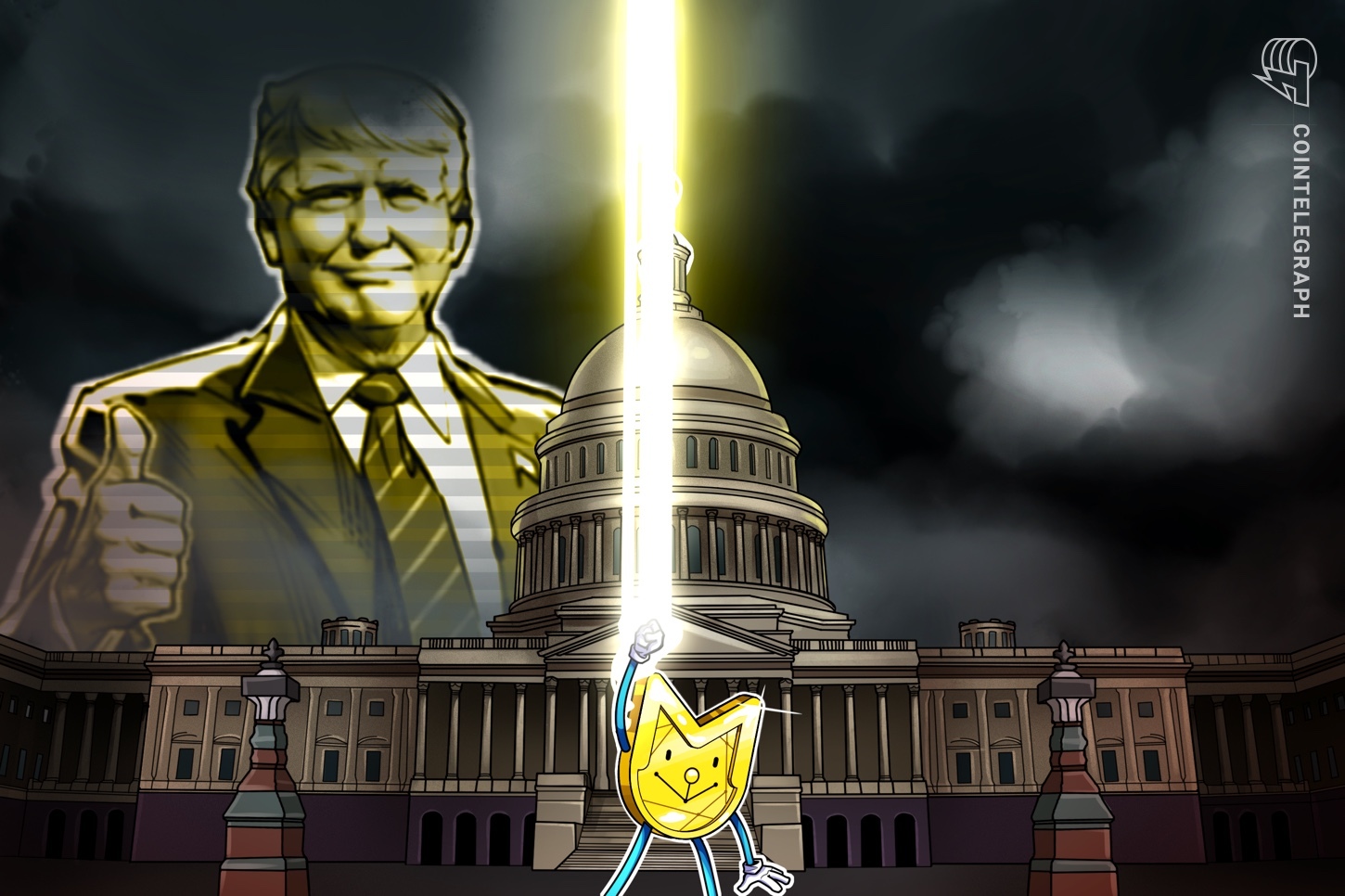
Donald Trump invoked the recent death of Senator Lindsey Graham to pressure Republicans into backing a cryptocurrency regulatory bill. Graham's passing, combined with another senator's hospitalization, has shifted the Senate balance to 51-47 in Republicans' favor, a razor-thin margin that complicates passage of crypto market structure legislation.
The math forces Republicans to seek Democratic votes on any bill they want to pass. This dynamic creates leverage for both parties in negotiations over how crypto assets should be regulated. Trump's invocation of Graham's death appears designed to consolidate Republican support around a unified crypto stance, preventing defections that could derail the measure.
The timing reflects broader Republican momentum on crypto policy. Trump has positioned himself as pro-crypto during his political comeback, while portions of the GOP have warmed to blockchain technology and digital asset regulation. However, Democrats hold significant negotiating power given the Senate composition, meaning any final bill will likely include provisions that satisfy both parties.
The specific crypto bill being pushed isn't detailed in available reports, but recent legislative pushes have focused on establishing clear regulatory frameworks for stablecoins, exchange-traded products, and custody arrangements. Republicans generally favor lighter-touch regulation that allows innovation, while Democrats tend to emphasize consumer protection and anti-money-laundering safeguards.
Graham's death represents a genuine complication for Republican legislative priorities across all fronts. Each absent senator reduces the threshold needed to block legislation through filibuster or amendment procedures. The hospitalized senator's status remains unclear, adding uncertainty to future floor votes.
Trump's invocation of Graham demonstrates how political leverage shifts in tight chambers. With narrow margins, symbolic appeals and pressure tactics become standard negotiating tools. The crypto bill's passage now depends on how many Democrats support the Republican framework and whether bipartisan consensus emerges around digital asset regulation. The Senate arithmetic makes this far from guaranteed.