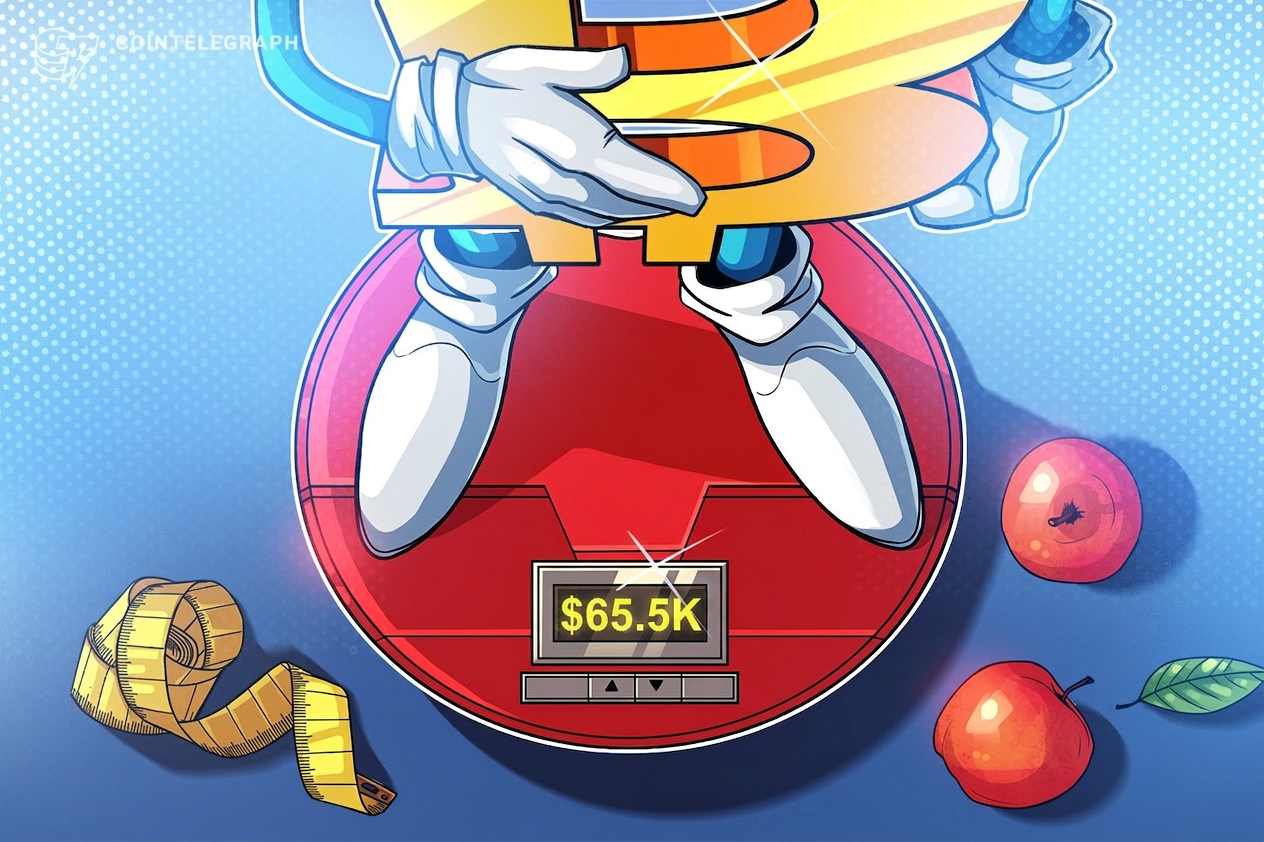
Bitcoin jumped to $65,500, marking its highest price in three weeks, after US Producer Price Index inflation data came in lower than expected. The move extends a rally fueled by softening macro conditions.
The PPI print represents the second major inflation surprise this week. Earlier data showed Consumer Price Index readings below forecasts, signaling cooling price pressures in the US economy. Markets interpreted both prints as potential signals the Federal Reserve may moderate its rate hiking stance, reducing headwinds for risk assets like crypto.
The timing matters. Bitcoin had been range-bound recently, struggling to break above the $63,000-$64,000 zone. The inflation data catalyzed buying pressure strong enough to push the asset through resistance and toward the $66,000 level. The move also marked BTC's strongest weekly performance in recent sessions, with traders rotating into risk assets on the assumption of softer monetary policy ahead.
Macro-sensitive traders view Bitcoin as a proxy bet on Fed policy shifts. Lower inflation data increases odds of rate cuts or a pause in future increases, both bullish for assets that benefit from loose monetary conditions. The cumulative effect of two consecutive inflation surprises in the same week amplified conviction among buyers.
On-chain metrics supported the move. Exchange outflows accelerated, suggesting holders moved coins into self-custody rather than selling. This behavioral shift typically precedes or accompanies price rallies as retail and institutional players position for further upside.
The $65,500 level now serves as a near-term support test. If BTC holds above it, the next resistance arrives around $67,000-$68,000, territory not visited since late June. Failure to sustain above $65,500 could trigger another retest of $63,000 if macro conditions reverse.
Ethereum and altcoins followed Bitcoin higher on the same inflation narrative, though with smaller percentage gains