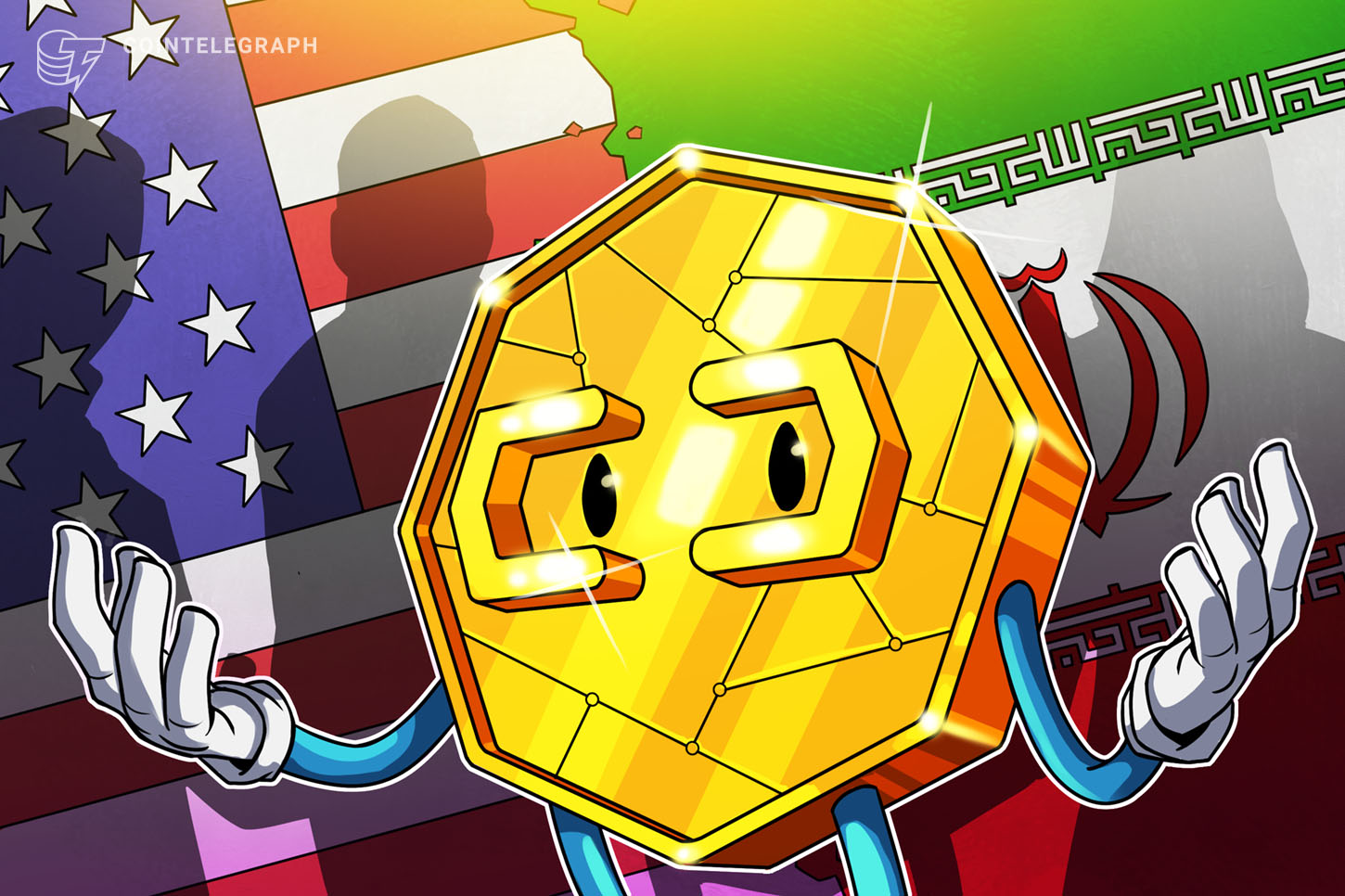
Bitcoin shrugged off geopolitical tensions from US-Iran escalation, holding firm while the broader market displayed resilience. BTC price action remained stable despite typical risk-off conditions that usually trigger crypto selloffs during international crises.
The strength comes as analysts flag a potential short squeeze brewing in the S&P 500. When short positions unwind rapidly, forced buying pressure can drive prices higher across correlated assets, potentially lifting Bitcoin alongside equities. This dynamic suggests crypto may outperform traditional markets if the squeeze materializes.
Bitcoin's resistance to Iran jitters marks a departure from its historical pattern of declining during geopolitical shocks. The asset has typically sold off when tensions spike, as traders rotate into safe havens like US Treasuries and the dollar. This time, institutional ownership and Bitcoin's expanding role as a non-correlated asset may be insulating it from the worst dislocation.
The stability reflects changing market structure. Retail panic selling no longer dominates price action the way it did during previous crises. Instead, derivatives traders and macro funds appear to be positioning for volatility rather than capitulating immediately.
Analysts watching the S&P 500 short squeeze see potential for risk-on momentum to extend into crypto. If equities rally hard on short-covering, Bitcoin could ride the coattails as risk appetite returns. The correlation between BTC and tech-heavy indices has strengthened over recent quarters, making equities a leading indicator for crypto direction.
The key variable remains how deep US-Iran tensions escalate. A military strike or cyberattack could still trigger flight-to-safety trades that pressure Bitcoin lower. For now, markets are pricing in contained escalation rather than systemic crisis.
Bitcoin bulls point to the asset's ability to benefit from both geopolitical uncertainty and equity market rallies, a rare dual-upside scenario. If the short squeeze drives equ