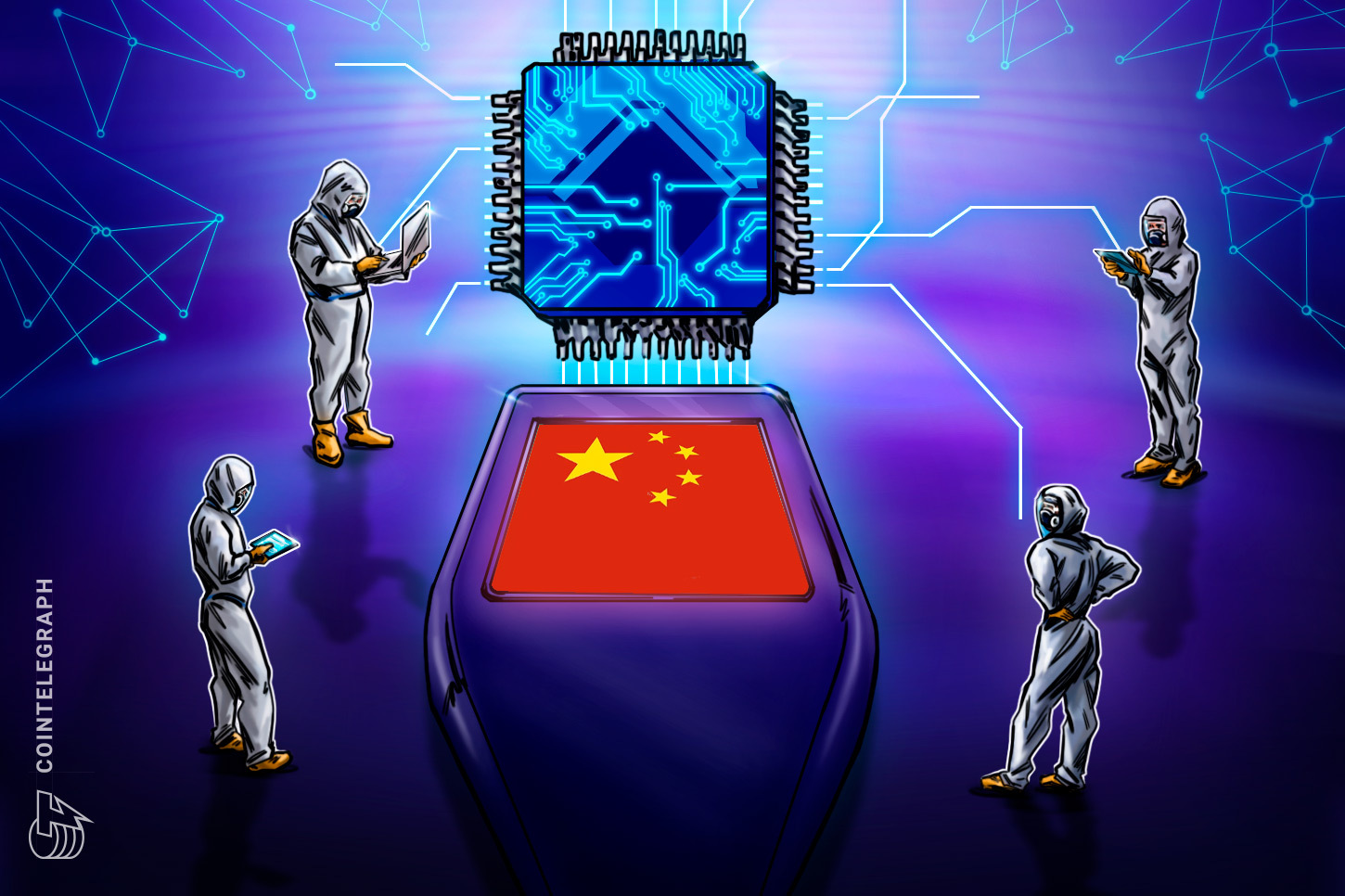
The White House has leveled accusations at Moonshot AI, a Chinese artificial intelligence company, for illegally distilling proprietary technology from Anthropic to develop its K3 model. US officials characterize the activity as covert, industrial-scale technology theft targeting a leading American AI developer.
The allegation centers on a practice called model distillation, where researchers extract knowledge from a larger, more advanced AI system to train a smaller, faster model. Moonshot AI allegedly reverse-engineered Anthropic's work through this method without authorization, creating a competitive advantage while circumventing legitimate development costs and timelines.
US officials warn that Chinese firms engaged in such covert operations face concrete consequences. Potential penalties include targeted sanctions and export restrictions that could cripple access to critical semiconductors and software tools needed for AI development. The threat reflects Washington's hardening stance on protecting American AI intellectual property from foreign competitors, particularly China.
The incident highlights escalating tensions between the US and China over AI dominance. American regulators view model distillation as a sophisticated form of industrial espionage when conducted without consent. Anthropic, a major player in frontier AI safety and alignment research, invested years developing Claude, which reportedly became the basis for Moonshot's derivative work.
This case lands amid broader US efforts to restrict China's access to advanced AI capabilities. The Biden administration has already implemented chip export controls and tightened rules around US investment in Chinese tech firms. Adding AI model theft to that enforcement agenda signals a more aggressive posture toward protecting the American AI advantage.
Moonshot AI has not publicly responded to the accusations. The company operates in a Chinese regulatory environment where Western intellectual property protections carry limited weight, complicating enforcement options for US authorities. Nevertheless, the White House's public naming and warning suggests Washington intends to make the costs of AI theft visible to other potential bad actors, whether in Beijing or