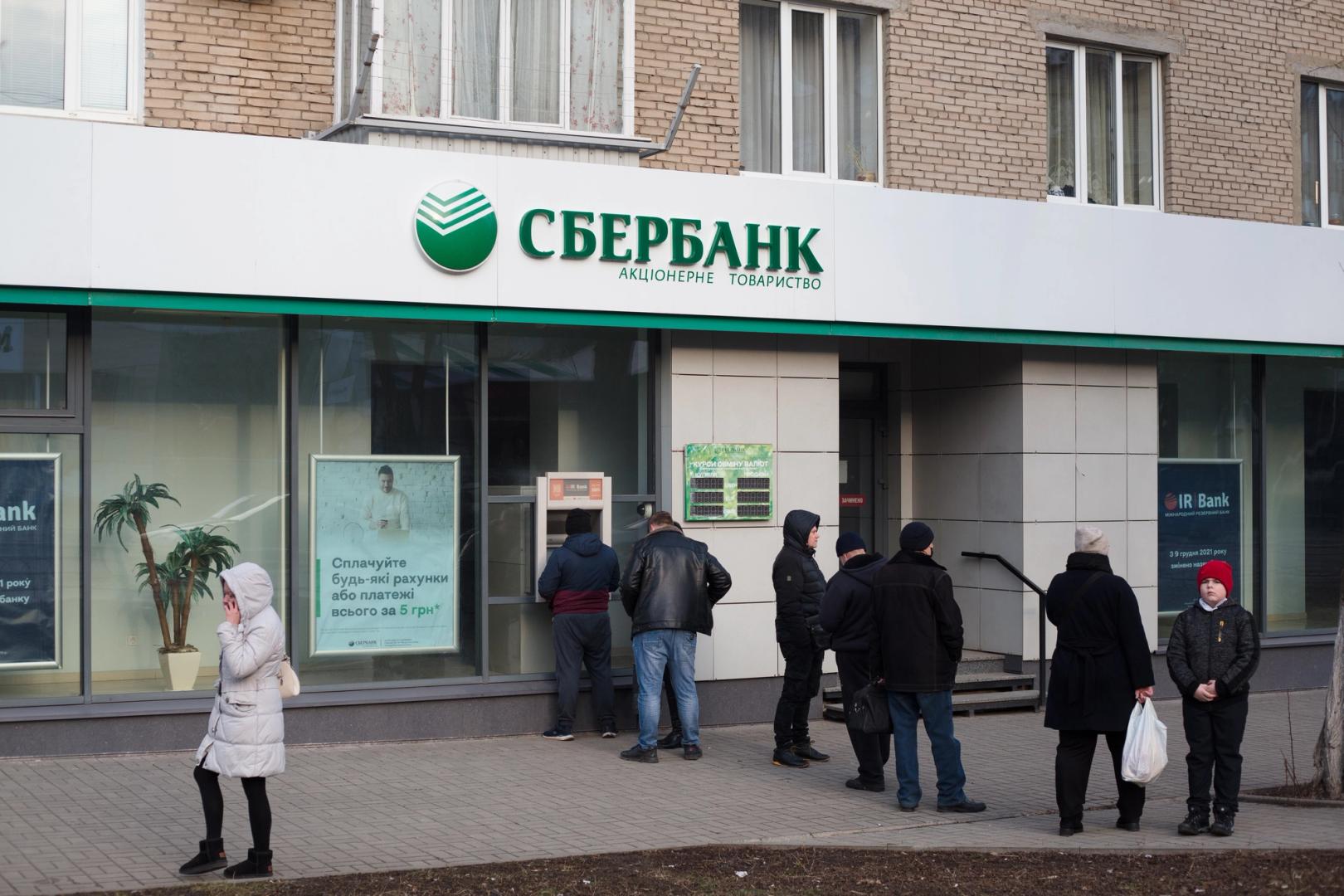
Sberbank, Russia's largest financial institution, is positioning itself to launch crypto trading infrastructure by December, capitalizing on the country's newly formalized digital asset framework. The bank's move comes as Russia implements comprehensive crypto regulations effective September 1, establishing licensing requirements for intermediaries handling trading, custody, and settlement operations.
The regulatory timeline creates two distinct phases. Initial rules take effect immediately in September, allowing the framework to establish baseline standards. Licensed intermediary requirements kick in July 2027, giving institutions nearly two years to build compliant infrastructure.
Sberbank's December deadline suggests aggressive execution. The bank plans to operate trading venues, custody solutions, and settlement systems all under one regulatory umbrella. This vertical integration positions Sberbank as the primary gateway for institutional and retail crypto activity in Russia.
The regulatory shift represents a significant departure from Russia's previous stance toward digital assets. Rather than restricting crypto, the Kremlin now channels it through licensed intermediaries, creating a revenue stream and financial stability oversight. Banks must segregate customer assets, implement anti-money laundering protocols, and maintain capital reserves specific to crypto operations.
Sberbank's infrastructure rollout matters because Russia's banking sector has been increasingly isolated from Western financial systems since 2022. Domestic crypto rails reduce reliance on international payment networks and provide an alternative mechanism for both domestic commerce and cross-border settlement with non-sanctioned nations.
The regulatory framework also serves a secondary purpose: capturing transaction fees and data. Every trade, transfer, and custody interaction flows through licensed intermediaries, generating compliance records and revenue for participating banks. Sberbank's early-mover advantage could establish it as the de facto monopoly for Russian crypto infrastructure.
Competition remains limited. Few Russian banks have the capital, technical expertise, and regulatory relationships to build compliant crypto infrastructure by July 2027. Sberbank's December target places it ahead of competitors