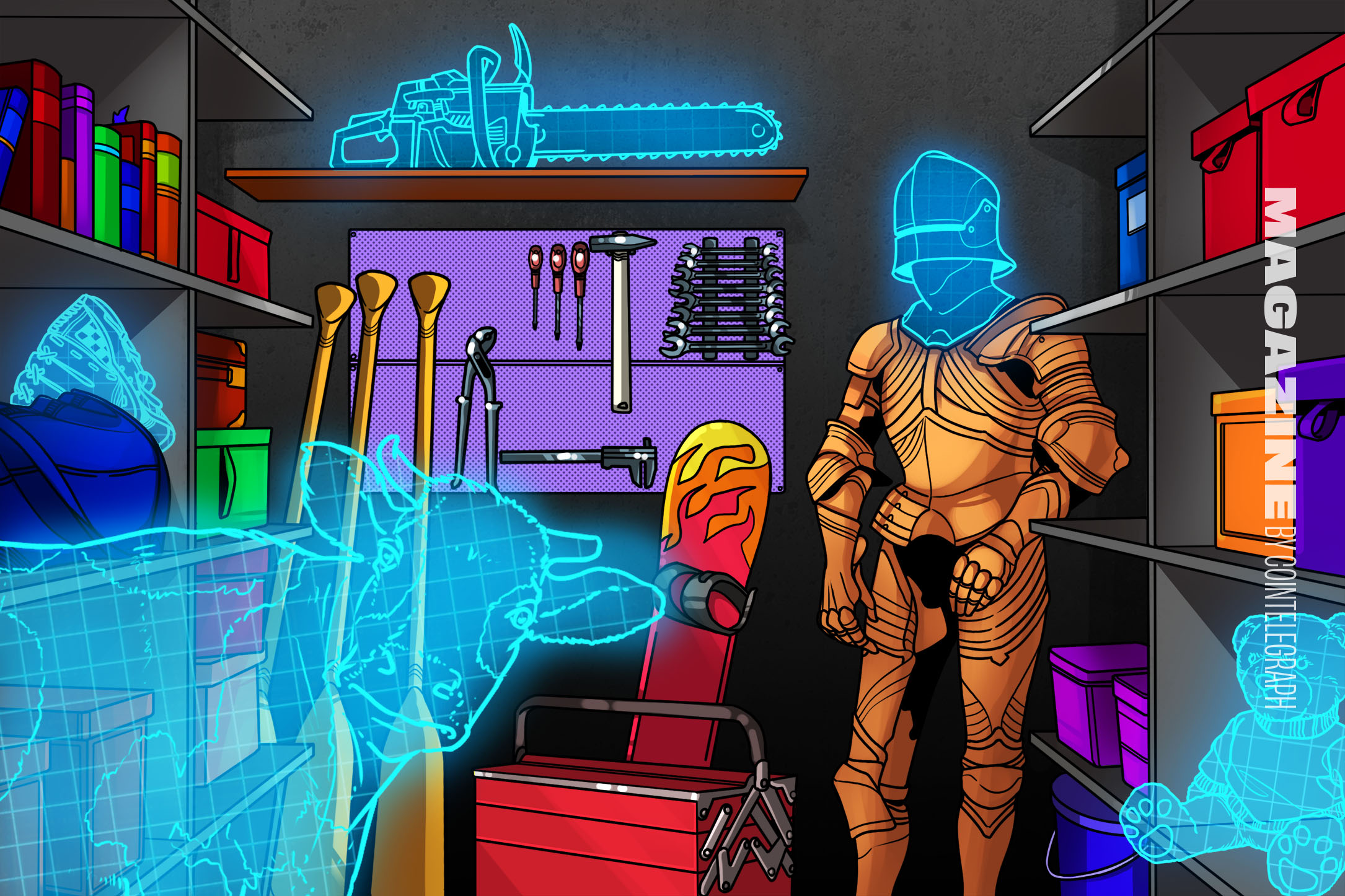
The blockchain's appetite for tokenization has expanded far beyond financial assets into absurdist territory. Projects have successfully minted NFTs representing everything from livestock to bodily functions, revealing both the technology's flexibility and its capacity for novelty.
Tokenized cows emerged as a viral sensation, but this represents just one entry in a lengthening catalog of unconventional assets. Farts have been tokenized. Human skin samples exist onchain. Destroyed artworks live as digital tokens, preserving records of obliterated physical pieces.
These projects operate on different mechanics. Some tokenize actual ownership stakes in real assets. Others create pure digital representations with tenuous links to physical counterparts. A few exist purely as speculative experiments or art statements about tokenization itself.
The trend reflects blockchain's core proposition: anything with perceived value can become tradeable and immutable onchain. This democratizes asset creation but also enables frivolous, often humorous projects that test the boundaries of what "asset" actually means.
From a market perspective, these experiments serve a purpose. They stress-test tokenization infrastructure, explore new use cases, and generate attention that drives adoption. They also serve as cultural commentary on financialization and the crypto community's sometimes irreverent relationship with technology.
The weirdness factor matters. Viral tokenization projects like fart NFTs generate social media engagement and onchain activity. They introduce new users to blockchain mechanics through entertainment rather than finance or utility. This lowers barriers to onchain participation.
However, these projects also highlight tokenization's limitations. Many lack genuine utility. Ownership of a tokenized fart or destroyed artwork exists purely because the blockchain permits it, not because it solves a real problem or creates tangible value. This feeds skepticism about blockchain's practical applications beyond speculation.
The phenomenon also attracts regulatory scrutiny. If anything can be tokenized and sold, what stops