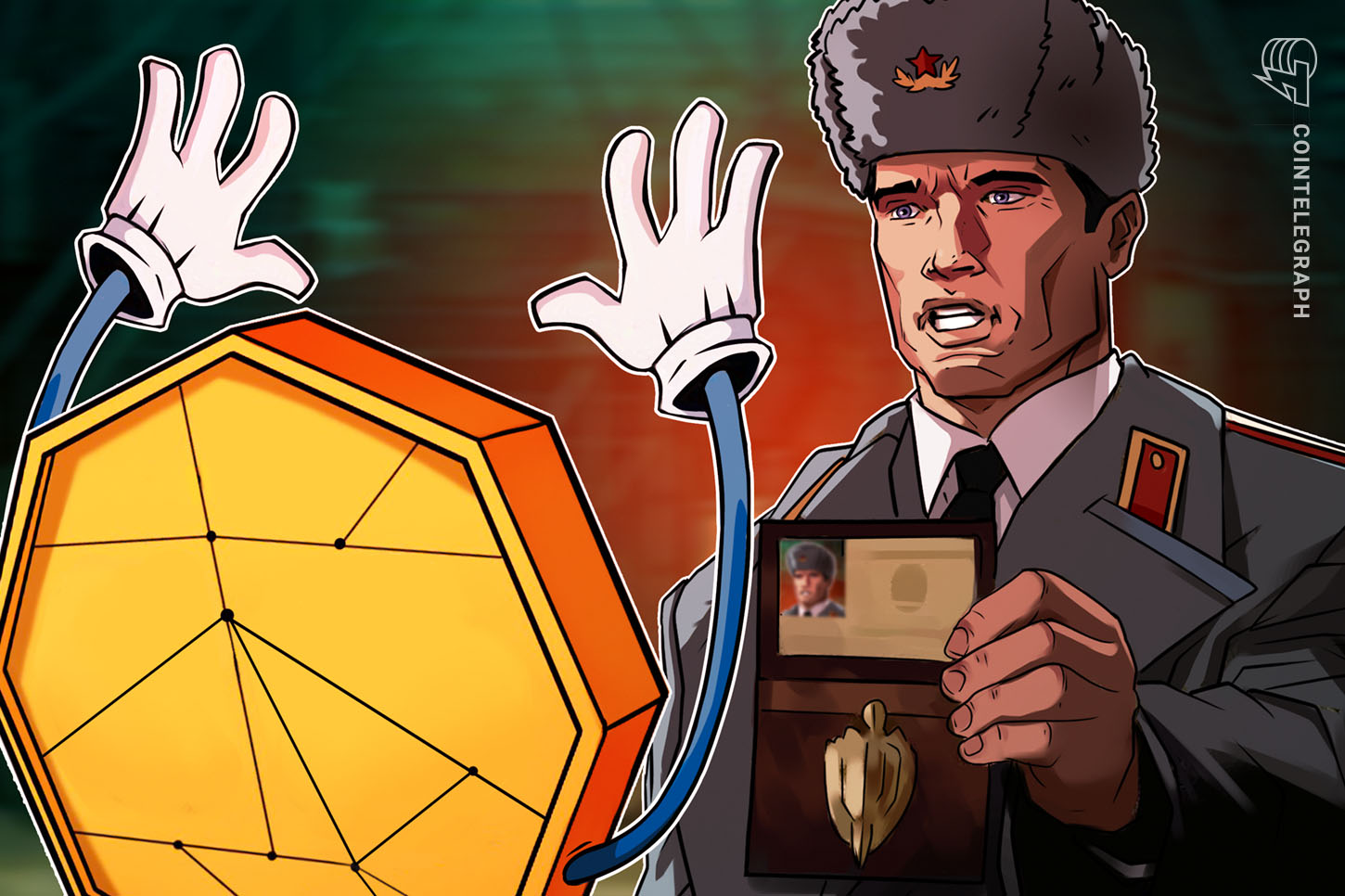
Russia's Federal Security Service shut down nine unregistered cryptocurrency exchanges operating in Moscow City, claiming they facilitated money laundering tied to scam operations. The FSB alleges the exchanges worked in coordination with Ukrainian call centers to move fraudulent proceeds across borders.
The crackdown targets what authorities describe as a sophisticated network moving illicit funds. Rather than operating independently, these exchanges allegedly formed part of a larger scheme routing scam money internationally. The Ukrainian connection suggests cross-border coordination typical of organized financial crime networks.
This action reflects Russia's intensifying enforcement posture on crypto infrastructure. The country has moved toward stricter registration requirements for digital asset platforms. Operating unregistered exchanges now draws serious federal attention, particularly when authorities tie operations to fraud and money laundering.
The seizure highlights a persistent vulnerability in crypto markets. Exchanges lacking regulatory oversight can process high volumes of suspicious activity without triggering compliance checks. The scam-to-exchange pipeline creates a direct path for criminal proceeds to convert into other assets or exit jurisdictions. Ukrainian call center involvement suggests the scheme specifically targeted Russian victims through social engineering fraud.
Russia's regulatory framework increasingly demands that crypto platforms register and comply with anti-money laundering rules. Unregistered operators face criminal investigation rather than simple administrative penalties. This enforcement escalation signals that authorities view unregulated exchanges as primary money laundering vehicles for major fraud networks.
The FSB hasn't disclosed the exact volumes these nine exchanges processed or how many victims fell victim to the associated scams. However, the coordinated takedown suggests substantial illicit flows moved through these platforms. Shutting down registered operating points in Moscow disrupts the network's immediate operations, though international scam infrastructure often maintains redundancy through foreign-based exchanges.
This case underscores why registration matters in crypto markets. Regulated platforms implement know-your-customer protocols and transaction monitoring that detect unusual patterns. Unregistered venues strip away