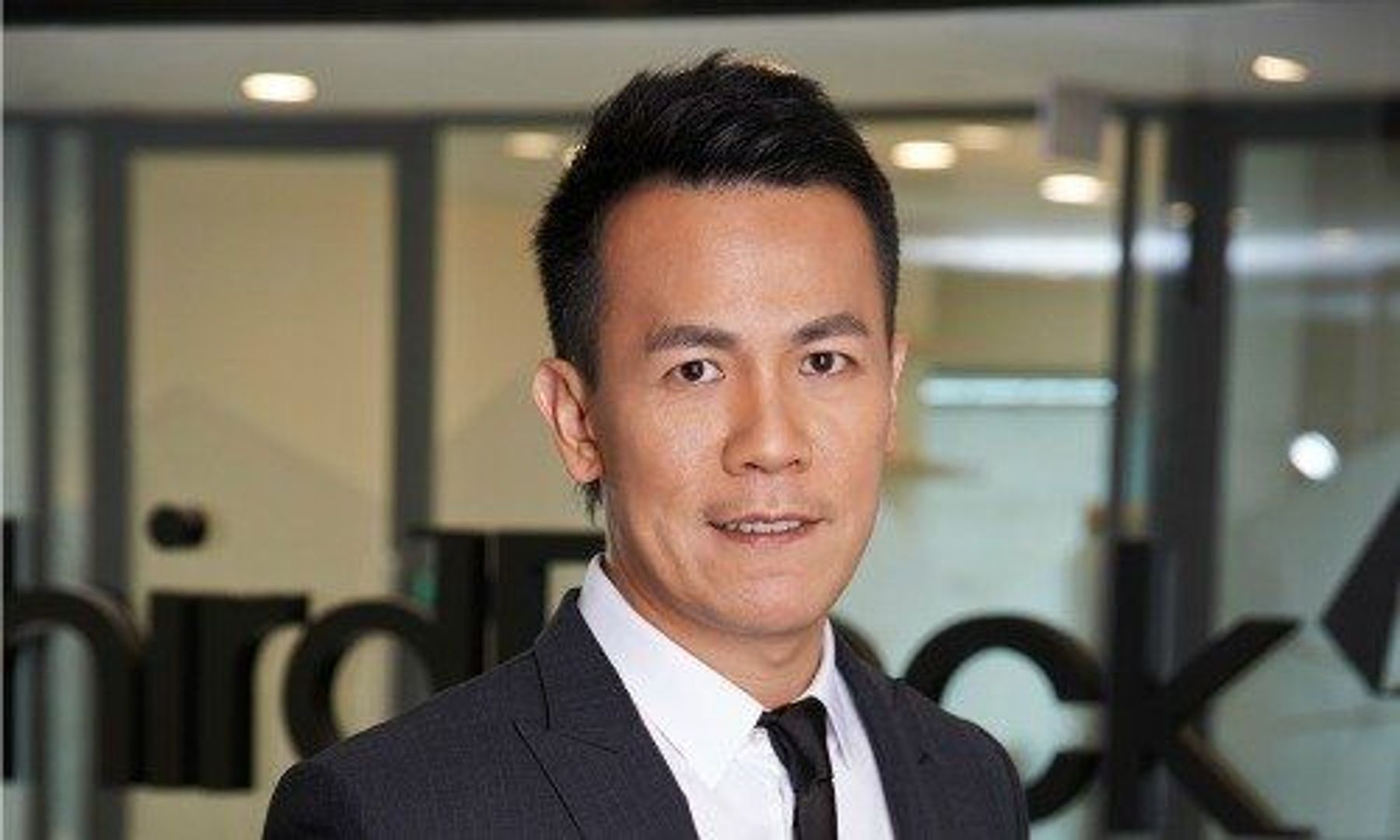
B2C2, the institutional crypto market maker and liquidity provider, hired Adrian Ng as managing director for Asia to capture expanding digital asset demand from high-net-worth individuals and institutional investors. Ng previously chaired Schroders Wealth Management Asia, one of Europe's largest wealth managers with deep roots in servicing ultra-high-net-worth families across the region.
The hire signals B2C2's commitment to capture Asia's nascent but rapidly expanding institutional crypto market. Family offices and large asset managers across Singapore, Hong Kong, and mainland China increasingly allocate capital to digital assets, yet face friction sourcing reliable liquidity and execution venues. B2C2 positions itself as the counterparty to that demand, providing tight spreads and deep order flow for institutional clients who need to move large positions without slippage.
Ng brings two decades of institutional wealth management experience to the role. His background at Schroders positions him to understand the compliance architecture, risk frameworks, and client relationship dynamics that govern how family offices deploy capital. This matters because institutional crypto adoption remains bottlenecked by custody concerns, regulatory clarity, and the perception that crypto markets lack the execution quality of traditional markets. Ng's rolodex likely includes dozens of ultra-high-net-worth families and allocators who trust his judgment.
B2C2 operates as a market maker on major spot and derivatives exchanges, providing liquidity across Bitcoin, Ethereum, and altcoins. The firm generates revenue from the spread between bid and ask prices, earning a cut on every transaction it facilitates. For institutional clients, B2C2 offers over-the-counter trading desks that execute large orders directly, bypassing public orderbooks entirely. This matters for institutions moving multi-million-dollar positions that would otherwise tank prices on exchange.
Asia represents the fastest-growing crypto market outside the United States. Singapore has emerged as a regional crypto hub with robust MAS (Monetary Authority of Singapore) oversight. Hong Kong recently opened the door to retail spot Bitcoin and Ethereum ETFs while maintaining strict licensing requirements for crypto trading venues. China's institutional investors, though technically restricted from direct crypto ownership, increasingly access markets through Singapore-based entities and offshore vehicles.
The wealth management shift toward crypto reflects generational transition in Asia. Older-generation family office principals accumulated wealth through manufacturing, real estate, and traditional finance. Their successors view crypto as a non-correlated asset class offering hedges against currency debasement and exposure to technology infrastructure. Family offices typically allocate 5 to 15 percent of portfolios to alternative assets. Crypto has moved from fringe to table stakes at this allocation level.
B2C2 competes with Galaxy Trading, Wintermute, and other crypto market makers for institutional flow. However, Ng's hire targets a specific segment. His prior role gives him credibility with compliance officers, CFOs, and boards that oversee family office operations. These gatekeepers increasingly ask tough questions about crypto counterparties, custody solutions, and regulatory standing. An executive from a blue-chip wealth manager carries weight in those conversations.
The timing aligns with Asia's crypto regulatory maturation. Singapore's Payment Services Act and Hong Kong's recent frameworks have created licensing pathways for institutional crypto services. This reduces regulatory arbitrage and pushes service providers to hire executives with established compliance pedigrees. Ng's dual background in both traditional wealth management and now crypto liquidity provision exemplifies this convergence.