# Crypto's Week: Legislative Lifelines, Wall Street Momentum, and Bitcoin's Security Shuffle
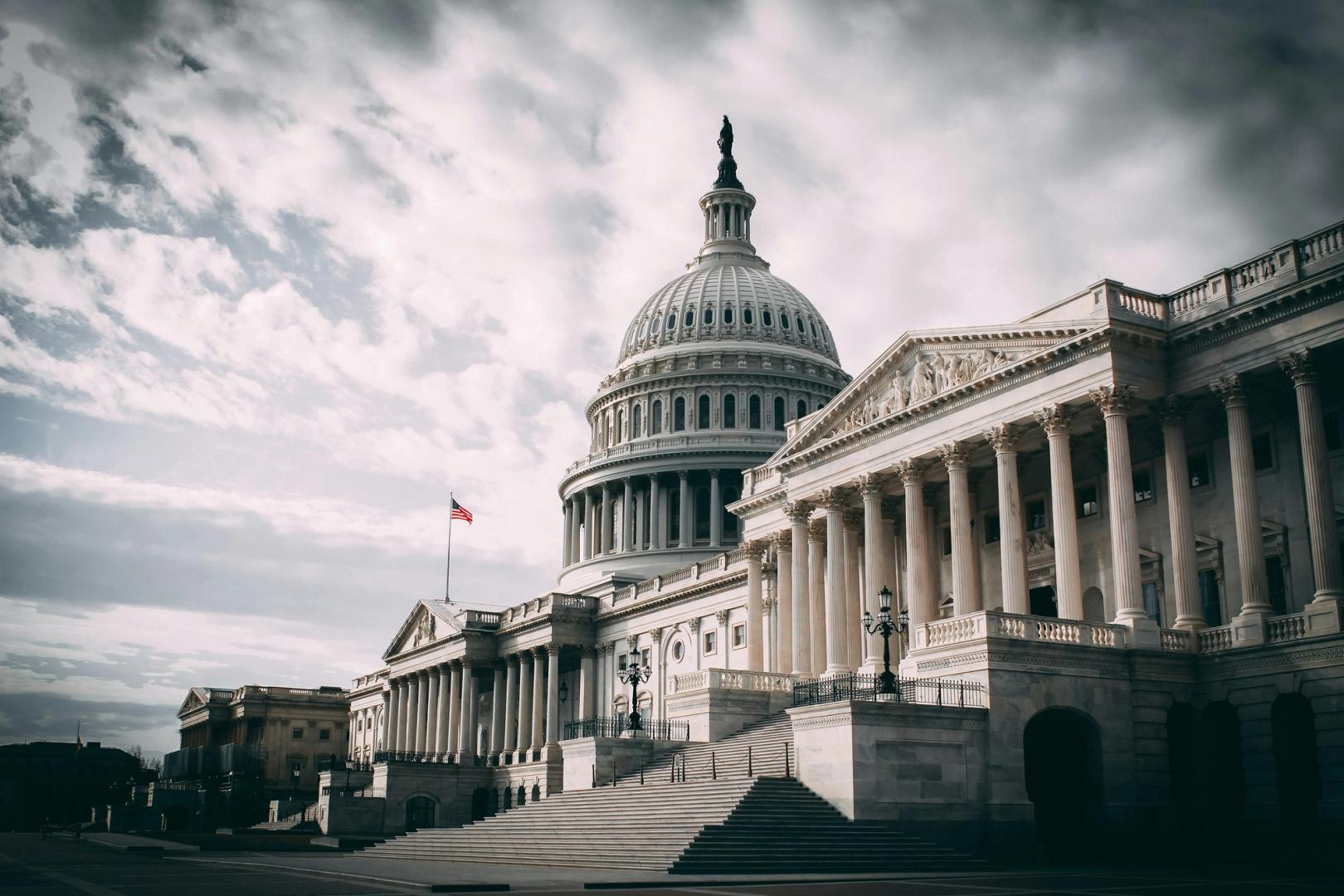
Washington delivered a narrow reprieve for pro-crypto legislation this week, keeping the industry's most ambitious regulatory framework from derailing entirely. The Clarity Act, which seeks to establish clear jurisdiction between the CFTC and SEC for digital asset oversight, survived a procedural vote despite fierce opposition from traditional finance lobbies. The bill remains far from guaranteed passage, but its survival signals that crypto advocates maintain just enough political capital to keep reform conversations alive heading into the next legislative session.
Simultaneously, Wall Street continued its methodical expansion into digital assets with renewed vigor. Major financial institutions stepped up institutional product offerings and infrastructure investments. This dual pressure, regulatory clarity on one front and capital inflows on another, creates a backdrop where crypto's transition from fringe to mainstream accelerates regardless of legislative outcome. The institutions moving into this space care less about philosophical ideals and more about where returns concentrate.
The week's second major narrative centered on Mastercard's $1.8 billion acquisition strategy in the digital assets space. This deal, while public facing, obscures deeper consolidation trends happening quietly in payments and settlement infrastructure. Mastercard's move signals that legacy payment systems view crypto and blockchain not as existential threats but as acquisition targets and integration vectors. The company positions itself to absorb blockchain-native payment rails rather than compete against them directly.
Bitcoin volatility spiked as billions in BTC moved between wallets following unconfirmed reports of a potential security vulnerability in certain hardware wallets. This event, though ultimately overblown, triggered the kind of sudden flows that remind markets of crypto's persistent custody anxieties. Major holders executed defensive repositioning, moving coins to cold storage and custodial services with redundant security protocols. The incident cost nothing in actual losses but extracted real fear premiums from traders.
Strategy Capital's fund shutdown punctuated the week's theme: not all capital flowing into crypto survives contact with actual markets. The firm's closure followed underperformance that reflected both market headwinds and internal execution failures. This matters because it separates the narrative of "Wall Street money pouring in" from the reality that not every institution succeeds at crypto investing. Winners concentrate; losers exit. The separation accelerates over time.
These five threads weave together into a single picture. Crypto markets no longer operate in regulatory vacuum. Legislative clarity, even when incomplete, changes how institutions calibrate risk. Mastercard's deal and similar moves by legacy finance firms represent capital reallocation, not new capital generation. Bitcoin's wallet movements and security scares still trigger real reactions because custody remains the industry's unresolved problem. And Strategy Capital's departure reminds that execution quality matters more than capital size.
The week's cumulative message: crypto infrastructure and adoption accelerate while volatility persists. Washington's political calculus has shifted enough that prohibition fails as policy option. Wall Street treats crypto as essential infrastructure to build into rather than around. The remaining variables involve execution speed, regulatory timing, and which firms survive the transition.