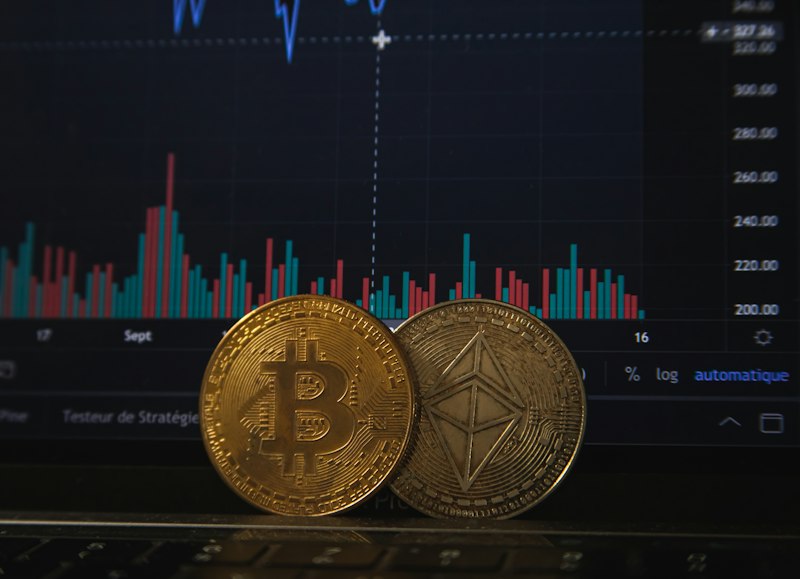
The crypto industry has spent the last eighteen months obsessed with speed. Move fast, break things, capture market share before competitors do. This mentality has driven innovation in countless corners of the ecosystem, and it's produced real wins. But when it comes to NFTs specifically, I'd argue we've gotten the formula backwards. The unpopular take is that restraint, not speed, may be the smarter strategy here.
Consider the current landscape. Projects are racing to build utility, chase institutional adoption, and integrate with traditional finance. Marketplaces are competing on feature velocity. Creators are launching collections at a pace that would've been unthinkable five years ago. There's an implicit belief that whichever platform, creator, or protocol moves fastest will win the lion's share of mindshare and liquidity.
But what if speed in this particular market is actually a liability?
The NFT sector has spent the past three years recovering from a perception crisis. The 2022 collapse wiped out billions in speculative value and left countless retail participants with sour feelings about the entire category. We're still dealing with the reputation damage from that period. Phishing scams remain rampant. Rug pulls still happen. The average person on the street still associates NFTs primarily with either scams or monkey JPEGs.
In this context, the pressure to move fast feels backwards. What the market actually needs is deliberate rebuilding. That means projects choosing depth over breadth. It means creators focusing on long-term community rather than rapid launch schedules. It means platforms investing heavily in security and user education before adding the next feature.
Look at what happens when projects prioritize speed. They're forced to make compromises. Security gets stretched thin. User experience takes shortcuts. Communities don't have time to develop genuine engagement because everyone's already looking at what's launching next. The result is a market that feels exhausting to participants and remains fundamentally brittle.
The alternative approach doesn't sound sexy. It's not a narrative that drives venture funding or generates hype cycles. But it's what actually builds lasting value. Consider how some of the most respected creators in this space operate. They ship slowly. They communicate constantly with their communities. They iterate based on feedback rather than trying to predict six months ahead. Their projects don't always capture the largest initial trading volumes, but they build participants who stick around.
This isn't an argument against innovation or feature development. It's an argument for intentional pacing. For choosing projects that make you want to stay involved for years, not ones that promise riches within months. For platforms that would rather lose a few early adopters than compromise on safety.
The irony is that restraint actually accelerates long-term adoption. When someone has a genuinely good experience in an NFT ecosystem, they tell others. When they feel safe and understood, they're more likely to explore further. When projects deliver on promises consistently, trust accumulates. These are the conditions that drive sustained growth, not viral moments.
We're at an inflection point. The NFT market could continue chasing speed and watch reputation remain fragile, or it could collectively decide that 2025 is the year of consolidation. Not consolidation in the M&A sense, but in the sense of deepening what works, strengthening fundamentals, and building communities that want to stick around.
The market will probably continue its fast pace regardless of this column. Projects will keep launching quickly. Features will ship rapidly. But for participants trying to figure out where genuine value might emerge, the answer might be to look away from the noise and toward the builders moving deliberately.