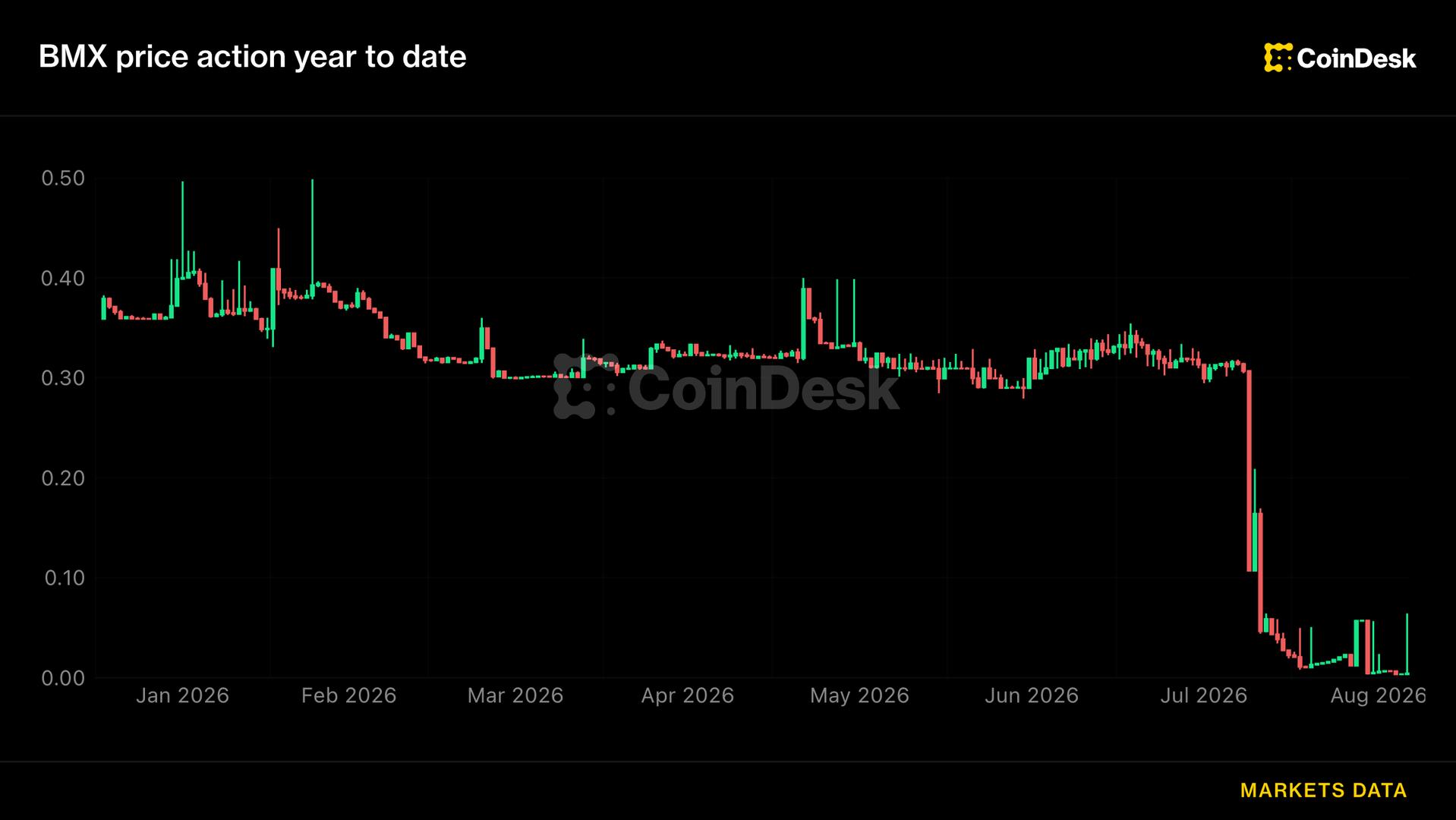
BitMart, once a mid-tier cryptocurrency exchange serving millions of users, pivots toward partial operations and creditor repayment after announcing a shutdown in late August. The exchange retained White & Case, a major international law firm specializing in restructuring and insolvency, signaling a shift from complete wind-down to managed recovery.
The hiring of restructuring counsel represents a material change in trajectory. White & Case will develop a detailed roadmap for BitMart's path forward, with deliverables due by September 9. This timeline suggests executives are working to move beyond the initial shutdown announcement and explore options that preserve value for creditors and potentially restore limited exchange services.
BitMart's troubles trace back to security breaches and operational failures that eroded user confidence. The exchange announced its shutdown plan in late August, citing an inability to continue operations safely. That announcement triggered panic among users with funds locked on the platform, sparking immediate questions about asset recovery and creditor treatment.
The decision to hire White & Case instead of proceeding with immediate liquidation indicates BitMart's leadership believes structured restructuring offers better outcomes than fire-sale asset liquidation. Restructuring counsel will examine which exchange operations could resume in limited form, how remaining assets should be distributed, and what legal claims the exchange might pursue against third parties who caused losses.
Key variables now include the size of BitMart's remaining asset base and the total claims filed by creditors. If the exchange holds sufficient reserves or insurance coverage, partial payouts to users become feasible. If assets run substantially short, the restructuring process will likely prioritize different creditor classes according to legal hierarchy, with platform users potentially ranking below operational creditors or secured lenders depending on jurisdictional rules.
The September 9 deadline for White & Case's roadmap will clarify whether BitMart can resurrect even a skeleton trading operation or whether it faces liquidation regardless. Exchanges that successfully restructure typically operate at reduced capacity initially, serving only key trading pairs and limiting withdrawal volumes to prevent bank runs.
BitMart's situation reflects broader exchange risk in the crypto market. Unlike traditional regulated brokerages operating under Securities and Exchange Commission oversight, crypto exchanges historically faced lighter compliance burdens and often maintained insufficient customer asset protections. The 2022 collapse of FTX, which filed for bankruptcy in November with a $7.8 billion shortfall, established the blueprint for exchange restructuring proceedings that BitMart may now follow.
Creditors and BitMart users should monitor the September 9 roadmap filing closely. That document will reveal whether White & Case identified viable paths to solvency or confirmed that liquidation is inevitable. Settlement negotiations with creditors often begin in parallel with restructuring planning, meaning BitMart could announce specific payout percentages or recovery timelines in the coming weeks.
The exchange's next critical milestone arrives as cryptocurrency markets stabilize following 2023's volatility. A successful BitMart recovery, even partial, would demonstrate that mid-sized exchange failures need not result in total user loss. Failure to restore operations would reinforce the competitive advantage held by well-capitalized platforms like Coinbase and Kraken that weathered market downturns without operational breakdowns.