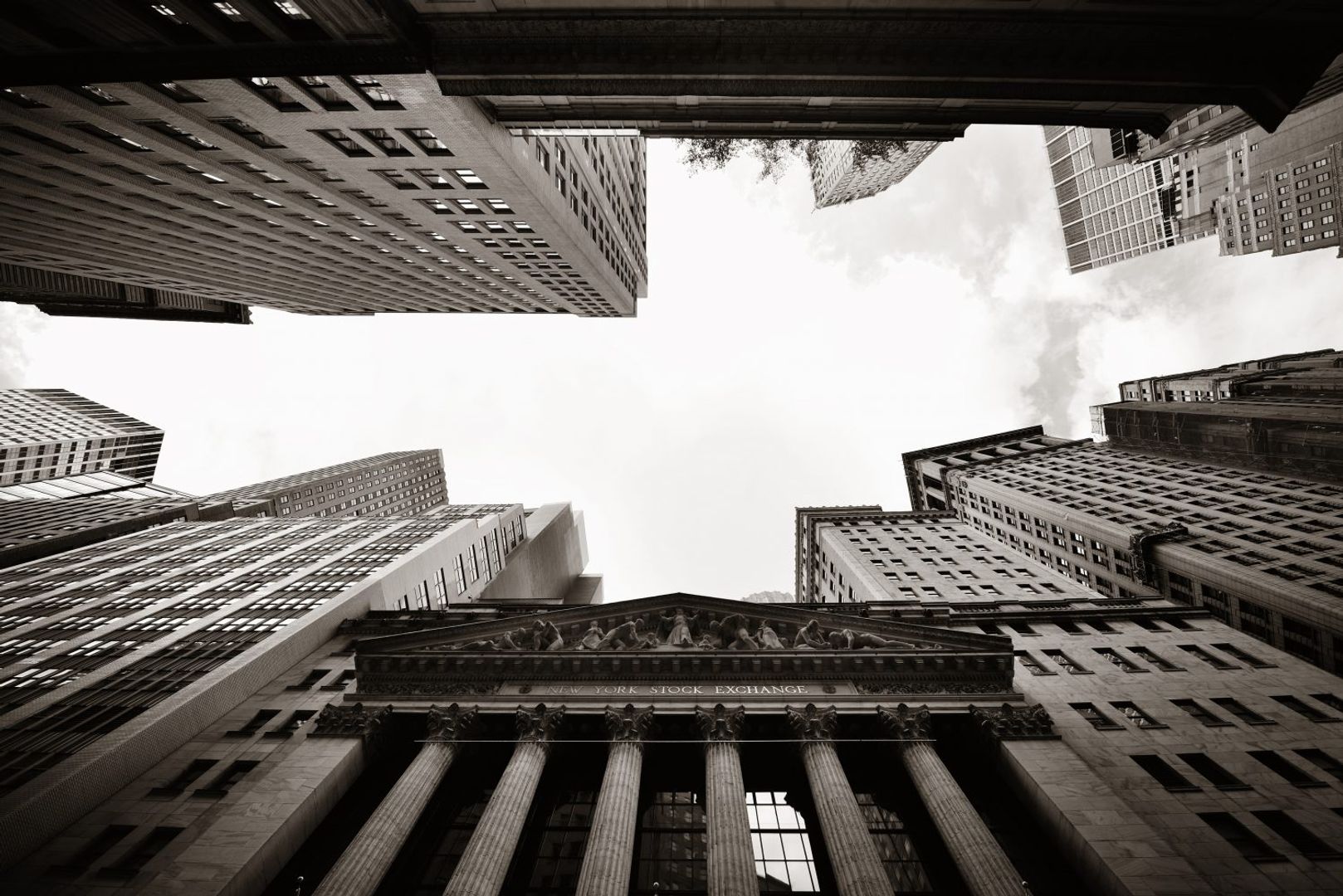
Fairmint CEO Joris Delanoue has sounded an alarm about tokenized stocks replicating the operational chaos that nearly collapsed Wall Street in the 1960s, when surging trading volumes overwhelmed manual settlement infrastructure.
The parallel is sharp. During that era, the financial system became so swamped with paper certificates and clearing failures that the New York Stock Exchange actually closed on Wednesdays to process the backlog. Settlement errors cascaded. Trades took weeks to finalize. The system nearly buckled under its own weight.
Delanoue argues that blockchain-based stock tokenization is headed toward similar fragmentation unless the industry standardizes core infrastructure now. The problem centers on what he sees as a proliferation of competing tokenization protocols and custody solutions, each operating on isolated networks with incompatible standards. Unlike equities in traditional markets, where centralized depositories like DTC (Depository Trust Company) enforce uniformity, tokenized stocks risk splintering across dozens of incompatible blockchain systems.
The warning carries weight because tokenized equities represent one of the most anticipated bridges between traditional finance and crypto infrastructure. Platforms like Polymesh, Avalanche, and Polygon have all positioned themselves as tokenization rails. Major financial institutions have begun exploring the model. But each platform essentially requires its own settlement layer, its own custody standard, and its own token specification.
When settlements happen atomically on-chain, speed improves dramatically. A trade that takes three days in traditional markets could settle in seconds. But only if the buyer and seller operate on the same blockchain or via connected bridges. If tokenized Apple shares exist on Polygon while a buyer owns them on Avalanche, the transaction requires a bridge. Bridges introduce counterparty risk, add friction, and create operational complexity that echoes the paper crisis mindset: fragmented infrastructure compensating for incompatible systems.
Delanoue's solution, through Fairmint's work, involves pushing toward open standards that let tokenized equities move seamlessly across networks without re-wrapping or bridge dependencies. This means developing common standards for how stock tokens record ownership, execute corporate actions like dividends, and interface with custody providers.
The real test comes when institutional volume arrives. Right now, tokenized stock trading remains niche. But when pension funds, asset managers, and global exchanges begin settling large volumes across multiple chains simultaneously, operational risk compounds. A settlement failure on one network could cascade. Fragmented liquidity pools mean wider spreads and worse pricing discovery.
Wall Street solved its 1960s crisis through regulatory mandate and infrastructure consolidation. The SEC effectively required standardized clearing through the DTC. That centralization solved fragmentation at the cost of efficiency. Blockchain tokenization theoretically enables both efficiency and decentralization, but only if participants agree on foundational standards beforehand.
The crypto industry has historically fought standardization, viewing it as constraint. But tokenized equities operate under regulatory scrutiny that decentralized tokens never face. Regulators will demand interoperability and operational safeguards. Building those standards voluntarily now beats having them imposed later.