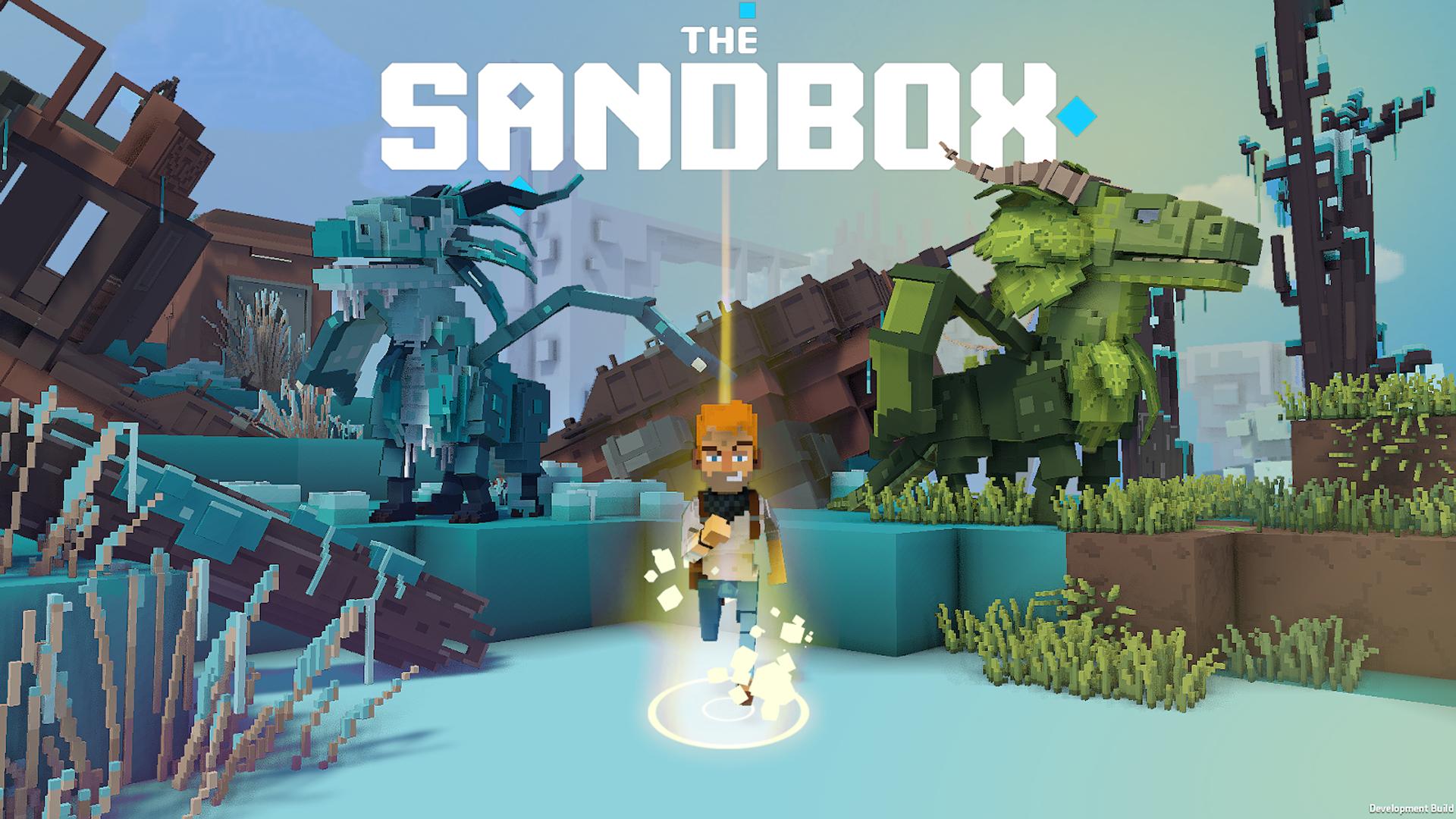
The Sandbox halted token bridging across Base and BNB Chain after discovering an exploit that compromised its cross-chain infrastructure. The gaming platform immediately disabled bridge functionality on the affected networks as a containment measure while warning users against trading SAND tokens on those chains until resolution.
The vulnerability impacted less than 0.01% of the total SAND supply, according to The Sandbox's statement. While the scope remains limited, the incident underscores persistent risks in multi-chain environments where tokens move between incompatible blockchains through bridge protocols. These cross-chain solutions have historically been targets for sophisticated attacks, as evidenced by major exploits at Ronin, Nomad, and Wormhole that collectively drained hundreds of millions in user funds.
The Sandbox operates as a decentralized metaverse platform where SAND serves as its native governance and utility token. Users stake SAND, participate in land sales denominated in the token, and earn rewards through gameplay and platform participation. The Base and BNB Chain presence represented expansion beyond Ethereum, allowing SAND holders on lower-cost networks to access The Sandbox ecosystem without high gas fees.
Disabling bridging creates immediate friction. Users holding SAND on Base or BNB Chain cannot move tokens back to Ethereum or swap them for other assets without significant delays. This liquidity lockdown prevents panic selling that could crater the token price, but it also strands capital on affected chains. The 0.01% supply figure suggests the exploit either failed midway through execution or the attacker's skill level remained below that of previous bridge attackers.
The incident triggers broader questions about The Sandbox's bridge architecture. Cross-chain bridges operate through various mechanisms: some rely on centralized validators, others use cryptographic proofs, and newer designs employ optimistic systems that assume good faith until proven otherwise. Whichever mechanism The Sandbox deployed, it contained an exploitable flaw that the team apparently did not catch during internal testing or security audits.
Recovery timelines remain unclear. The Sandbox must conduct forensics on the exploit, patch the underlying code, and likely implement additional security layers before re-enabling bridging. This process typically takes days to weeks. During this window, SAND liquidity fragments across chains, potentially widening spreads on decentralized exchanges and complicating price discovery.
Token holders on Ethereum experienced no direct impact since the vulnerability isolated to Base and BNB Chain infrastructure. However, the incident signals execution risk at The Sandbox that extends beyond this single exploit. Any platform managing user capital across multiple blockchains requires bulletproof infrastructure. One successful attack, even at minor scale, erodes confidence in the broader system.
The Sandbox joins a growing list of Web3 gaming platforms navigating security challenges at scale. Competitors including Decentraland and Gala Games also operate across multiple chains, creating similar exposure. This exploit suggests that cross-chain gaming infrastructure remains an ongoing vulnerability that teams must address through redundancy, insurance mechanisms, and more conservative deployment practices.