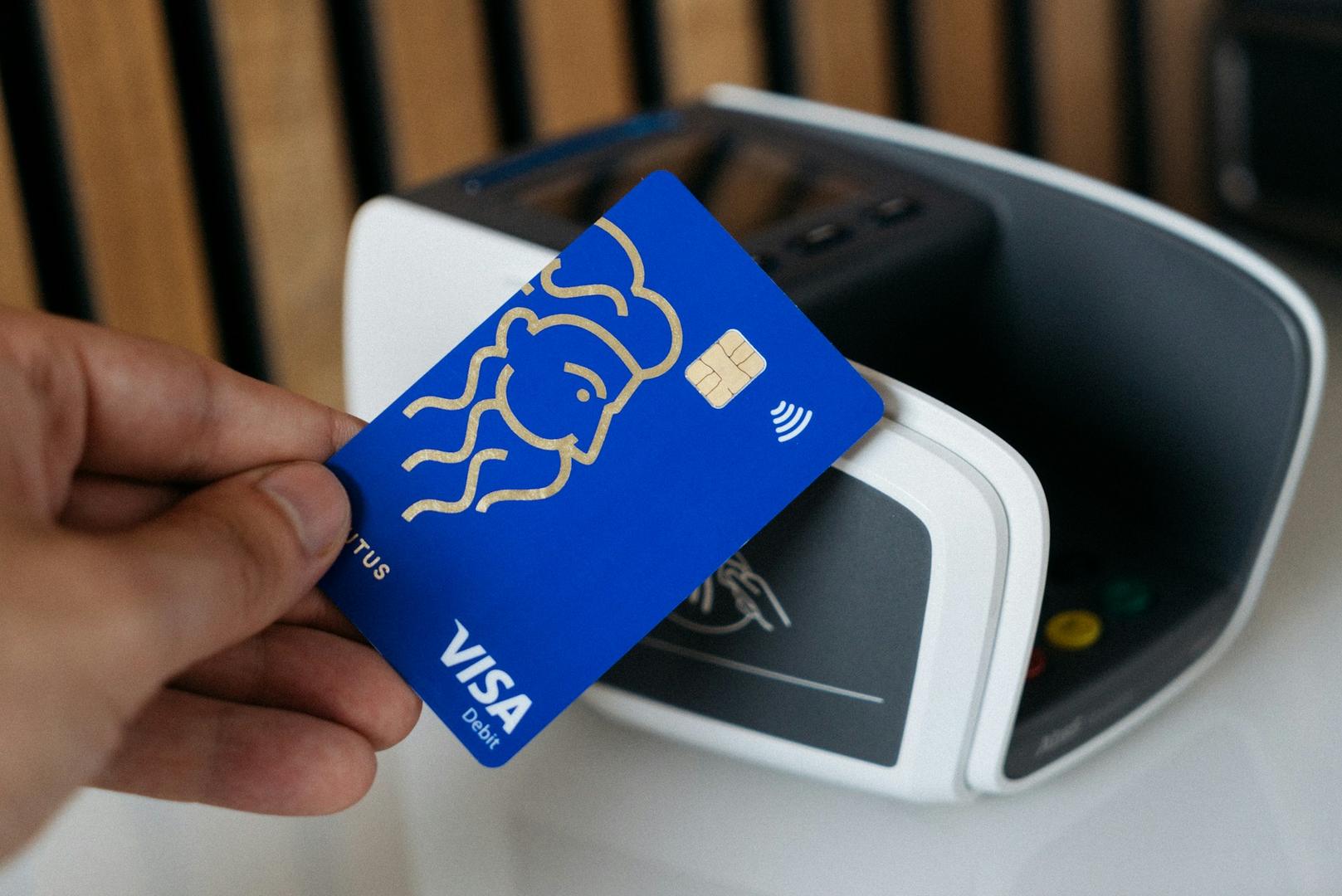
Cryptocurrency spending reached a pivotal inflection point. Card transaction volumes tracking stablecoin usage exceeded $1 billion, tripling year-over-year as mainstream commerce adoption accelerated beyond niche use cases.
USDC and USDT powered the majority of this activity, accounting for more than 70% of all tracked card spending. This concentration reflects how Circle and Tether dominate the stablecoin payment rails, with both tokens maintaining deep liquidity pools and broad merchant integration. The growth trajectory marks a shift from speculative crypto holdings toward transactional utility.
Real-world payment data tells the story. Users deployed stablecoins for groceries, ride-sharing services, and subscription renewals. These aren't fringe transactions. Groceries and transportation represent recurring, everyday consumption. This pattern differs sharply from bitcoin or ethereum use, which remains predominantly speculative or held as digital assets rather than spent.
The $1 billion threshold matters because it crosses from experimental adoption into measurable economic activity. For context, crypto payment card networks like Crypto.com, BlockFi, and others have built infrastructure allowing holders to instantly convert holdings into fiat at merchant terminals. Some cards offer cashback rewards in stablecoin, creating economic incentives to spend rather than hodl.
Stablecoins solve a merchant problem. Unlike volatility-prone assets, USDC and USDT maintain $1.00 peg value. Merchants avoid currency conversion risk. Settlement happens on-chain faster than traditional payment processors. For users, stablecoin cards eliminate the friction of converting crypto to bank transfers before purchasing anything.
The three-fold increase year-over-year indicates network effects accelerating. More merchants integrate stablecoin payment processors. More users receive income or rewards in stablecoins. More fintechs build cards layering on top of stablecoin infrastructure. Each addition compounds adoption.
Regulatory tailwinds enabled this growth. Unlike bitcoin, stablecoins face clearer regulatory pathways. The EU MiCA framework and emerging US stablecoin legislation provide legal certainty. Circle explicitly targets the payments corridor with USDC. Tether, despite regulatory scrutiny, maintains dominant market position through exchange listings and trading pair depth.
Geographic data shapes interpretation. Stablecoin payments concentrate in regions with weakened local currencies, limited banking access, or capital controls. Argentina, El Salvador, and parts of Southeast Asia drive outsized adoption. These markets push stablecoin volumes without requiring developed payment card infrastructure first.
The 70% USDC/USDT split reveals limited competition. BUSD, previously third-largest stablecoin, lost traction after Paxos ended issuance in February 2023. DAI, the leading decentralized stablecoin, maintains smaller payment volume despite technically sound design. Adoption networks favor incumbents.
What changes next depends on merchant velocity. If the billion-dollar number represents consolidation among existing card holders, growth plateaus. If new users enter the system specifically to access stablecoin payment cards, velocity accelerates toward $10 billion annually. User acquisition cost and retention metrics matter more than raw transaction volume here.
The convergence of stablecoin infrastructure maturity, regulatory clarity, and merchant acceptance creates conditions for mainstream payment adoption. Not as replacement for Visa or Mastercard, but as parallel rails for specific use cases. Recurring subscription services and emerging markets appear most likely adoption vectors over the next twelve months.