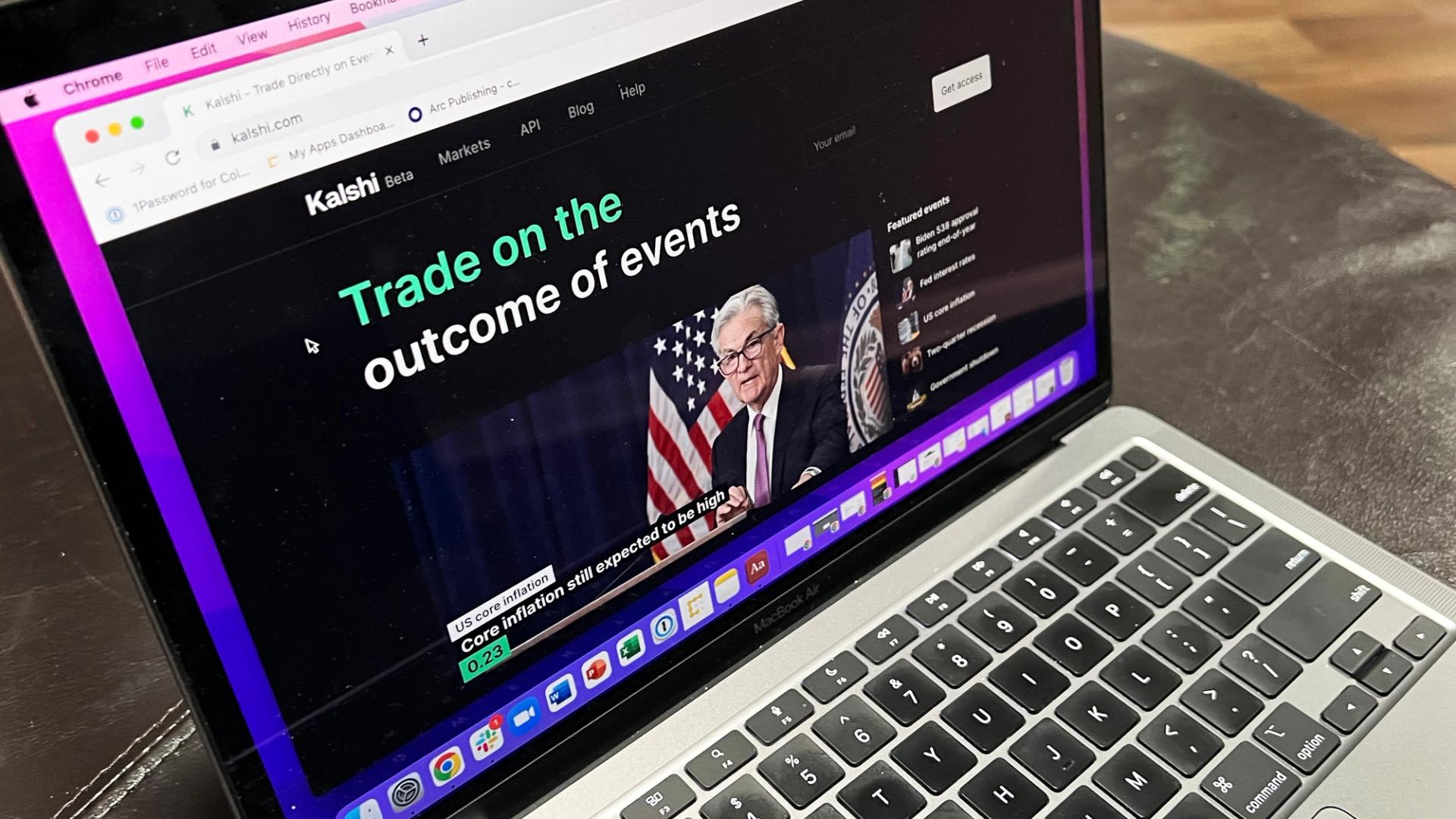
Kalshi, the prediction market platform, faces geographic restrictions as Washington state joined a growing list of jurisdictions blocking access to the platform. The company operates under a conditional no-action letter from the Commodity Futures Trading Commission (CFTC), which permits binary options trading on certain events. However, individual states retain enforcement authority over their residents' participation.
Washington state's block represents a direct conflict between federal and state regulatory frameworks. Kalshi received CFTC approval to operate prediction markets on political and event-based outcomes, but the agency's blessing does not override state gambling laws. Washington regulators determined the platform violates state statutes, forcing Kalshi to geofence the state and deny service to residents.
This friction reflects a deeper regulatory battle. The CFTC and Kalshi are locked in a broader dispute over prediction market rules. The CFTC continues developing comprehensive guidance for binary options trading, while Kalshi pushes back against proposed restrictions. The company argues its markets serve legitimate price discovery and hedging functions distinct from gambling. The CFTC remains unconvinced on certain product categories and continues refining its regulatory framework.
Multiple states now restrict Kalshi access, creating operational headaches. Each state adds another compliance layer, shrinking the addressable market. States that have moved against Kalshi cite consumer protection concerns and existing gambling prohibitions. The platform must either comply with state rules or abandon those markets entirely.
The timing matters. Prediction markets gained mainstream attention ahead of the 2024 U.S. presidential election. Political betting represents Kalshi's core offering, but it also triggers the most regulatory friction. State attorneys general and gambling regulators view political prediction markets skeptically, treating them as gambling products despite their economic utility.
Kalshi's legal strategy involves court battles in multiple jurisdictions. The company contests state restrictions, arguing the CFTC's federal authority should preempt state law. This constitutional question remains unresolved. Previous cases involving online gambling and state jurisdiction suggest courts may defer to state consumer protection powers, even when federal regulators approve certain activities.
The CFTC's parallel rulemaking creates additional uncertainty. The agency could issue rules that either expand Kalshi's operating space or tighten it further. If the CFTC narrows permitted products or tightens customer verification requirements, Kalshi faces steeper compliance costs. If it broadens permission, the company gains ammunition in state court battles.
Washington's block signals a trend. More states will likely follow if Kalshi gains visibility. The platform's growth depends on keeping its largest addressable markets open. East Coast states with significant populations represent attractive targets for state enforcement actions.
Kalshi's predicament reflects the broader tension in crypto and digital assets regulation. Federal approval does not guarantee state acceptance. The company operates in the gap between CFTC oversight and state jurisdiction. Until the CFTC and states align on prediction market rules, platforms like Kalshi face constant legal friction. The company must navigate hostile state regulators while the CFTC decides its fate.