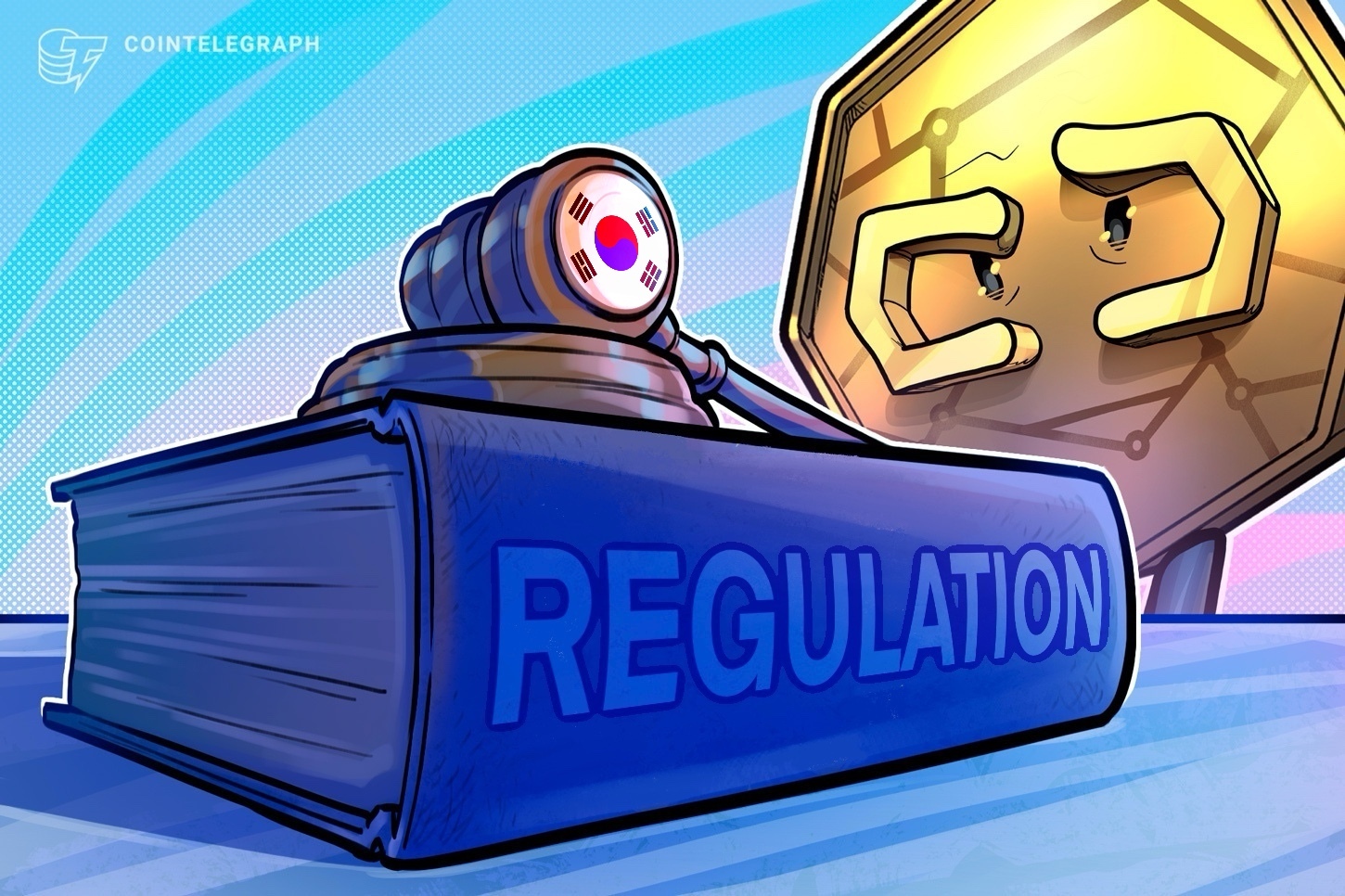
South Korean lawmakers are pushing legislation that would grant the Financial Intelligence Unit (FIU) sweeping new enforcement powers over cryptocurrency firms operating without proper registration. The proposed changes would allow the FIU to investigate suspected violations by unregistered crypto operators and directly refer cases to law enforcement agencies for prosecution.
The move reflects Seoul's hardening stance on crypto compliance. South Korea's regulatory framework has tightened considerably since 2021, when the government imposed strict registration requirements on all crypto exchanges and service providers. Firms operating outside this system now face potential criminal liability under the expanded FIU mandate.
Current regulations require cryptocurrency exchanges to register with financial authorities and maintain real-name account systems through banking partnerships. Many platforms either failed to meet these requirements or continued operating in gray zones. The FIU proposal targets precisely this problem. Unregistered operators would face proactive investigation rather than reactive enforcement after incidents occur.
The FIU, part of South Korea's Financial Services Commission, already monitors financial crime including money laundering and sanctions evasion. Extending its authority to crypto firms represents a structural expansion. Under the proposal, the unit gains investigative capacity specific to digital asset violations. This eliminates a current bottleneck where suspected crypto crimes require separate agency coordination.
Direct law enforcement referrals matter operationally. Currently, violations require multiple handoffs between regulators and prosecutors. The streamlined path accelerates prosecution timelines. South Korean lawmakers view this as necessary given rapid crypto market growth and the proliferation of unregistered platforms targeting retail investors.
The timing aligns with broader regional trends. Singapore, Taiwan, and Japan have all enhanced crypto regulator powers in recent years. South Korea views regulatory standardization as essential for the country's crypto sector to compete globally while protecting domestic investors from fraud and market manipulation.
Unregistered crypto firms operating in South Korea face rising risks. The proposal would not require proving actual wrongdoing before investigation launches. Mere lack of registration triggers FIU scrutiny. This inverts the burden structure from investigation-after-violation to prevention-before-operation.
The proposal also signals Seoul's skepticism about decentralized finance platforms and peer-to-peer exchanges that claim to operate without operators. South Korean regulators have increasingly treated these arrangements as disguised exchanges requiring registration. The FIU expansion provides enforcement machinery for this interpretation.
Industry pushback exists but remains muted. Legitimate exchanges already registered support stricter enforcement against competitors. Unregistered platforms have minimal legal ground to oppose rules they violated by existing outside the system. Retail investor protection concerns dominate political discussion, making opposition appear anti-consumer.
Implementation details remain unclear. The FIU must decide whether to hire specialized crypto analysts or contract external expertise. International cooperation provisions also appear likely, given Seoul's need to pursue offshore operators serving Korean customers. The FIU may coordinate with foreign financial intelligence units to identify and freeze assets held by unregistered platforms.
Passage appears probable given current political momentum around crypto regulation. South Korea's Democratic Party and ruling party both support investor protection frameworks. The main debate centers on implementation speed rather than principle.