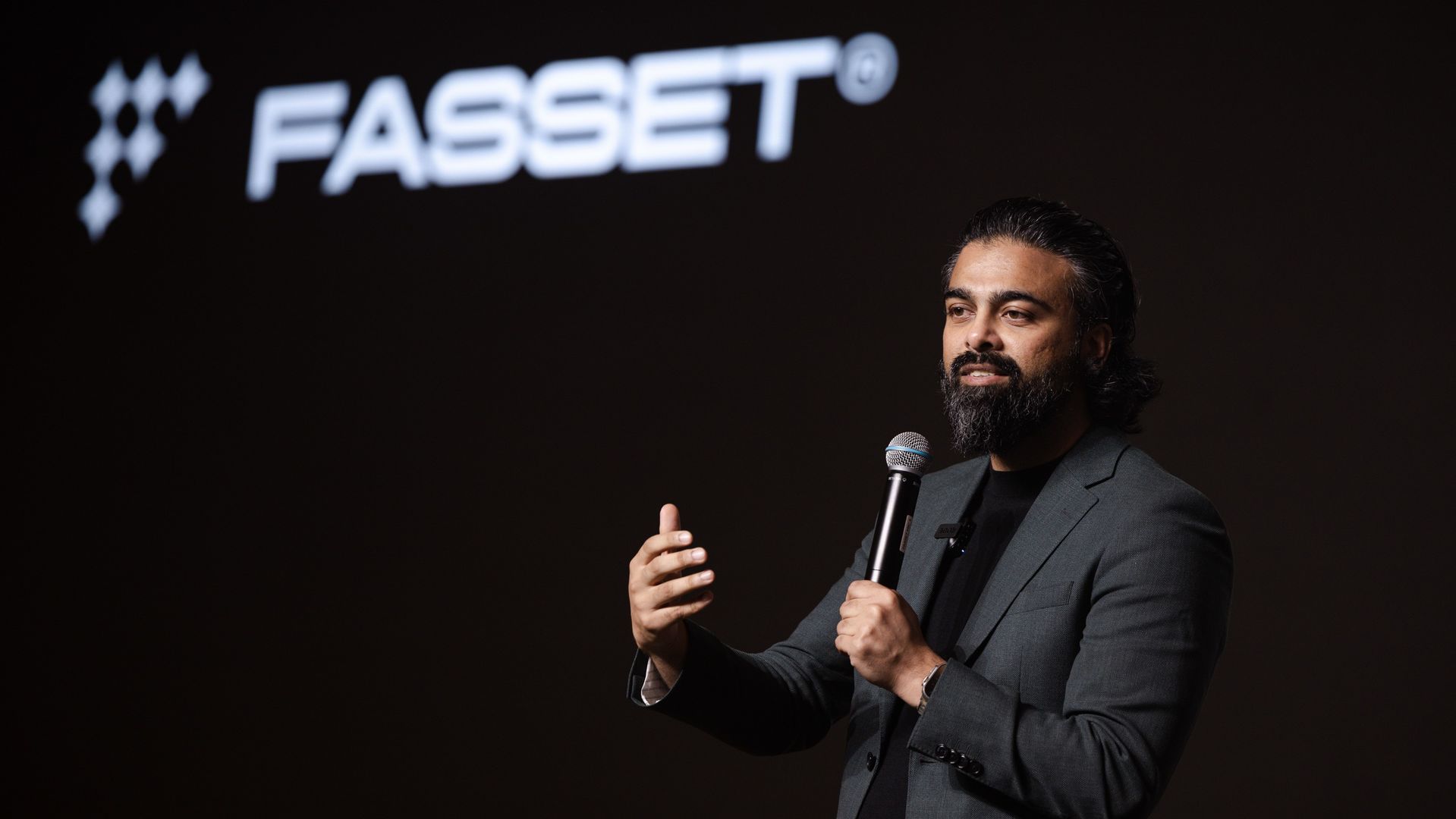
Fasset, a stablecoin-focused neobank, secured a $1 billion valuation in a new funding round led by SBI Group, Japan's largest financial conglomerate. The company raised $68 million to fuel expansion of its stablecoin payments and settlement infrastructure.
CEO Mohammad Raafi Hossain revealed that Fasset's revenue has expanded six-fold, reflecting accelerating adoption of stablecoin-based payment rails. The timing reflects broader institutional appetite for blockchain-native payment systems as traditional finance increasingly integrates digital assets.
SBI's backing carries weight. The Tokyo-based financial giant has aggressively pursued blockchain and crypto partnerships, viewing digital payment infrastructure as essential to Japan's fintech strategy. SBI's involvement signals confidence that stablecoin settlement can compete with legacy banking rails on speed, cost, and 24/7 availability.
Fasset operates at the intersection of two trends. First, enterprises and financial institutions now demand faster, cheaper cross-border settlement. Stablecoins eliminate intermediaries and settlement delays inherent in wire transfers and correspondent banking. Second, tokenized finance continues attracting both retail and institutional players, creating demand for platforms that bridge crypto and traditional payment systems.
The six-fold revenue growth underscores that Fasset has moved past proof-of-concept stage. A neobank model built on stablecoins targets corporations, fintech platforms, and payment processors seeking to settle transactions in tokenized assets like USDC or other major stablecoins. Revenue likely flows from transaction fees, interchange, and premium settlement services.
The $68 million raise places Fasset in a competitive but growing segment. Competitors include platforms like Circle, which offers USDC infrastructure, and traditional payment networks experimenting with blockchain settlement. Unlike Circle, which anchors payments to its own stablecoin, Fasset positions itself as infrastructure agnostic, supporting multiple stablecoin rails. This approach appeals to enterprises reluctant to commit to single-issuer stablecoins.
The $1 billion valuation reflects investor conviction that stablecoin payments will capture meaningful volume from traditional banking. If Fasset captures even a fraction of cross-border B2B settlement activity, multibillion-dollar revenue opportunities emerge. Banks process roughly $150 trillion annually in correspondent banking alone. Stablecoin platforms promise to redirect a percentage of this through blockchain rails at lower cost.
Challenges remain. Regulatory clarity around stablecoins varies by jurisdiction. Japan has embraced stablecoins more openly than the U.S., where lawmakers debate issuance rules and reserve requirements. Fasset's reliance on SBI's backing may insulate it from some regulatory friction, but macroeconomic headwinds and banking sector volatility create uncertainty.
Integration with legacy banking infrastructure matters. Fasset's value proposition depends on seamless onramps and offramps between stablecoins and fiat. SBI's banking network likely enables this, reducing friction compared to crypto-native competitors.
The neobank model also faces execution risks. Fasset must scale compliance, manage liquidity across multiple stablecoin networks, and maintain competitive fee structures while remaining profitable. Legacy payment networks have entrenched relationships and decades of operational maturity.
Still, the $1 billion valuation and SBI partnership validate the thesis that institutional stablecoin settlement will grow. Six-fold revenue growth suggests Fasset has product-market fit among enterprise customers. As cross-border payment flows increasingly tokenize, platforms offering fast, low-cost settlement through stablecoins stand to capture meaningful economics.