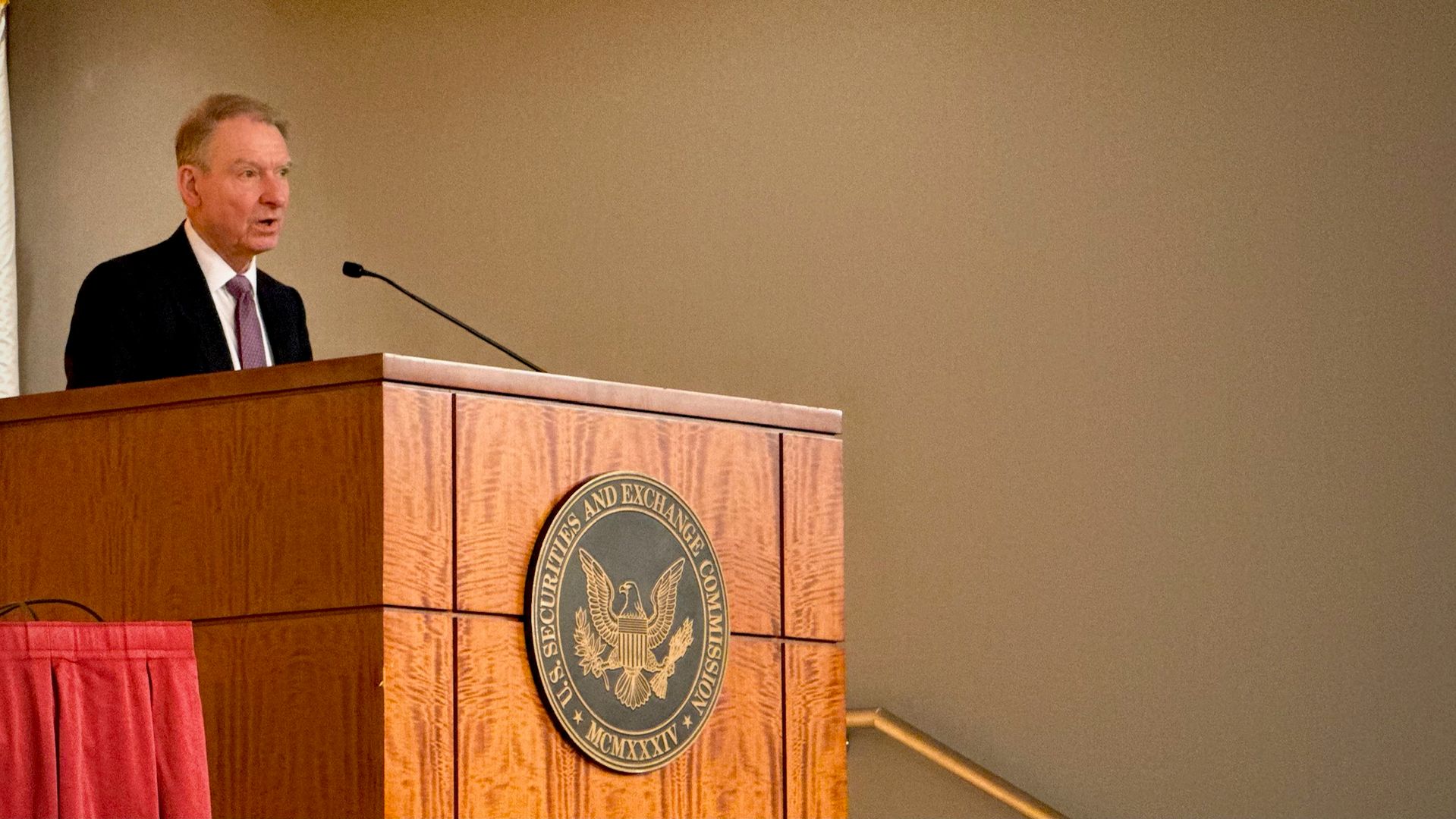
The Securities and Exchange Commission is reviving custody rule changes for digital assets that the previous administration failed to finalize in 2023. The new effort signals renewed regulatory momentum on a core issue: where investment advisers legally store client cryptocurrency holdings.
The 2023 attempt targeted a narrow but consequential slice of the crypto ecosystem. The SEC proposed restricting investment advisers' ability to use certain custodians for client digital assets. The rule aimed to tighten control over qualified custodians, essentially limiting which third parties could hold crypto on behalf of advisory clients. That effort stalled before completion.
Details on the current resurrected approach remain opaque. The SEC has not published specifics about how the new iteration differs from 2023's failed attempt or when it expects to finalize anything. This opacity creates uncertainty for major players in the custody space. Coinbase Custody, Kraken, Kingdom Trust, and other institutional custodians operate in direct relationship to this ruleset.
The timing matters. The regulatory environment shifted dramatically since 2023. The incoming administration signals a crypto-friendlier posture than its predecessor. Yet the SEC, led by chair Gary Gensler until January 2025, has moved aggressively on several fronts. A resurrection of custody rules suggests institutional frameworks remain a priority regardless of broader political winds.
Custody rules sit at the intersection of investor protection and market infrastructure. Investment advisers manage billions in assets across equities, bonds, and increasingly digital assets. A custody rule creates guardrails: it forces advisers to use custodians meeting specific standards, reduces counterparty risk, and provides recourse if a custodian fails or acts recklessly. For retail investors or pension funds, custody standards mean their holdings cannot simply disappear if an adviser mishandles them.
The 2023 version faced criticism from multiple directions. Custodians argued the restrictions were unnecessarily narrow and would fragment the market. Some advisers claimed the rules imposed operational friction without proportional safety gains. Congressional pressure from both parties added complexity. The rule failed to reach final form before the transition.
What changed between 2023 and now remains unclear. The SEC may have refined the language to address prior objections. It might have broadened the scope or narrowed it further. The agency could incorporate feedback from the custody industry that emerged during the first attempt. Or it could simply represent renewed determination to finalize something previously abandoned.
The stakes extend beyond compliance mechanics. A clear custody rule legitimizes advisory products built on digital assets. Institutional investors, including retirement funds and endowments, currently avoid crypto entirely partly because custodial frameworks lack SEC blessing. Formalizing custody standards could unlock institutional capital flows into tokens.
Conversely, overly restrictive rules could consolidate custody power among a handful of large players already meeting stringent standards. Coinbase, Kraken, and similar firms can afford compliance costs. Smaller custodians might exit the market entirely. That consolidation reduces competition and could raise fees for advisers and their clients.
The SEC's secretive approach suggests internal debate continues. The agency may be working through how to balance investor protection against competitive dynamics. It also reflects typical SEC practice on rules still in development.
What happens next depends on the new administration's FDA and SEC leadership. If the incoming SEC chair prioritizes crypto infrastructure, a custody rule could move quickly. If skepticism prevails, the effort dies again. The crypto custody market operates in that liminal space, waiting for regulatory clarity that keeps getting delayed.