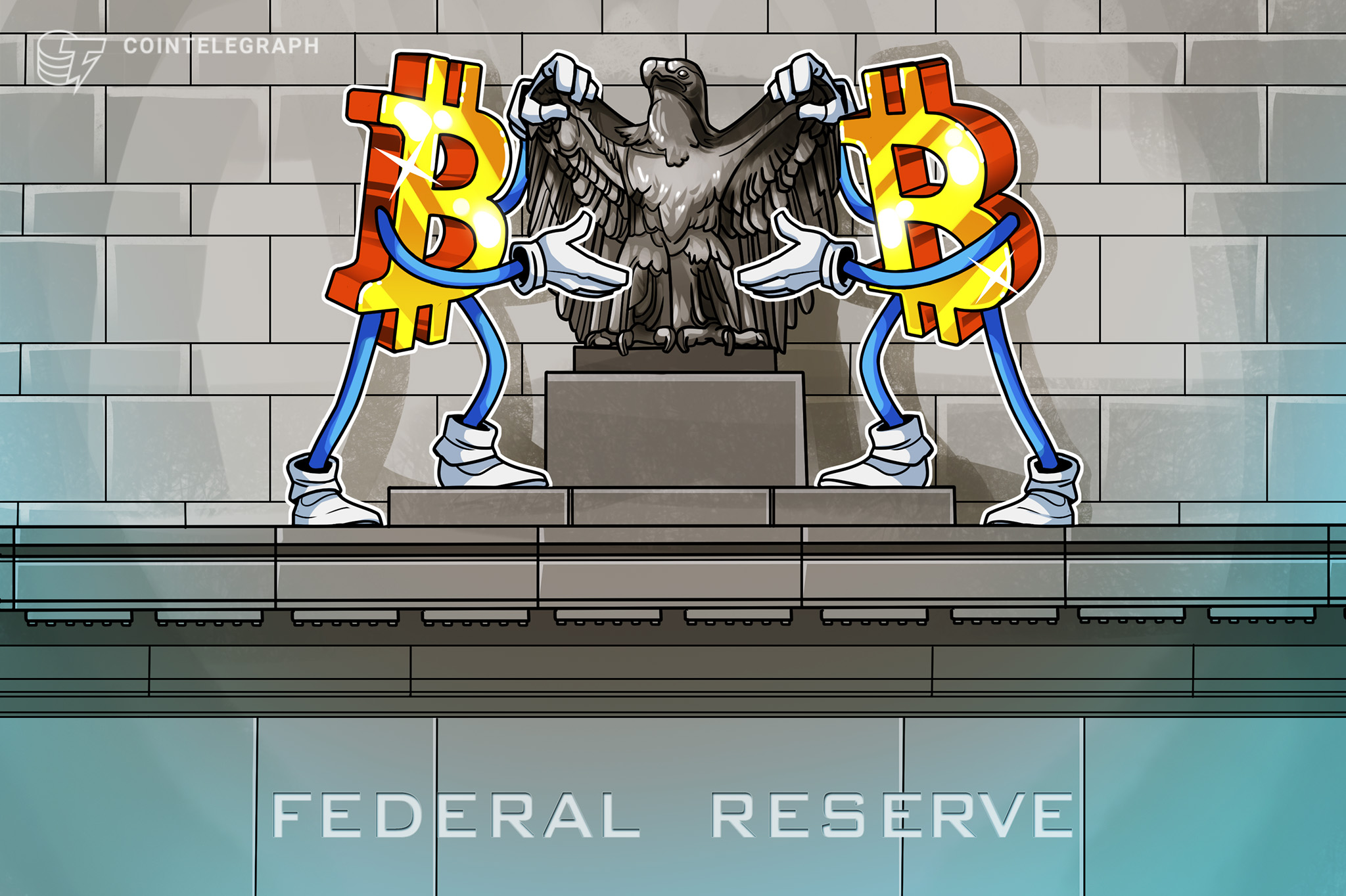
Bitcoin retreated to $78,400 on Thursday after Federal Reserve Vice Chair Kevin Warsh delivered a cautious Jackson Hole address that tempered investor optimism about near-term rate cuts.
Warsh's remarks directly contradicted the market narrative built around softer-than-expected inflation data. While recent Consumer Price Index and Producer Price Index prints had fueled expectations of Fed easing, Warsh signaled the central bank remains unconvinced inflation has been sufficiently tamed. His skepticism about rapid disinflation trends shifted market sentiment away from risk assets, dragging Bitcoin below the $80,000 level it had tested repeatedly.
The timing matters. Bitcoin had been climbing steadily as markets priced in a higher probability of a September rate cut following cooler inflation readings. Each dovish Fed signal typically pushes capital into risk-on assets, including cryptocurrencies. Warsh's hawkish tone reversed that momentum immediately. Traders scaled back bets on aggressive Fed easing, which historically reduces the appeal of non-yielding assets like Bitcoin.
The $80,000 level holds technical and psychological importance. Bitcoin has used this zone as both support and resistance multiple times this year. A failure to break decisively above it signals weakening momentum and potential distribution at higher prices. Volume during the pushes toward $80,000 matters here. Lower volume during rallies often precedes pullbacks.
Warsh's Jackson Hole keynote reflects broader Fed communication strategy entering September's policy meeting. The central bank faces competing pressures. Labor market data has softened, suggesting the need for easing. Yet inflation remains above the Fed's 2% target on a sticky basis. Core inflation especially resists downward movement. Warsh's emphasis on these stickier inflation components suggests the Fed will move cautiously on rate cuts, potentially starting with a single 25-basis-point reduction rather than the 50-basis-point moves some bulls had hoped for.
For crypto markets, this matters enormously. Bitcoin and Ethereum have historically performed better in easing cycles when real yields fall and investors rotate into alternatives. A slower, more measured Fed cutting cycle diminishes that tailwind. The asset class thrives on monetary expansion. Hawkish Fed rhetoric, even if only moderately hawkish, creates headwinds.
The selloff also reflects profit-taking. Bitcoin had rallied from roughly $59,000 in early July to nearly $67,000 by early August before the recent push toward $80,000. Extended rallies attract retail FOMO buying near resistance levels, then encounter institutional selling. Warsh's comments provided a convenient catalyst for that selling.
Looking ahead, Bitcoin traders face a data-dependent path through September. The next Consumer Price Index print, nonfarm payrolls, and Fed speakers will all influence whether Bitcoin can reclaim $80,000 or settles lower. The market now prices significantly lower odds of an aggressive Fed easing cycle. This repricing could persist until economic data either validates or contradicts the Fed's hawkish inflation narrative.
The current Bitcoin price action reveals a market struggling with macro uncertainty. Without clear visibility on the Fed's actual cutting path, large directional moves become difficult. Warsh's speech did what Fed communications do best: it created clarity about the Fed's thinking while simultaneously creating uncertainty about market expectations.