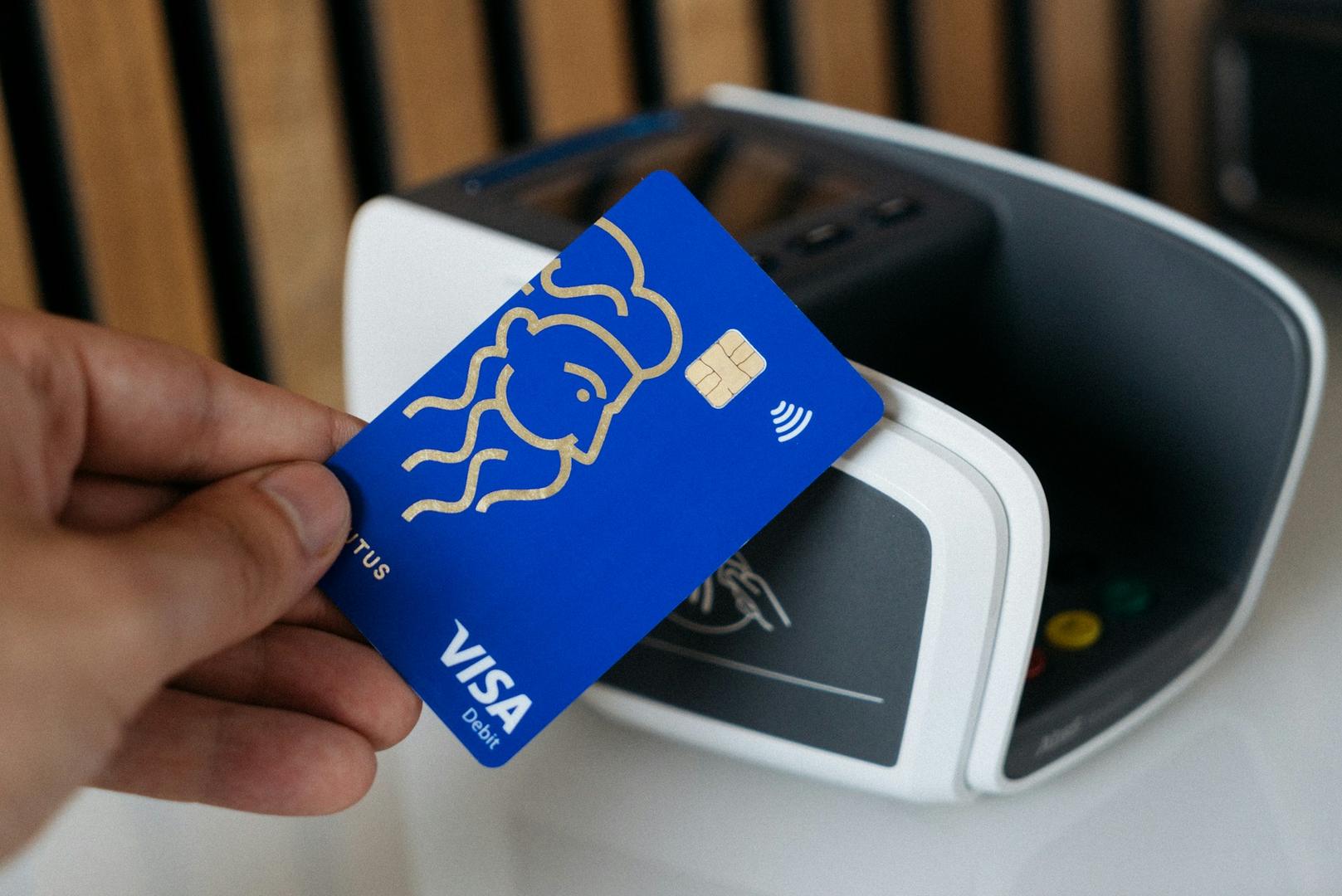
A security breach at a neobank platform resulted in a $1.1 million theft through compromised crypto cards, triggering a sharp collapse in the platform's native AVICI token. The token plummeted 49% from its 24-hour peak, eventually finding a floor at record lows before recovering some ground.
The exploit exposed a critical vulnerability in how the neobank manages card-linked cryptocurrency holdings. Attackers gained unauthorized access to crypto card accounts, draining funds before security measures could detect or halt the transactions. This type of breach represents a persistent problem in digital banking platforms where crypto custodial services intersect with traditional payment infrastructure.
The $1.1 million loss stands as substantial but not catastrophic in absolute terms. However, the token market's response reveals investor anxiety about platform security and operational resilience. A 49% single-day crash indicates panic selling and loss of confidence in the underlying ecosystem. When neobanks suffer security breaches, token holders immediately reassess risk, pricing in the possibility of further exploits or regulatory action.
The incident raises questions about the neobank's security architecture. Crypto card platforms typically require multiple layers of protection. Card tokenization, transaction velocity limits, geofencing, and multi-signature authorization should theoretically prevent large-scale unauthorized withdrawals. That attackers bypassed these controls suggests either inadequate implementation or a sophisticated social engineering attack targeting customer service processes.
The token's partial recovery from record lows shows some stabilization, but the damage to market perception persists. Token holders face two competing narratives. One says the exploit represents an isolated incident with limited systemic impact on the platform's core operations. The other argues the breach demonstrates operational immaturity and insufficient security investment for a custodian managing other people's assets.
For the neobank, the immediate priorities include restocking the hacked accounts, conducting a full forensic investigation, and publicly detailing remediation steps. Platforms that survive security incidents typically implement stricter asset withdrawal limits, enhanced KYC verification for card-linked accounts, and bug bounty programs. Some pursue SOC 2 Type II compliance or third-party security audits to rebuild trust.
The broader implication extends to how regulators view neobank security standards. Agencies overseeing financial services increasingly demand evidence of robust custodial controls. A hack of this magnitude may trigger regulatory inquiries about reserve adequacy, insurance coverage, and disaster recovery protocols. The neobank must prove it maintains sufficient capital to cover customer losses without declaring insolvency.
Token holders face diminished upside if the platform dedicates resources to security remediation rather than growth initiatives. Recovery depends on transparent communication about the breach's scope, timeline for resolution, and concrete security upgrades. Platforms that acknowledge failures directly and implement measurable protections often retain customer loyalty. Those that downplay incidents or shift blame face prolonged token weakness.
The crypto card segment remains underpenetrated relative to traditional banking but carries execution risk that traditional institutions largely contain through legacy infrastructure and regulatory oversight. Neobanks built on distributed systems face novel attack vectors that require constant vigilance and investment. This incident underscores why security spending cannot become an optional line item.