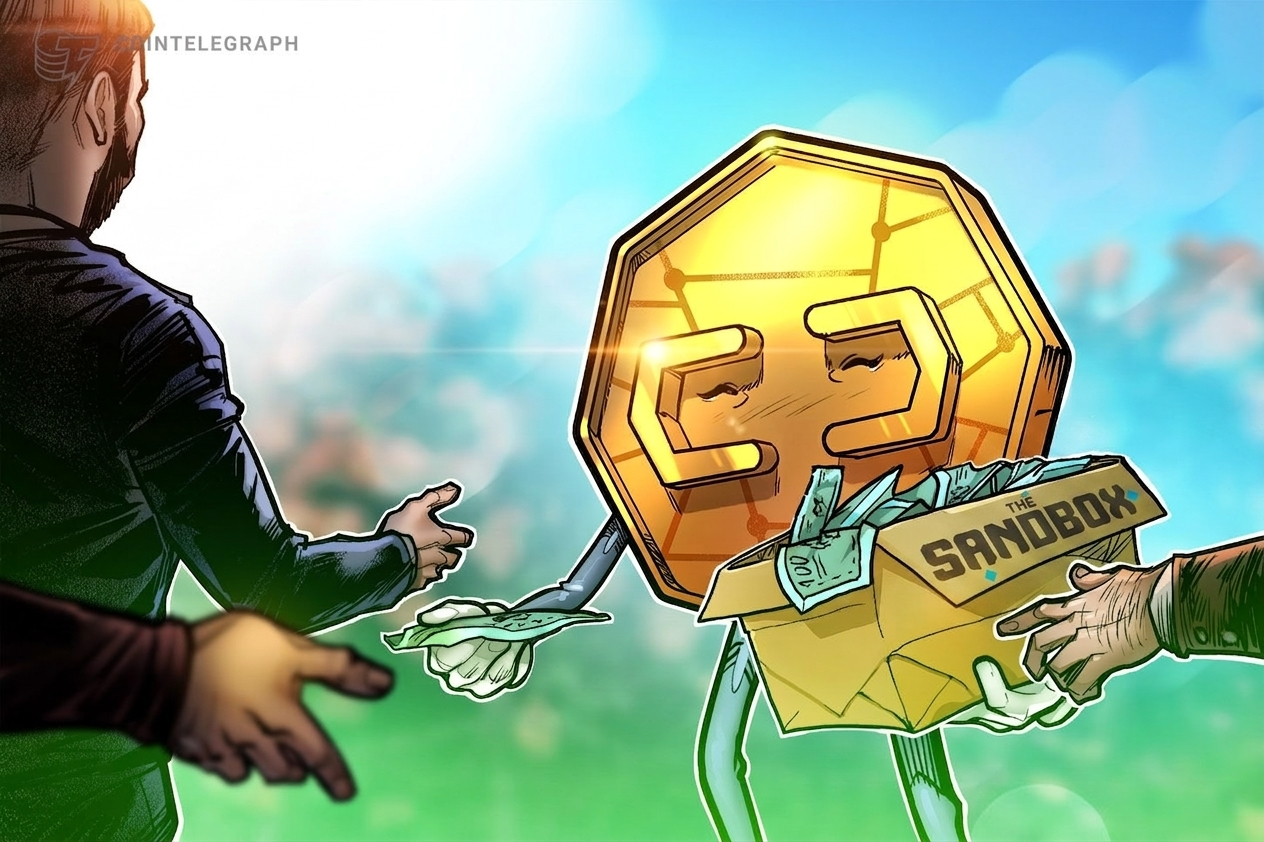
The Sandbox announced a 1:1 repayment plan for users affected by a $700,000 bridge exploit that drained funds across multiple chains. The gaming metaverse platform will compensate affected holders on Base and BNB Chain using Ethereum-based SAND tokens drawn from its project treasury, with claims opening within two weeks.
The exploit targeted The Sandbox's cross-chain bridge infrastructure, allowing attackers to drain approximately $700,000 in user assets. Bridge vulnerabilities remain a persistent attack vector in multichain protocols. The affected users held positions on Base, Ethereum's layer 2 rollup operated by Coinbase, and BNB Chain, the blockchain ecosystem behind Binance. Both networks saw user funds compromised through the compromised bridge contract.
The Sandbox chose full 1:1 compensation rather than partial recovery or protocol insurance claims. This decision prioritizes user trust at a time when bridge exploits have eroded confidence in cross-chain infrastructure. Protocols like Ronin, Poly Network, and Nomad suffered massive breaches in previous years, with some never fully compensating users. The Sandbox's approach signals willingness to absorb the loss directly through treasury reserves.
The repayment mechanism distributes Ethereum-native SAND tokens rather than native assets from each chain. This simplifies accounting and leverages Ethereum's liquidity depth. Users will need to claim their compensation actively, suggesting a snapshot-based verification process tied to wallet addresses that held tokens during the exploit window. The two-week claim window provides reasonable time for users to organize, though extended claim periods carry risks if claiming mechanisms face technical issues or if users miss deadlines.
The $700,000 loss represents a subset of The Sandbox's total treasury. The project maintains substantial SAND holdings and continued backing from Animoca Brands, its parent company and largest stakeholder. This financial cushion enabled the full repayment commitment without requiring governance votes or external fundraising. Projects with weaker treasuries often negotiate partial recoveries or insurance payouts instead.
The exploit's root cause matters for future security. Bridge vulnerabilities typically stem from smart contract logic errors, oracle failures, or validator set compromises. The Sandbox must conduct a full security audit before relaunching bridging functionality. Third-party bridge providers like Stargate, Across, or Connext handle multichain transfers for other gaming tokens, suggesting The Sandbox could have relied on existing infrastructure rather than maintaining proprietary bridges.
This incident highlights the ongoing trade-off between native cross-chain bridges and third-party solutions. Native bridges provide direct protocol integration but require dedicated security resources and maintenance. Third-party bridges centralize risk but distribute security responsibility. The Sandbox's experience adds to evidence that multichain gaming platforms struggle with bridge security at current technology maturity levels.
The metaverse token trades on multiple exchanges and networks, with Base integration targeting Ethereum users seeking lower transaction costs. The bridge exploit could slow adoption on Base despite the chain's rapid growth. Users may hesitate to bridge assets across new infrastructure until security practices improve across the industry.
The repayment commitment should restore confidence among affected users. However, The Sandbox must address the underlying vulnerability before reestablishing bridge connectivity. Delayed or complex claim processes could undermine goodwill, so execution matters as much as the policy itself. The project's treasury depth distinguishes it from smaller protocols that lack resources for full compensation.