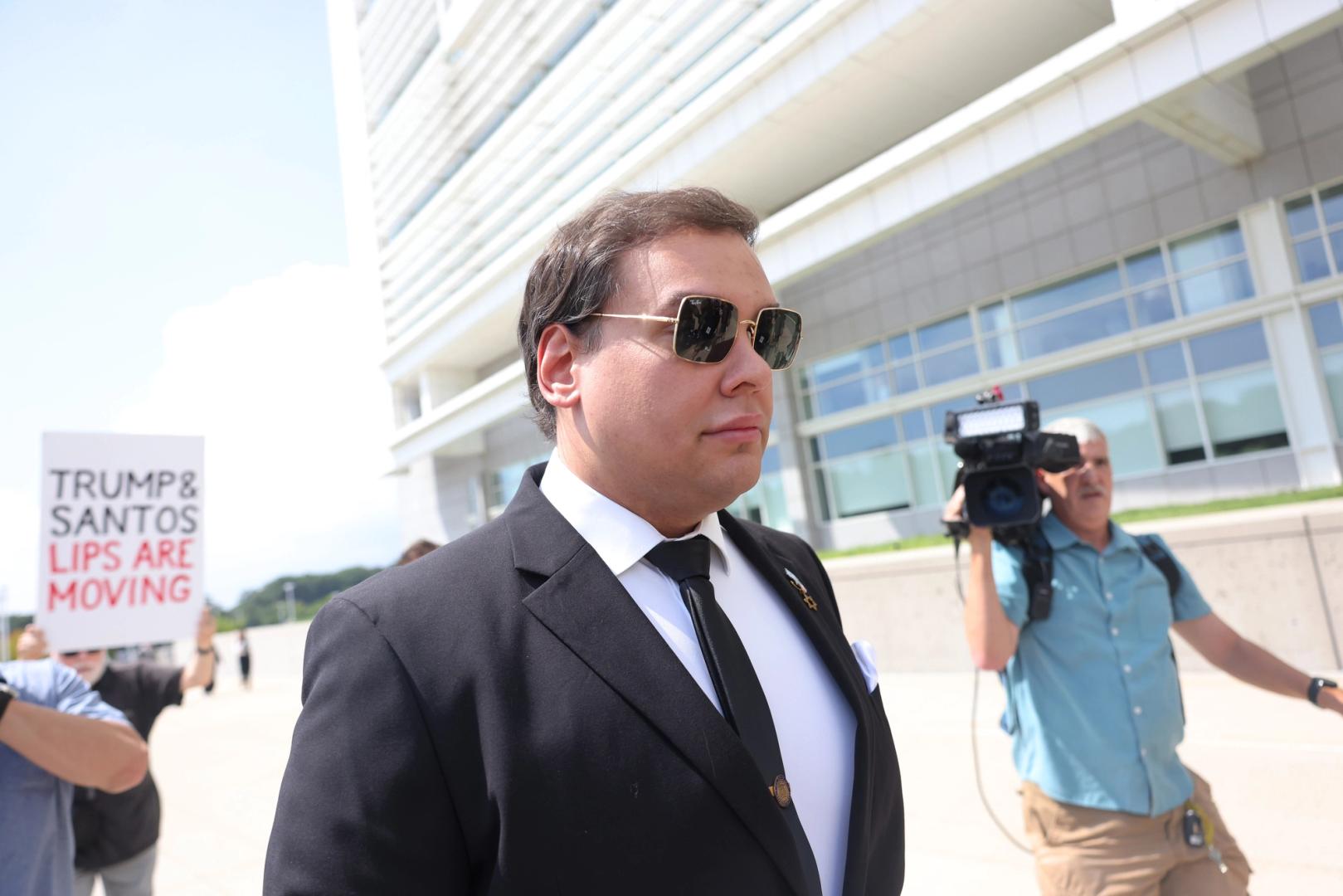
Kalshi, a regulated prediction market platform, issued its first lifetime ban against George Santos, the former U.S. congressman from New York who resigned in 2023 amid federal fraud charges. The platform cited market manipulation as the reason for the permanent ban.
Santos faced multiple criminal indictments related to campaign finance fraud and personal misconduct. His political career collapsed after investigations revealed he misused campaign funds and made false claims about his background and financial history. The lifetime ban from Kalshi marks the first time the platform has invoked such enforcement action against any user.
Prediction markets have exploded in regulatory acceptance and mainstream adoption over the past year. Kalshi operates as a CFTC-regulated platform, distinguishing itself from offshore competitors like Polymarket. The platform allows users to bet on future events, from election outcomes to economic indicators. As these markets gain legitimacy and attract higher volumes, platforms face mounting pressure to enforce rules that prevent manipulation and fraud.
The Santos ban signals Kalshi's commitment to market integrity at a moment when the entire prediction market sector faces scrutiny over its growth and user conduct. Regulators and law enforcement have paid closer attention to these platforms as they've expanded beyond niche communities into mainstream financial products. A high-profile case like Santos provides the platform an opportunity to demonstrate proactive enforcement before regulators force stricter rules upon the industry.
Market manipulation in prediction markets typically involves coordinated trading, spreading false information, or leveraging privileged knowledge to artificially move prices. Given Santos's history of financial fraud and dishonest dealings, Kalshi likely assessed him as a material risk to market integrity. His political background and access to information networks made him a particularly sensitive case for a platform operating under federal oversight.
The action also reflects broader industry maturation. Early cryptocurrency and prediction market platforms often overlooked bad actors or lacked enforcement mechanisms. As Kalshi and competitors seek regulatory approval and institutional adoption, comprehensive compliance programs become table stakes. Lifetime bans for serious violations demonstrate to regulators that platforms can police themselves rather than requiring heavy-handed government intervention.
Santos remains entangled in federal litigation and faces potential prison time if convicted. His ban from Kalshi extends his already-damaged reputation and removes access to a potentially lucrative avenue for placing bets or generating income. For a figure already sidelined from politics and facing criminal charges, the restriction carries symbolic weight beyond its practical impact.
The timing matters too. Prediction markets have gained traction as election cycles approach. Political operators and insiders sometimes attempt to leverage market access for financial gain or to signal information asymmetrically. Kalshi's swift action against Santos sends a message that the platform will not tolerate such activity, particularly from figures with political connections or historical patterns of financial misconduct.
This enforcement action establishes precedent within Kalshi's ecosystem. Other platforms operating under CFTC or state-level oversight will likely adopt similar bans. As prediction markets compete for users and regulatory favor, each ban and enforcement action strengthens the industry's credibility claims. Kalshi benefits from appearing strict and fair-minded, while the broader sector benefits from reduced association with fraud and manipulation.