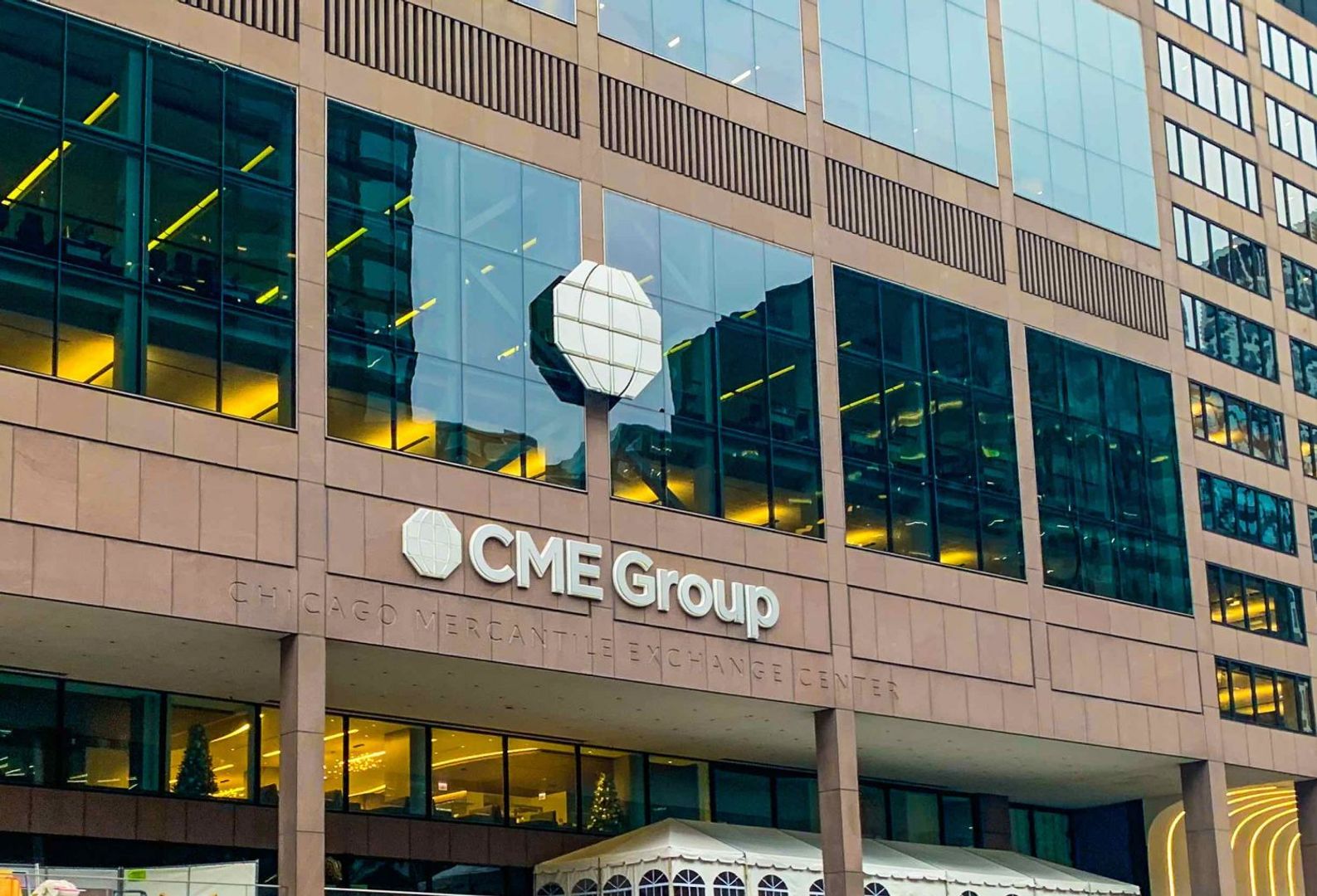
CME's XRP futures market is capturing significantly more trading activity as the token stages a powerful rally, signaling a shift in where professional traders and institutions are positioning themselves in the XRP market.
Outstanding XRP futures positions outside CME dropped by over 500 million tokens in a two-week period, while the Chicago Mercantile Exchange's regulated platform saw exposure climb approximately 36 percent. This reallocation coincides with XRP's 40 percent price surge within a single week, pushing the token toward the $1.40 level.
The migration of positions from unregulated and offshore venues toward CME reflects a broader institutional preference for regulated derivatives markets. CME's XRP futures contract offers clearing through the Depository Trust and Clearing Corporation, eliminating counterparty risk and providing the transparency that institutional investors demand. As XRP volatility increased and price momentum accelerated upward, traders shifted capital toward the exchange with the strongest regulatory backing.
XRP's rally has multiple drivers. The token rebounded sharply following regulatory clarity around its status, with a significant portion of the price action fueled by speculation around potential Ripple use cases in cross-border payment infrastructure. The rally also benefited from broader cryptocurrency market strength and retail investor participation returning to altcoins after months of Bitcoin and Ethereum dominance.
The shift in futures positioning matters because it reflects institutional conviction. When professional traders exit offshore derivative positions and consolidate exposure on regulated exchanges, they signal confidence in both the asset and the regulatory environment. CME's growing share of XRP futures volume suggests that institutions view the token's price movement as sustainable enough to justify trading on premium-fee platforms.
Unregulated futures markets, including those on offshore exchanges, carry execution risk and counterparty concerns. A 500 million token reduction in these venues represents significant capital reallocation. The precise reasons for the exodus remain unclear. Some traders may have closed positions entirely after realizing gains. Others likely migrated directly to CME, where they gain regulatory protection and institutional-grade infrastructure.
The timing matters. XRP's 40 percent weekly rally is substantial and unusual for a token with a multi-trillion-dollar market cap. This kind of momentum often attracts fresh capital and encourages existing position holders to increase stakes. CME's platform, with its regulated status and transparent pricing, becomes the natural destination for this fresh capital.
Price action near $1.40 sets XRP within striking distance of local resistance levels that could trigger either profit-taking or breakout momentum. If the rally continues, expect CME's XRP futures exposure to climb further. Conversely, if price momentum stalls, traders may reduce positions across all venues.
The shift also reflects evolving market structure. As cryptocurrency markets mature, institutional participation consolidates around regulated venues. CME's capture of XRP futures flow demonstrates that U.S. regulatory clarity, despite ongoing legal battles between the SEC and Ripple, creates competitive advantages for compliant trading infrastructure. This dynamic will likely repeat across other major altcoins as institutional trading infrastructure solidifies.