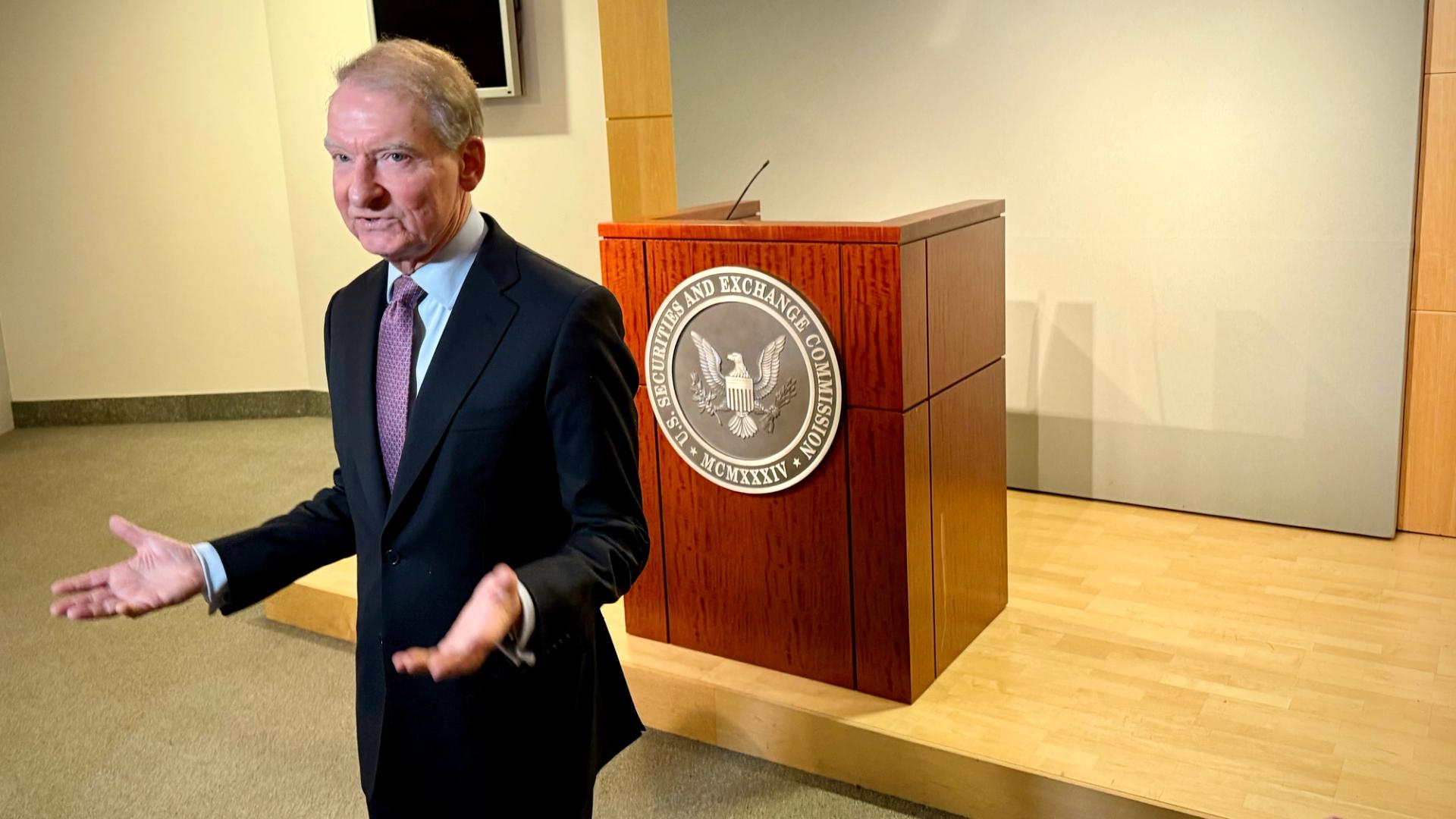
The SEC has quietly positioned itself to reshape how securities trade in America around the clock, while simultaneously drafting transfer agent rules that could reshape blockchain infrastructure for tokenized assets.
The agency announced a roundtable focused on 24-hour U.S. trading. This isn't theoretical debate. The SEC is gathering stakeholders to examine operational, regulatory, and technical barriers to non-stop trading. Current market hours create friction for global participants and lock liquidity outside traditional windows. Blockchain networks operate continuously. The SEC's move signals recognition that U.S. markets lag technical capability.
The timing matters. Congress has pushed the SEC toward modernization. Electronic Communications Networks (ECNs) already operate extended hours, but fragmentation persists. A true 24-hour market requires coordinated settlement, real-time surveillance, and continuous risk management. Blockchain technology handles these tasks natively. The roundtable will test whether traditional finance can adopt those efficiencies without massive infrastructure overhauls.
Separately, the SEC proposed new transfer agent rules with direct blockchain relevance. Transfer agents hold and transfer securities on behalf of issuers. They sit at the intersection of issuance and custody. The proposed rule modernizes recordkeeping standards and could explicitly address digital asset transfer agents.
This creates immediate opportunities for blockchain firms. Companies operating as transfer agents for tokenized securities face regulatory clarity they currently lack. Traditional transfer agents like Computershare operate in a rulebook written for paper certificates and centralized databases. The SEC's update acknowledges that distributed ledgers require different controls. Firms building blockchain transfer infrastructure could gain formal recognition.
The rule also addresses custody and control. If transfer agents hold tokens in blockchain wallets, the SEC must clarify custody standards, private key management, and liability frameworks. This shapes whether traditional custodians like Fidelity or Bank of New York Mellon compete with crypto-native custodians on tokenized asset settlement.
Settlement speed represents the real battleground. Traditional T2 settlement (two-day clearance) exists because systems need time to verify trades and move assets. Blockchain handles settlement in minutes or seconds. The roundtable will explore whether real-time settlement is operationally viable at scale. If yes, it obsoletes entire back-office infrastructures.
Market participants divide into camps. Traditional exchanges like NYSE resist constant trading because it erodes venue control and disrupts regulatory surveillance. Crypto exchanges and decentralized platforms embrace 24-hour operation as a feature, not a bug. Asset managers split between those wanting speed and those preferring circuit breakers and cooling-off periods.
The transfer agent rule update signals the SEC recognizes tokenized securities require different guardrails. But guardedness remains. The SEC hasn't endorsed any specific blockchain platform. It hasn't mandated adoption. Instead, it's establishing a framework where transfer agents can operate digitally without losing regulatory visibility.
Issuers testing tokenized securities on Ethereum, Polygon, or private blockchains need transfer agent registration. That's friction. But friction creates opportunity. Only regulated firms can operate as transfer agents. That gatekeeping protects the traditional settlement infrastructure while creating licensed channels for blockchain adoption.
The real test arrives when major corporations issue bonds or equities directly on public blockchains. That moment forces the 24-hour trading question. Either U.S. markets modernize to match blockchain settlement speeds, or capital flows elsewhere. The SEC's roundtable is phase one of that reckoning. The transfer agent rule is phase two. Implementation decisions will determine whether Wall Street leads or follows crypto infrastructure.