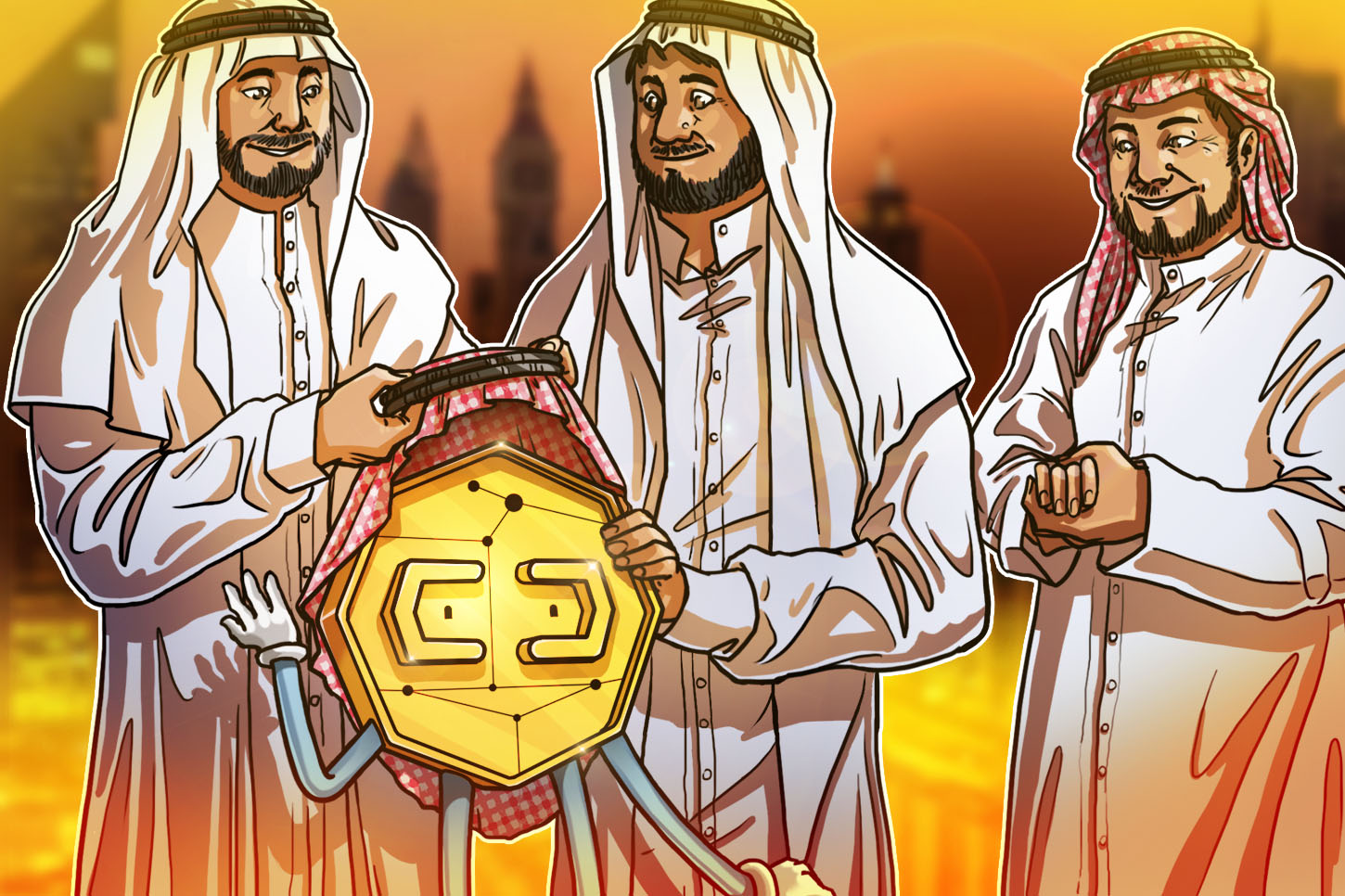
VARA and Securitize signed a Memorandum of Understanding to advance tokenization infrastructure in Dubai, marking a formal commitment to develop regulatory frameworks and technical standards for digital asset issuance in the Emirates' financial hub.
The agreement positions both platforms to collaborate on real-world asset tokenization, a market segment that attracts institutional capital seeking exposure to physical assets through blockchain infrastructure. VARA, the Virtual Assets Regulatory Authority operating under the Dubai Financial Services Authority, brings regulatory credibility and sandbox access. Securitize, a leading tokenization platform with deep experience in securities issuance and compliance, contributes technical expertise and operational scale.
The partnership addresses a core challenge in tokenization adoption: regulatory uncertainty. Dubai has positioned itself as a crypto-friendly jurisdiction, but the region lacks clear guidance on how tokenized stocks, bonds, commodities, and real estate should operate within existing financial frameworks. This MoU establishes a formal exploration of those rules.
For Securitize, the deal represents geographic expansion into the Middle East, where petrodollars and sovereign wealth funds show increasing interest in tokenized asset structures. The company already operates platforms for issuing tokenized securities and managing cap tables, but Middle Eastern institutional players represent an underexplored customer base. Securitize's investor base includes major fintech backers, and Middle East partnerships enhance its institutional positioning ahead of broader adoption timelines.
For VARA and Dubai's financial authorities, the partnership signals intent to build a competitive tokenization ecosystem that rivals traditional financial centers. The UAE competes directly with Singapore, Switzerland, and Hong Kong for blockchain infrastructure investment. A clear regulatory path for tokenization could attract global platforms and institutional issuers to Dubai's free zones and regulated entities.
The collaboration likely covers several technical and policy areas. RWA tokenization standards remain nascent across jurisdictions. The MoU probably addresses asset custody, settlement finality, investor accreditation, and how tokenized instruments interact with existing securities regulations. Dubai's existing regulatory sandbox mechanism provides a testing ground for new products without full compliance burden initially.
Market context matters here. Global tokenization of real-world assets crossed $5 billion in total value in 2024, with growth accelerating across real estate, commodities, and fixed-income instruments. Institutional investors increasingly view tokenization as infrastructure for fractional ownership, faster settlement, and 24/7 market access. Regulatory clarity becomes a bottleneck as volumes scale. Jurisdictions that establish clear rules early capture first-mover advantages in becoming global hubs.
The timing also reflects post-regulation momentum in crypto. Dubai's VARA itself launched in 2023 with explicit focus on fostering innovation while protecting consumers. This MoU extends that mandate into the tokenization of traditional assets, bridging traditional finance and blockchain infrastructure.
Securitize's involvement brings credibility to the effort because the company operates under existing securities frameworks in multiple jurisdictions and understands compliance complexity. The firm's participation signals that meaningful tokenization requires hybrid infrastructure combining blockchain rails with traditional financial plumbing.
The MoU remains preliminary, likely setting the stage for formal pilot programs or regulated offerings within six to twelve months. Watch for announcements of specific tokenized asset issuances on Securitize's platform backed by VARA licensing. Initial pilots probably target high-net-worth investors or institutional clients rather than retail markets.