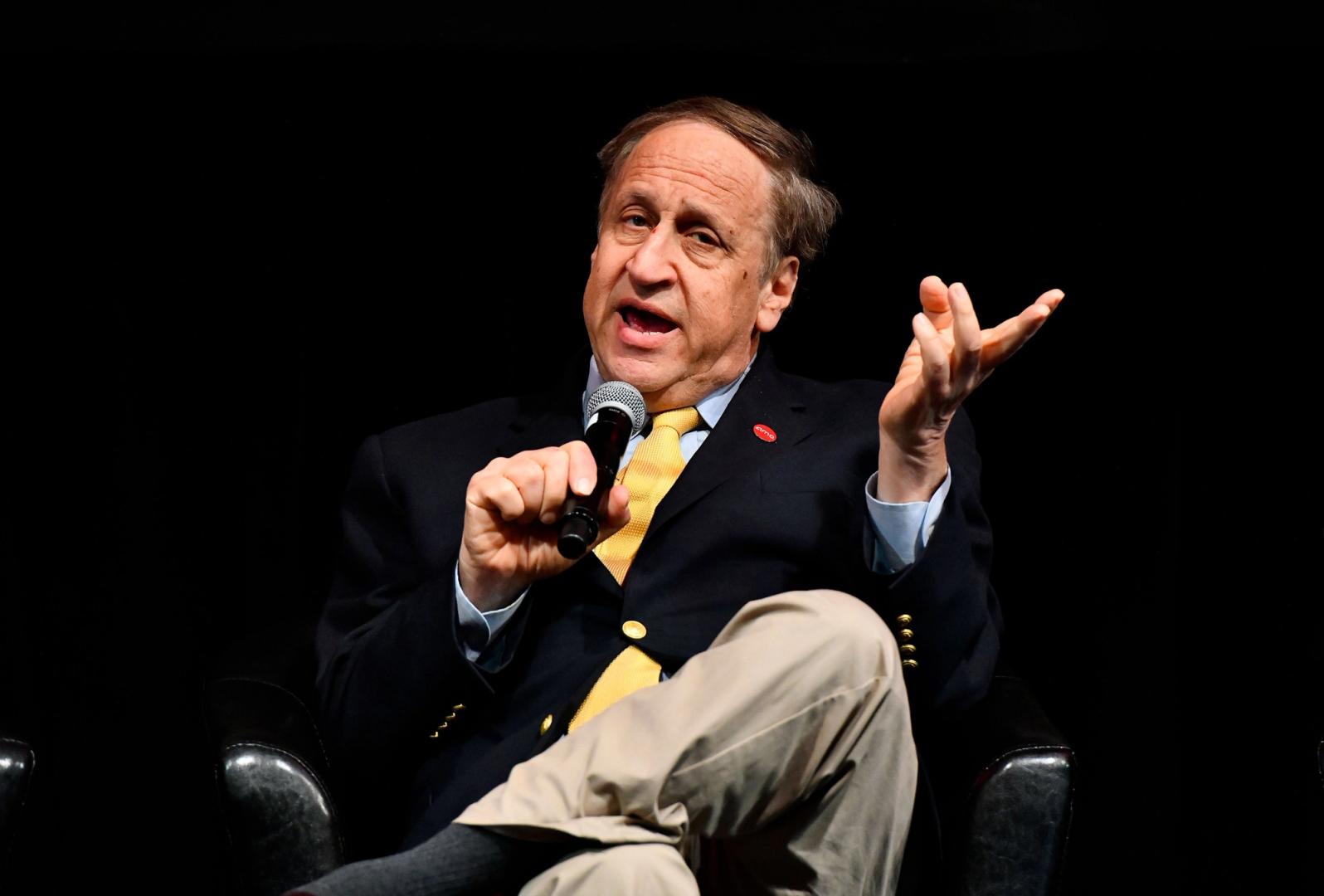
Adam Aron, CEO of AMC Entertainment, has called on Robinhood to halt issuance of its AMC stock token, citing concerns that synthetic shares could cannibalize demand for the underlying equity and deprive token holders of fundamental shareholder protections.
Robinhood launched its tokenized securities program to allow fractional ownership and faster settlement on blockchain infrastructure. The stock tokens represent claims on actual shares held in custody, but holders do not possess voting rights or dividend entitlements. This structural gap between the token and the real asset forms the crux of Aron's objection.
"When you buy our stock token, you're not a shareholder," Aron effectively argued. The distinction matters. Real AMC shareholders can vote on company matters, receive dividends if declared, and exercise other ownership privileges. Token holders get price exposure only. Robinhood holds the underlying shares in its own name, making token purchasers creditors of Robinhood rather than shareholders of AMC.
The tokenization sector itself splits on this issue. Some executives in the space backed Aron's position, recognizing that stripped voting rights create a two-tier shareholder structure that undermines governance principles. Others defend the token model as a natural evolution of market infrastructure, arguing that fractional, tokenized access lowers barriers to participation and that most retail investors never vote anyway.
The debate exposes a structural tension in blockchain-based finance. Tokenization solves real problems: settlement speed, custody efficiency, and capital access. But recreating securities on-chain without full economic and governance rights creates a product that looks like a stock but functions differently. Investors may not grasp this distinction at purchase time.
Robinhood has not publicly responded to Aron's direct request to stop issuing AMC tokens. The company argues its token program operates within regulatory boundaries. Fractional share offerings have existed for years through traditional brokers, and tokenization simply digitizes that model. The SEC has not issued blanket guidance against stock tokens, though enforcement actions against unregistered tokenized securities offerings persist.
The timing reflects growing mainstream attention to digital asset wrapper structures. As more traditional brokers and fintech platforms test tokenization, asset issuers like AMC gain standing to object. Aron's public pressure may force Robinhood to clarify terms or reconsider token issuance for specific securities.
For crypto infrastructure companies building tokenization platforms, this clash signals regulatory and reputational headwinds. Asset issuers can weaponize their brand and shareholder base to resist tokenization they view as disadvantageous. That leverage may shape how brokers design token programs going forward.
The underlying tension persists: tokenized securities that lack full shareholder rights occupy an awkward middle ground. They're not quite equities and not quite derivatives. Until regulators clarify whether tokenized share representations require full economic and voting equivalence, companies will keep objecting and platforms will keep testing the boundaries.