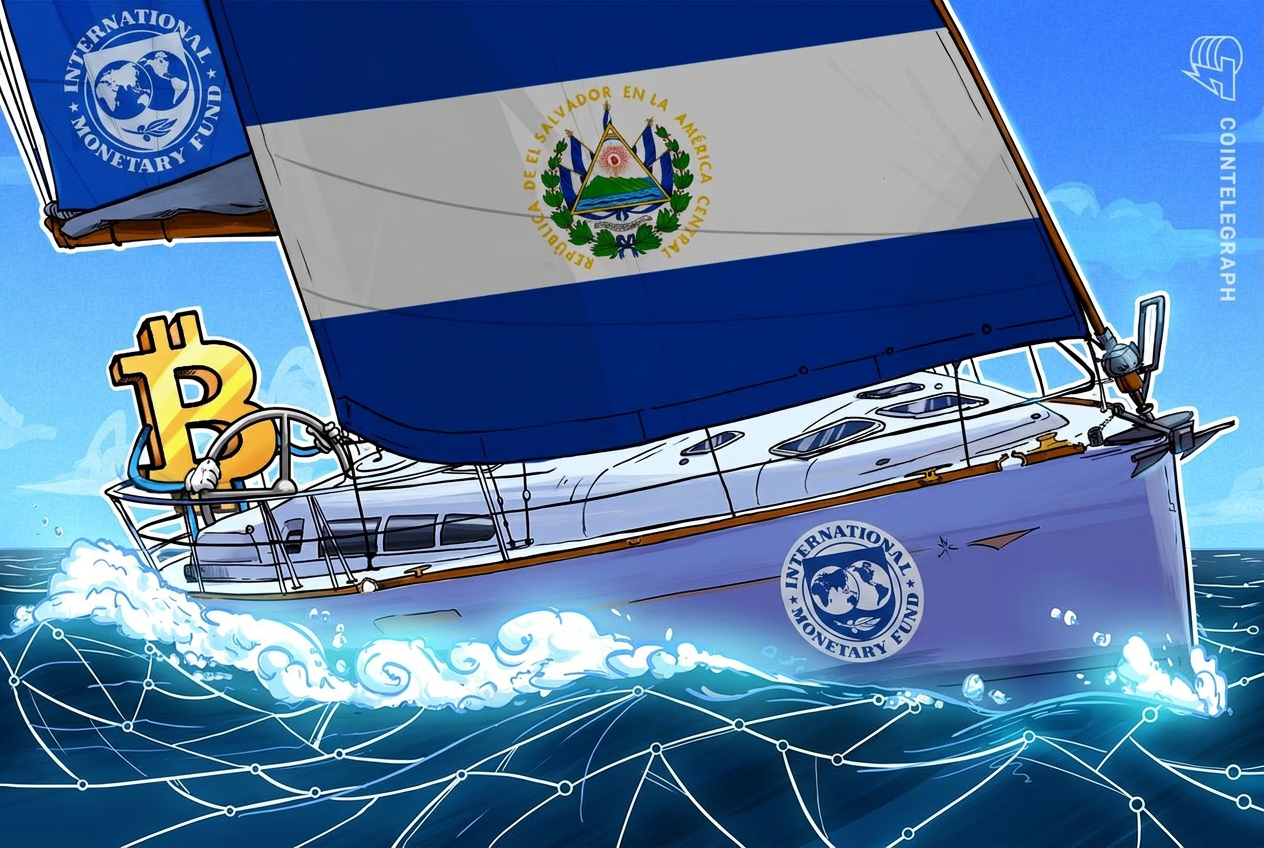
El Salvador's recent Bitcoin accumulation has sparked clarity around funding sources. The International Monetary Fund confirmed that Bitcoin holdings added since June 2025 originated from private donations rather than public treasury resources. This distinction matters because it directly addresses IMF concerns about fiscal discipline and sovereign debt management.
The backdrop here involves El Salvador's complex relationship with the IMF over Bitcoin policy. When Nayib Bukele's government made Bitcoin legal tender in 2021, it bypassed traditional IMF approval processes. Subsequent negotiations centered on whether Bitcoin holdings represented fiscal risk or legitimate asset diversification. The IMF historically disfavors unproven monetary assets on government balance sheets, viewing them as volatility vectors rather than stable reserves.
El Salvador reported acquiring approximately $100 million in additional Bitcoin holdings. The IMF's clarification that these came through private donations rather than state coffers resolves a tension point in ongoing negotiations. It signals that the country maintained fiscal restraint while expanding its crypto exposure. This separation between public and private Bitcoin accumulation allows the government to pursue Bukele's Bitcoin agenda without violating IMF program conditions around budget discipline.
The timing carries weight. The June 2025 cutoff mentioned in the IMF statement coincides with recent IMF review cycles. El Salvador has pursued IMF program support while maintaining its Bitcoin stance. The Fund typically requires signatory nations to demonstrate fiscal responsibility, which includes transparent accounting of asset acquisitions. By confirming that new Bitcoin came through private channels, the IMF effectively stamps approval on the funding mechanism without endorsing Bitcoin as policy.
Private donations suggest multiple pathways. High-net-worth Bitcoin advocates, cryptocurrency organizations, or international figures aligned with Bukele's Bitcoin vision could have contributed. El Salvador established a Bitcoin Trust in September 2021 to hold the nation's Bitcoin reserves. This structure allows for private contributions to be housed alongside sovereign holdings while maintaining separate accounting.
The distinction also reflects evolving IMF flexibility. The Fund has historically viewed Bitcoin as speculative and unsuitable for reserve management. However, El Salvador's track record with Bitcoin holdings and Bukele's political capital have created space for nuanced positions. Rather than flatly rejecting Bitcoin accumulation, the IMF now differentiates between sovereign expenditures and private capital flows.
What changes next depends on Bitcoin's price trajectory and El Salvador's fiscal health. If Bitcoin appreciates significantly, the private donations gain market value that benefits the state indirectly through the Bitcoin Trust structure. If Bitcoin falls sharply, the private nature of recent additions shields El Salvador's core budget from criticism about wasted public resources.
El Salvador's approach reveals a sophisticated workaround to IMF constraints. The government pursues Bitcoin adoption while maintaining IMF program compliance through careful categorization of funding sources. This framework allows Bukele to project Bitcoin enthusiasm domestically while meeting international lender expectations around fiscal discipline.
The IMF's acceptance of this distinction indicates a pragmatic shift. Rather than ideological opposition to crypto reserves, the Fund focuses on preventing Bitcoin purchases from destabilizing sovereign finances. Private donations pose no immediate fiscal burden, creating a path where both El Salvador and the IMF can claim victory in their ongoing negotiations around monetary policy.