# Prediction Markets Edge Toward Supreme Court Battle Over Federal Authority
New Jersey filed a petition for a writ of certiorari last week in its ongoing dispute with Kalshi, the crypto-native prediction market platform. The move escalates a jurisdictional clash that reaches to the Supreme Court and shapes whether federal regulators or state governments control digital prediction markets.
Kalshi has fought state-level restrictions on its contracts for months. The platform allows users to trade on outcomes of political elections, economic data releases, and other events. New Jersey blocked Kalshi from operating within its borders, claiming the Commodity Futures Trading Commission (CFTC) lacked authority to approve prediction market contracts that the state viewed as gambling.
The CFTC granted Kalshi a Designated Contract Market (DCM) license in September 2024, clearing the way for the platform to offer certain event contracts nationwide. New Jersey challenged this approval, arguing that federal regulators overstepped their mandate. The state positioned itself as the guardian of consumer protection and gaming law.
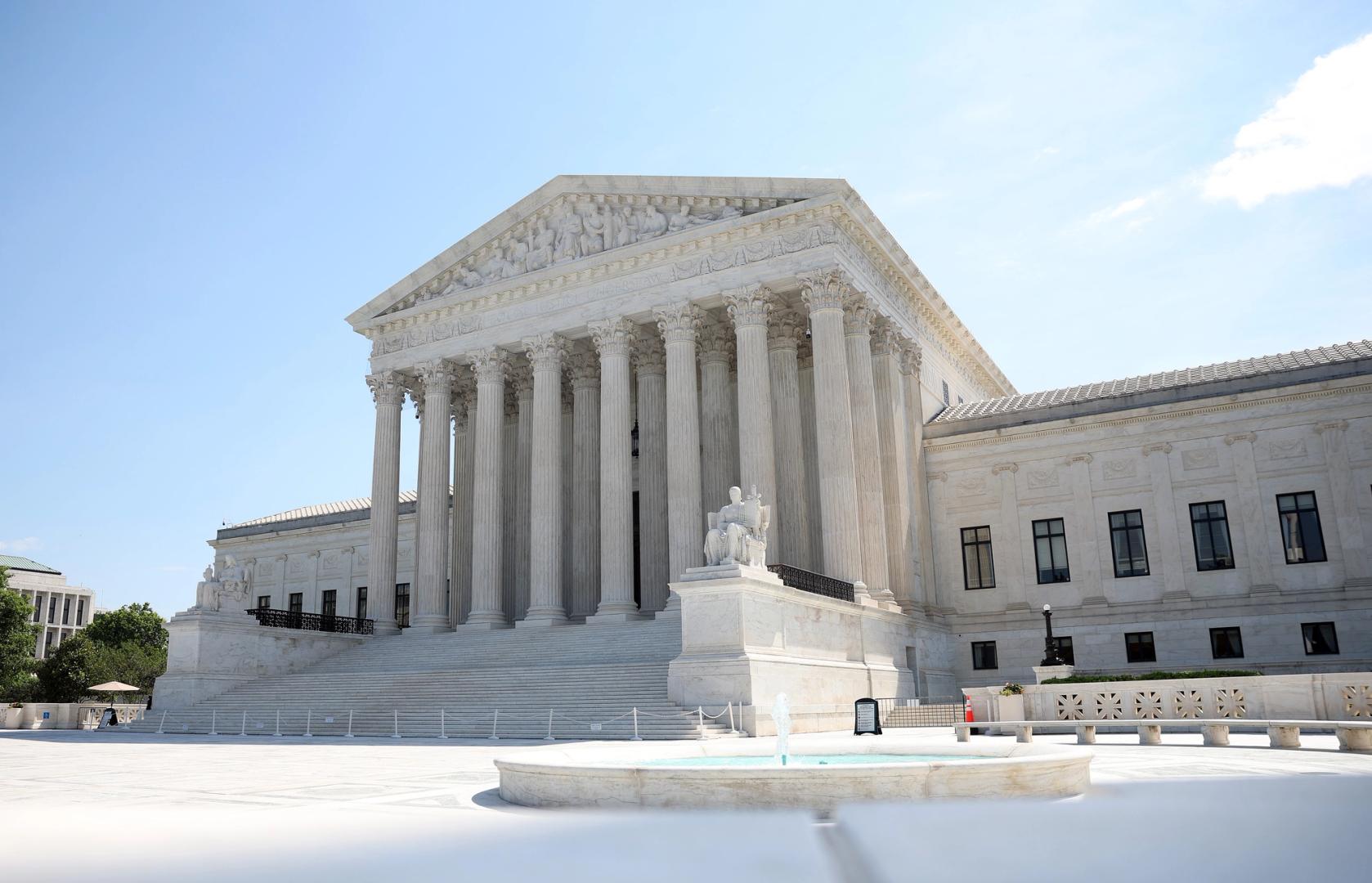
Now the certiorari petition puts the case directly in front of the nation's highest court. The Supreme Court receives thousands of petitions annually and accepts only a fraction for oral arguments. A grant here would signal that justices view the regulatory question as genuinely unsettled or consequential enough to require definitive guidance.
The stakes cut deeper than one platform. Prediction markets operate at the intersection of finance, gambling, and information markets. Courts have historically treated prediction markets with skepticism, conflating them with sports betting and casino gambling. But prediction markets generate liquid price signals that reflect real-world probabilities. Traders bet money on what will happen, creating a crowdsourced forecast mechanism.
The CFTC sees prediction markets as derivatives that fall squarely under federal commodity law. State gambling regulators see them as games of chance requiring state licensing. These positions clash fundamentally. A state cannot regulate away federal authority, but federal agencies cannot override state police powers unless Congress explicitly grants that power.
The regulatory framework tilts toward Washington in commodity derivatives. The CFTC controls futures contracts, swaps, and related instruments. Kalshi's arguments rest on showing that election and economic outcome contracts are commodities, not games. The CFTC agreed. New Jersey disagrees.
Political prediction markets carry extra weight. The 2024 election cycle saw explosive growth in prediction market volume, particularly on Polymarket and other platforms. Some operate offshore to avoid U.S. regulation entirely. Others exist in legal gray zones. Legitimizing domestic prediction markets through court precedent could unlock trillions in trading activity currently scattered across decentralized finance and unregulated exchanges.
A Supreme Court decision either validates federal authority over prediction markets or opens the door for state-by-state fragmentation. The former scenario favors platforms like Kalshi that obtained federal approval. The latter scenario emboldens states to impose their own rules, creating compliance complexity for national platforms.
The crypto industry watches closely. Decentralized prediction markets built on blockchain technology face the same questions. If the Supreme Court sides with New Jersey, even decentralized platforms face pressure from state regulators. If the court backs the CFTC, the regulatory path clarifies.
No timeline exists for when the Supreme Court will rule on certiorari. The justices could grant the petition within months or deny it without comment. Until then, Kalshi operates with federal approval while New Jersey disputes that approval's validity.