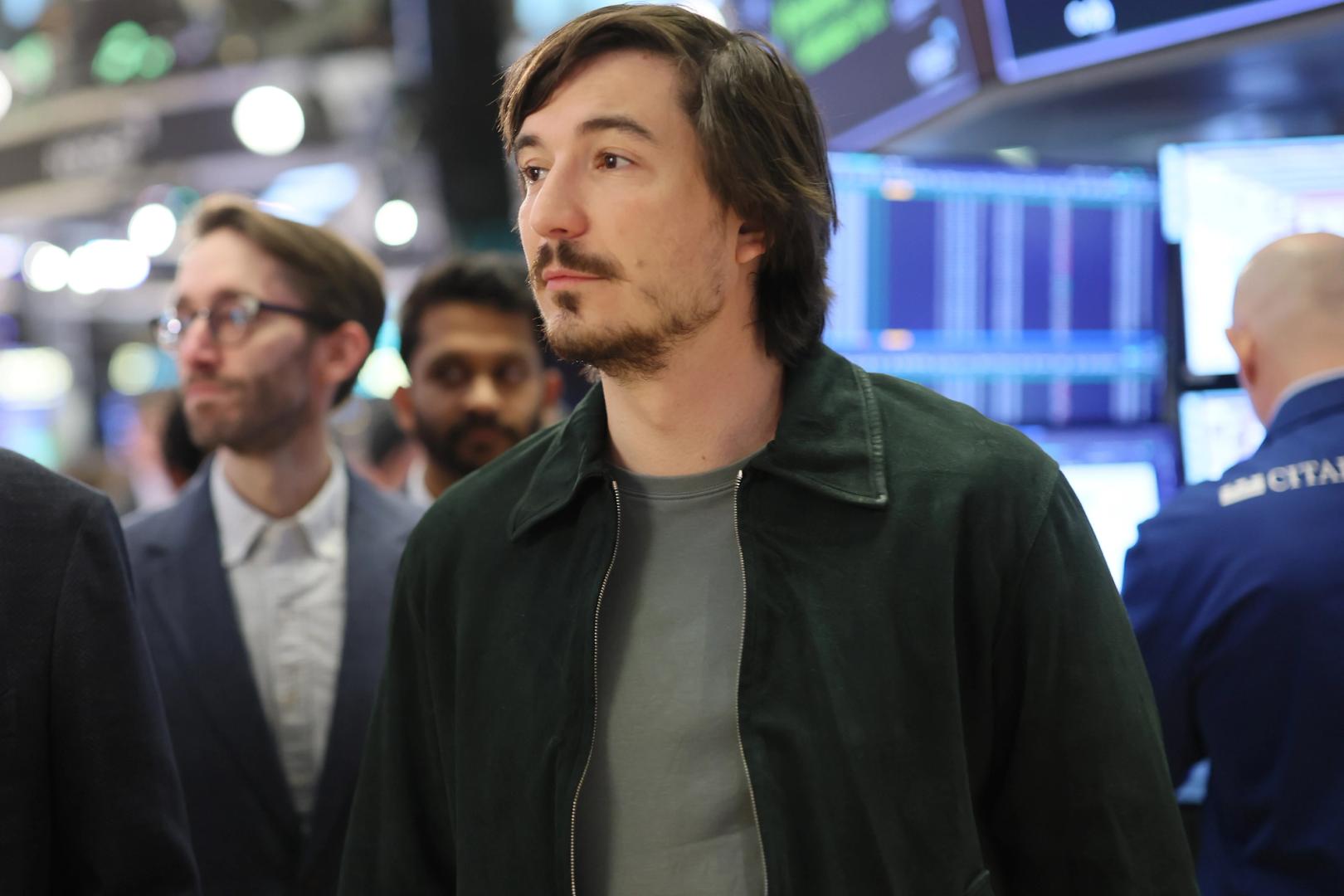
Robinhood CEO Vlad Tenev escalated his dispute with AMC Entertainment CEO Adam Aron over tokenized stocks, arguing that public companies should not retain veto power over third-party securities referencing their shares.
Speaking on CNBC's "Squawk Box" Wednesday, Tenev pushed back against Aron's recent criticism of Robinhood's stock tokenization efforts. The conflict centers on whether companies like AMC can block brokers from creating token-based versions of their publicly traded shares.
Tenev's position reflects a fundamental tension in crypto finance. Once a company's stock trades publicly, the underlying asset exists in liquid markets. Multiple parties can create derivatives, ETFs, or tokenized versions without company consent. Stocks trade on exchanges worldwide. No single issuer controls secondary market instruments built around them.
Aron has positioned AMC as blockchain-friendly, backing alternative investment options and exploring cryptocurrency ventures. Yet his recent statements opposing Robinhood's token offering reveal limits to that vision. Aron appears concerned about fractional ownership, potential confusion with official AMC channels, or loss of control over how the brand appears in crypto spaces.
The tokenized stock debate sits at the intersection of traditional finance and digital assets. Robinhood's efforts to tokenize equities could democratize market access. Tokenized stocks allow fractional ownership, 24/7 trading, and settlement in minutes rather than days. They eliminate intermediaries for certain transactions. Yet they also create regulatory gray areas and brand-perception risks for companies.
Regulators have remained cautious about stock tokenization. The SEC and FINRA haven't issued clear guidance on whether brokers need issuer approval. Robinhood operates within a regulated brokerage framework, which offers some legal cover. However, tokenizing securities without issuer coordination carries reputational and legal hazards.
Tenev's comments suggest Robinhood believes regulatory permissions suffice. If a broker holds proper securities licenses and maintains custody standards, tokenizing reference securities should fall within their authority. This mirrors how banks issue options or derivatives on stocks without company permission.
AMC's resistance highlights corporate concerns about losing narrative control. Stock tokens create new trading venues and settlement mechanisms outside traditional exchanges. AMC cannot monitor all transactions or ensure token holders receive equivalent rights to traditional shareholders. This creates liability risks and brand dilution.
The broader crypto industry watches this dispute closely. Stock tokenization represents a $100 trillion-plus addressable market. Exchanges, brokers, and fintech firms are racing to capture this space. Robinhood's move signals that mainstream players will push tokenization forward regardless of issuer objections.
Yet Aron's resistance also matters. If major corporations successfully block tokenization efforts, the market fragments. Projects might tokenize smaller companies willing to cooperate or create synthetic tokens that skirt regulations. The outcome shapes whether stock tokenization becomes a mainstream financial tool or remains confined to crypto-native platforms.
Tenev's "Squawk Box" appearance serves a strategic purpose. By framing this as a matter of market principle rather than corporate greed, Robinhood positions itself as pro-competition. The company argues that third-party innovation around public securities benefits retail investors and market efficiency. Aron's veto would represent special treatment for one company.
This escalation signals longer battles ahead. As tokenization technology matures and regulatory clarity emerges, more companies will face similar decisions. The Robinhood-AMC clash previews how traditional corporations will respond to blockchain-based secondary markets built around their assets.