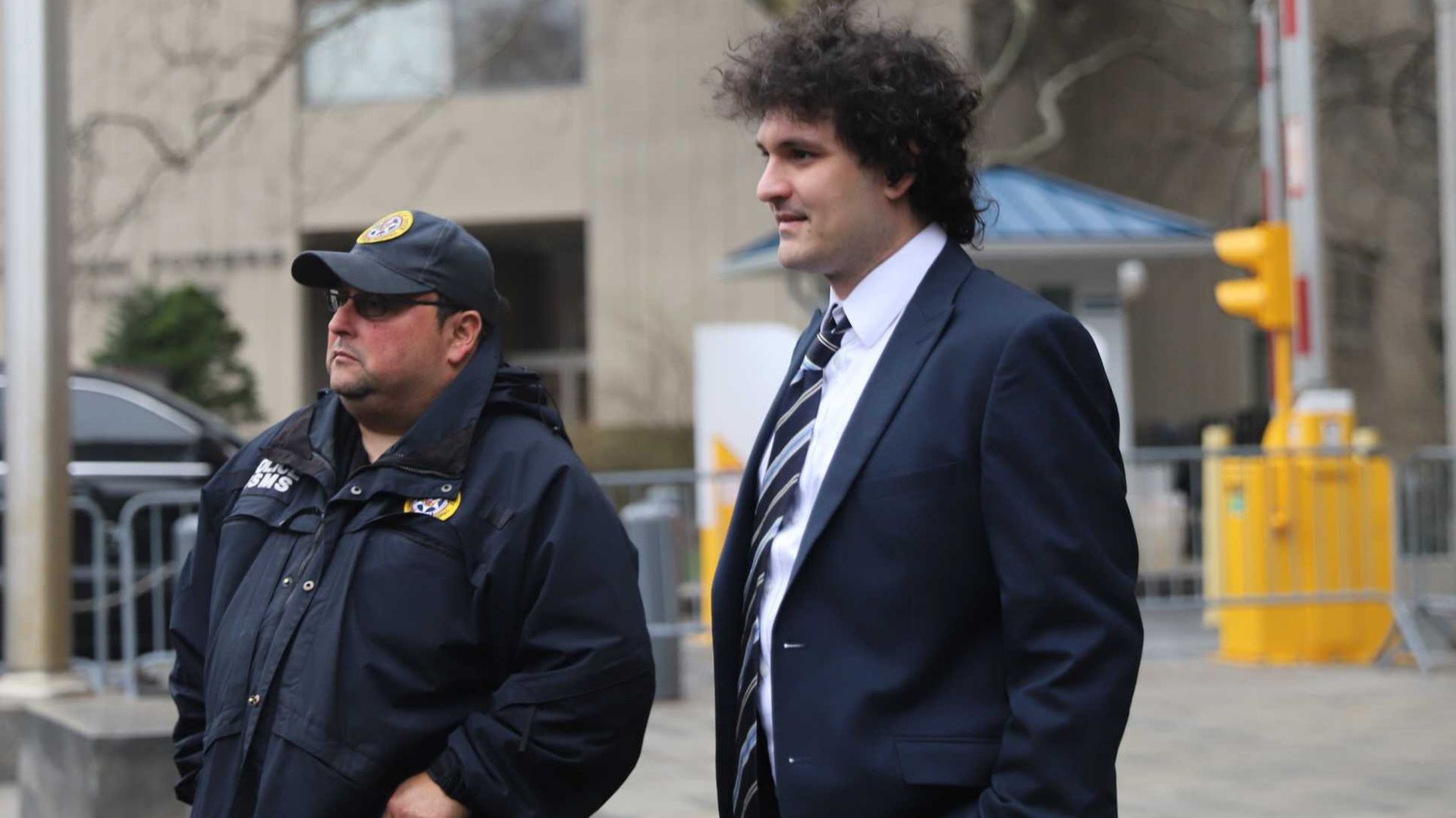
Sam Bankman-Fried sits in federal detention awaiting the Supreme Court's response to his legal petition, marking the final chapter of a collapse that reshaped crypto's regulatory landscape. The imprisoned FTX founder has escalated his case beyond lower courts, hoping justices will intervene in what amounts to crypto's most consequential criminal trial in a decade.
Bankman-Fried faces multiple convictions from his November 2023 trial, where a Manhattan jury found him guilty on seven counts including wire fraud and conspiracy. He received a 25-year sentence in March 2024, but his legal team continues filing appeals and petitions seeking either sentence reduction or trial reversal. The Supreme Court petition represents his most ambitious legal maneuver yet.
The core of his argument centers on trial procedures and evidentiary rulings that his defense claims undermined his right to a fair hearing. His legal team contends that Judge Lewis Kaplan improperly limited testimony and excluded evidence that could have presented an alternative narrative around his decision-making at FTX. These procedural challenges form the backbone of appeals that will likely consume the next 12-24 months as the judicial system processes his filings.
What makes Bankman-Fried's case exceptional within crypto jurisprudence is its intersection of complex financial crime, exchange collapse, and political influence. Federal prosecutors proved he diverted roughly $8 billion in FTX customer funds to Alameda Research, his personal trading firm. The scheme destroyed one of crypto's most prominent platforms overnight and wiped out billions in customer deposits.
The Supreme Court rarely grants certiorari in criminal cases lacking constitutional questions of national scope. Bankman-Fried's petition would need to clear an exceptionally high bar. His lawyers must demonstrate either that lower courts misapplied established law or that the case presents novel constitutional dimensions warranting review. Early legal observers assess his chances as modest, though the sheer scale of the fraud and its industry impact create unusual circumstances.
Meanwhile, other FTX-linked figures face their own legal reckoning. Caroline Ellison, CEO of Alameda Research, received an 18-year sentence. Gary Wang, former CTO of FTX, pleaded guilty and cooperated extensively with prosecutors, receiving a more lenient three-year sentence. These staggered outcomes reflect prosecutors' leverage over insiders willing to testify against Bankman-Fried.
The imprisonment also serves as a regulatory milestone. The collapse triggered Congressional hearings, SEC enforcement actions against crypto platforms, and accelerated drafting of comprehensive digital assets legislation. Bankman-Fried's conviction established precedent that even founders of billion-dollar exchanges face serious criminal exposure for customer fund mishandling.
His current detention at a federal facility in Brooklyn keeps him separated from the crypto industry he once dominated. FTX's liquidators continue asset recovery efforts, and the bankruptcy estate pays claims to affected customers at reduced rates. Bankman-Fried's wealth effectively disappeared during prosecution, eliminating his ability to fund sophisticated legal defenses beyond what appellate public interest organizations might provide.
The Supreme Court's decision to grant or reject his petition will arrive within months. If denied, Bankman-Fried begins serving his 25-year sentence with limited legal remedies remaining. If granted, the case enters an unpredictable phase that could reshape precedent around executive liability in crypto fraud cases.