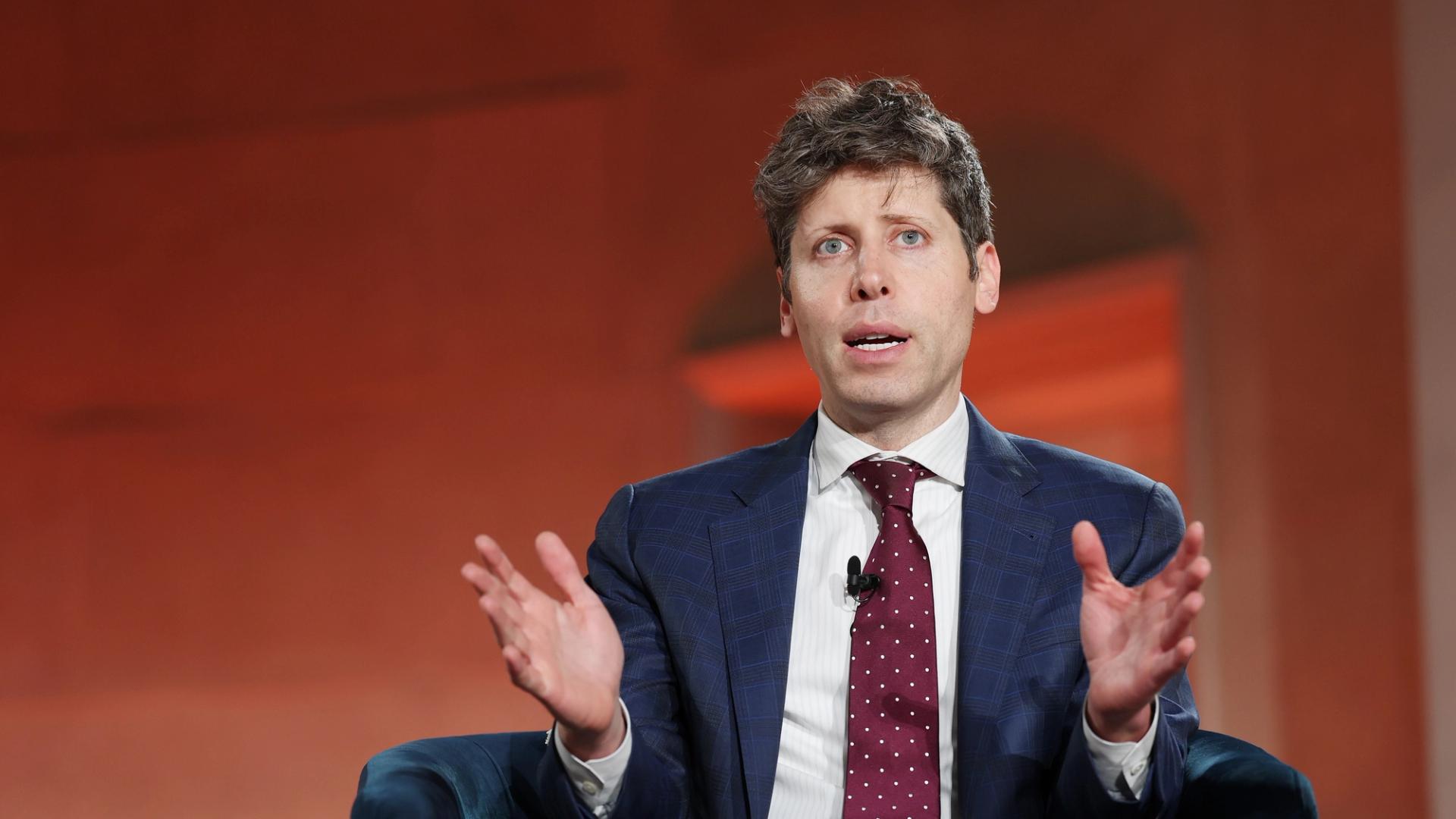
OpenAI will not pursue an initial public offering in 2024, CEO Sam Altman confirmed in remarks to Fortune. The decision centers on safety concerns that Altman believes make a public listing inappropriate at this moment.
"Given everything happening with safety, right now would be an ill-advised moment to go public," Altman stated. The comment signals that OpenAI's leadership views unresolved technical and governance questions around artificial intelligence safety as a barrier to the scrutiny and disclosure requirements that come with becoming a public company.
The timing matters. OpenAI operates in an environment where regulators globally are still forming frameworks for AI oversight. The company has faced internal turbulence, including the brief removal and reinstatement of Altman in November 2023, which raised questions about governance and board independence. A public offering would expose these dynamics to investor and regulatory examination at a moment when the company is still defining its safety standards and risk management protocols.
OpenAI's valuation has climbed substantially. The company was valued at $80 billion in its most recent funding round, making it one of the most expensive private companies globally. An IPO would unlock that value for investors and employees, but Altman's comments suggest the company views the timing as premature. Going public requires quarterly earnings disclosures, regulatory filings, and investor calls that could constrain OpenAI's ability to experiment with safety approaches or make rapid strategic shifts.
The statement also reflects pressure from multiple directions. Researchers and safety advocates have raised concerns about the pace of AI capability development. Some board members have questioned whether current governance structures adequately oversee the company's work. Regulators in the EU, UK, and US have proposed or enacted legislation aimed at controlling AI risks. Altman's framing of safety as the blocking issue acknowledges these pressures and positions OpenAI as prioritizing responsibility over speed to market access.
Altman did not rule out an IPO for future years. The comment applies specifically to 2024, leaving open the possibility that safety frameworks could mature enough within one or two years to support a public listing. By then, OpenAI may have clearer answers on model interpretability, alignment techniques, and deployment safeguards. Regulators may also finalize rules that create a more stable operating environment.
For investors and employees holding equity, the delay extends the period of illiquidity. Secondary markets and private equity investors have been active in trading OpenAI shares at valuations near the company's $80 billion private valuation, but a traditional exit remains off the table for now.
The IPO deferral contrasts with other AI companies pursuing public status. Anthropic, OpenAI's primary competitor in large language models, remains private but has raised over $5 billion in funding. Meanwhile, older tech companies like Nvidia have benefited enormously from the AI boom. OpenAI's decision to sit out 2024 suggests the company is calculating that addressing safety questions thoroughly outweighs the benefits of faster capital access.