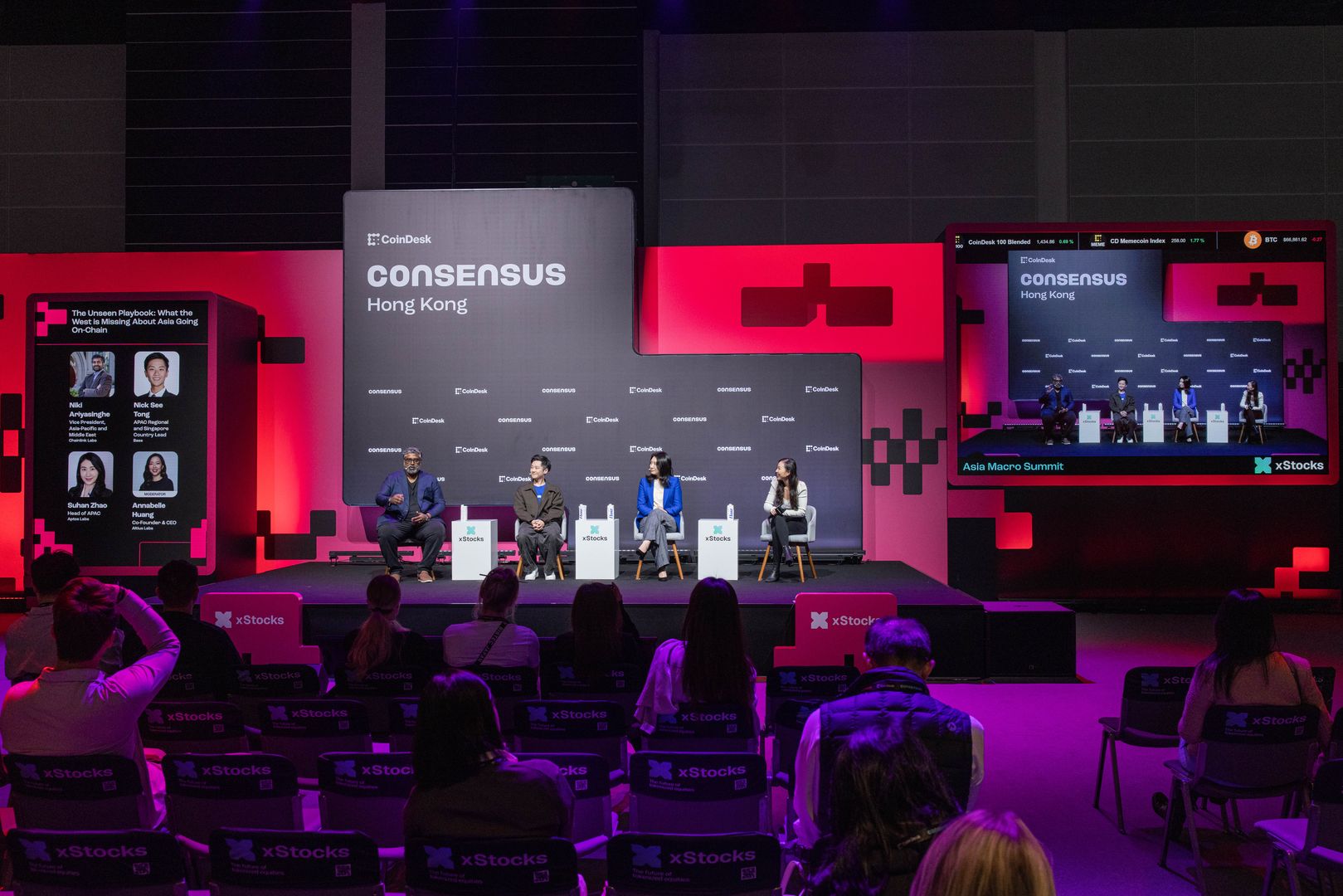
Consensus, CoinDesk's flagship annual conference, is returning to Hong Kong for its third consecutive year. The 2024 edition shifts strategic focus toward institutional adoption of digital assets and the intersection of artificial intelligence with financial infrastructure.
The conference represents a deliberate pivot from retail-focused discourse. Hong Kong's positioning as a global financial hub makes it an ideal venue for reaching institutional players, family offices, and sovereign wealth funds evaluating blockchain infrastructure at scale. This geographic choice reflects where real capital deployment decisions occur in Asia.
The AI integration angle marks a notable evolution in conference programming. Organizers are acknowledging that artificial intelligence has become central to how blockchain networks operate, how trading algorithms function, and how institutional players assess crypto assets. Machine learning powers market surveillance, portfolio optimization, and increasingly, autonomous smart contract execution. The conference will likely feature discussions on AI-driven market makers, predictive analytics for on-chain activity, and how institutions use machine learning to evaluate digital asset risk profiles.
Hong Kong's regulatory environment continues to matter significantly. The city maintains a more crypto-friendly stance than mainland China while occupying a unique position between Western and Asian regulatory frameworks. The Securities and Futures Commission's recent moves toward licensing crypto trading platforms and clearing houses create a more structured path for institutional entry. Consensus Hong Kong becomes a venue where policy makers, exchanges, and asset managers can align on standards for institutional-grade digital asset infrastructure.
Previous Consensus Hong Kong events established the conference as Asia's premier gathering for serious market participants. Unlike Miami or Austin editions of Consensus, the Hong Kong variant attracts fewer retail attendees and more institutional capital allocators. This positioning matters as the industry matures. Institutional adoption requires different messaging, technical depth, and deal flow than retail education.
The expanded AI focus also reflects broader industry trends. Major crypto firms now employ machine learning specialists. Exchanges use AI to detect wash trading and manipulation. Lending protocols employ AI to model liquidation risks. Protocol developers leverage AI to audit smart contracts. The conversation has moved beyond "is AI applicable" to "how do we best implement AI safely."
The conference timing also proves strategic. Scheduled for a period when regulatory clarity around crypto continues to develop globally, institutional investors need venues where they can meet protocol teams, exchange operators, and technology providers simultaneously. Deal flow accelerates at these gatherings. Service providers connect with potential clients. Policy conversations happen in side rooms between regulators and market participants.
CoinDesk's decision to maintain Hong Kong as a core conference location signals confidence in Asia's digital asset market despite near-term regulatory uncertainties. The expanded AI curriculum suggests the publication also recognizes that crypto discourse increasingly overlaps with broader fintech and financial infrastructure conversations where AI represents a shared frontier.
Expect the 2024 edition to feature more discussions on tokenization of real-world assets, institutional custody solutions, and how blockchain networks integrate AI-powered analytics. Sessions will likely focus on compliance automation, institutional trading infrastructure, and the competitive advantages AI provides in portfolio management. The retail trader audience will shrink further. Institutional sophistication will deepen.