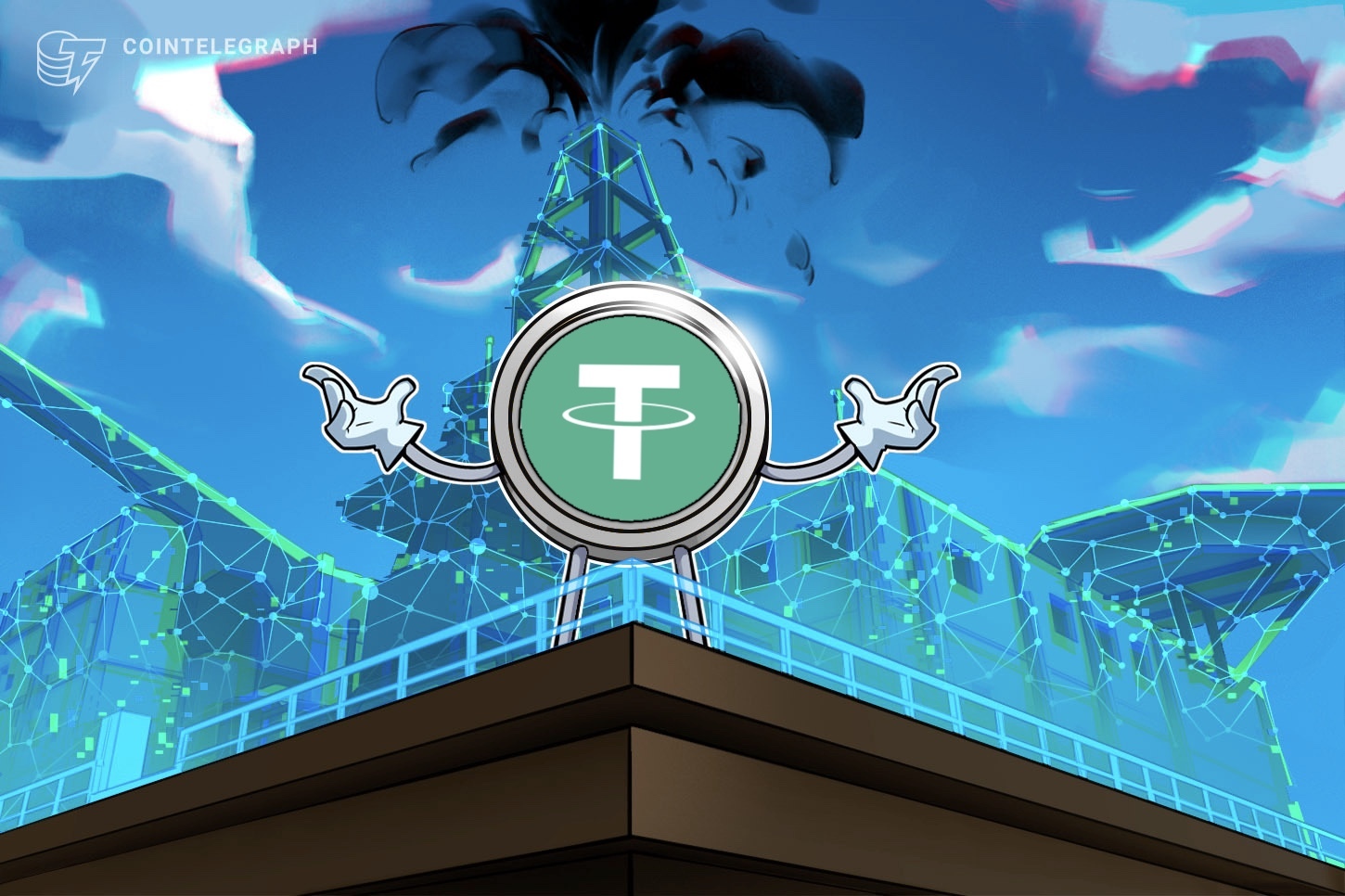
A Polish energy company lost $230 million in an oil trade that incorporated Tether's USDT stablecoin as a payment mechanism, according to reporting by the Financial Times. The failed transaction, which occurred in late 2023, highlights both the growing adoption of blockchain-based assets in traditional commodity trading and the financial risks that emerge when decentralized payment systems intersect with high-stakes energy markets.
The incident involves a major player in Poland's energy sector attempting to settle an oil purchase using USDT, the world's largest stablecoin by market capitalization. Tether has positioned USDT as a bridge asset for cross-border payments and commodity settlement, targeting exactly this use case: large institutional transactions that bypass traditional banking intermediaries. The $230 million loss suggests the trade either collapsed due to price volatility, counterparty default, or execution failure related to the blockchain-based payment layer.
This represents a tangible real-world test of stablecoin utility at scale. Tether has consistently marketed USDT for precisely these types of applications. The company claims its stablecoin enables faster settlement, lower costs, and reduced friction in international transactions. A major oil trade would theoretically validate this narrative. Instead, the failed deal exposes operational complexity and risk management gaps when integrating blockchain payments into commodity markets that rely on established (if slower) settlement infrastructure.
The timing matters. In late 2023, the cryptocurrency market was rebounding after the 2022 bear market. Institutional adoption narratives were gaining traction. Tether itself was defending against persistent skepticism about its reserve backing and regulatory exposure. A major energy company piloting USDT for commodity settlement would have signaled mainstream acceptance. The $230 million loss flips that narrative.
Several failure modes are plausible. A sudden price move in the underlying oil contract could have triggered margin calls or liquidation triggers, particularly if futures contracts were layered on top of the spot transaction. Counterparty risk materialized if one party failed to deliver either the oil or the USDT. Smart contract bugs or bridging failures on the blockchain side could have frozen or misdirected funds. A geopolitical event or regulatory action could have spooked one party into abandonment.
The Polish company likely pursued USDT settlement to reduce banking delays and correspondent bank fees. Traditional oil trades often involve multiple intermediaries and can take weeks to finalize. Blockchain settlement promises near-instant execution. That efficiency carries trade-offs. The irreversibility of blockchain transactions means error correction is harder. Price discovery becomes critical since there's no grace period for negotiation once tokens are transferred.
This incident matters for several constituencies. For Tether, it's a concrete example of stablecoin adoption at institutional scale. It also suggests operational risks that the company's marketing materials often gloss over. For Polish regulators, it raises questions about whether energy companies should be permitted to settle major commodity transactions through unregulated stablecoins without explicit licensing frameworks. For other enterprises considering blockchain-based settlement, it's a cautionary tale about due diligence and contingency planning.
The stablecoin industry continues growing regardless. Tether's USDT maintains dominance in offshore markets and emerging economies where banking access is limited or unreliable. Large trades using USDT will keep occurring. The $230 million loss serves as an expensive tuition payment for institutions learning where blockchain settlement works and where traditional banking, however slow, remains essential.