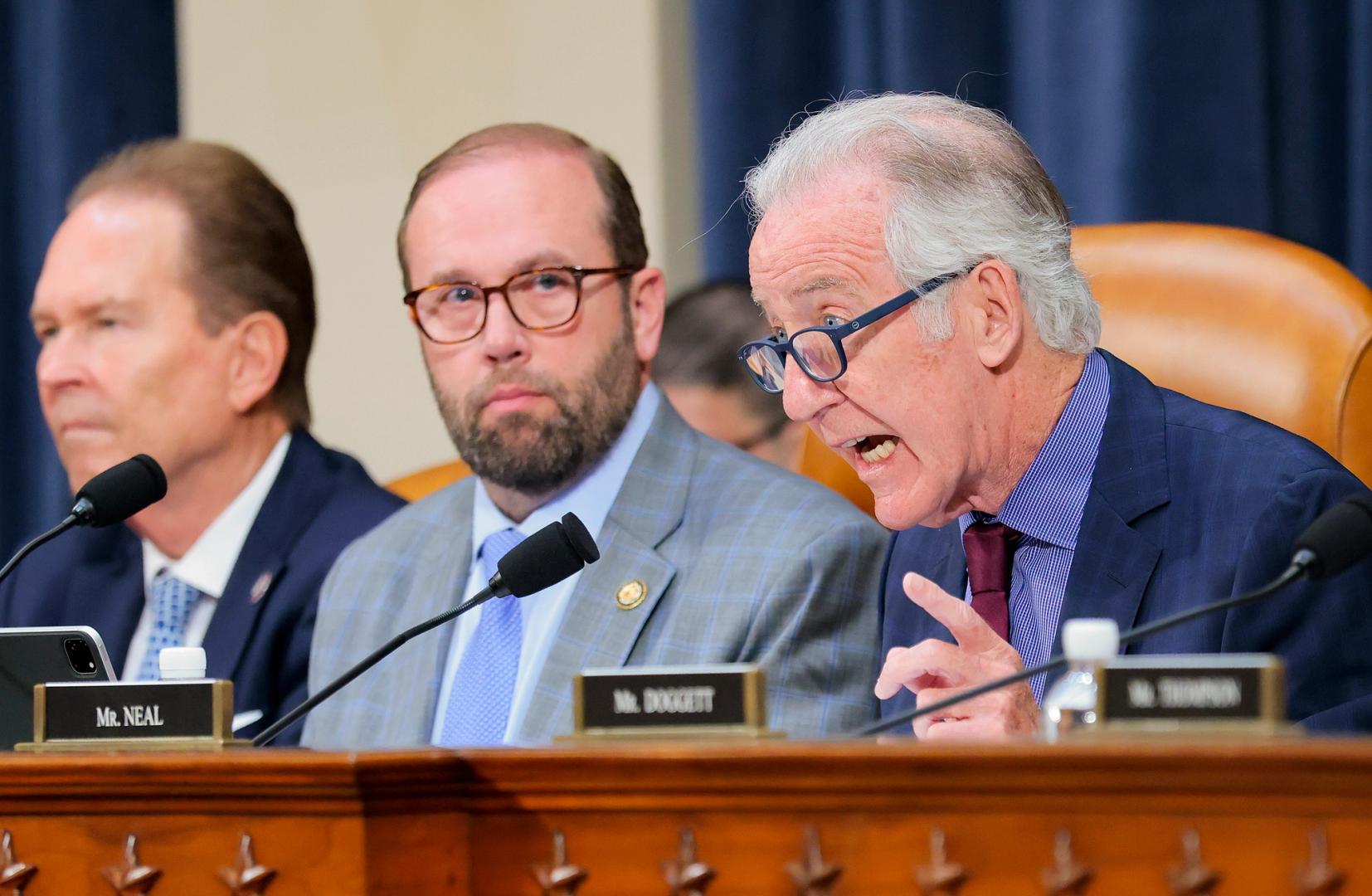
# House Tax Panel Pushes Crypto Tax Clarity Forward After Legislative Setback
The House Ways and Means Committee advanced the Digital Asset Tax Certainty Act, a bill designed to simplify how the IRS treats routine cryptocurrency transactions. The move comes after the broader Clarity Act failed to gain traction in the previous legislative cycle, signaling a tactical pivot toward narrower, more achievable tax relief for crypto users.
The Digital Asset Tax Certainty Act targets a specific pain point in crypto taxation: the IRS currently classifies most on-chain transactions as taxable events. This means swapping tokens, moving funds between wallets, or converting one cryptocurrency to another theoretically triggers capital gains reporting obligations. For retail users managing portfolios across multiple chains and protocols, this creates a compliance nightmare. The bill aims to establish de minimis thresholds and carve-outs for transactions below certain dollar amounts, exempting them from immediate reporting.
House committee advancement matters because it moves the bill closer to floor consideration. The Ways and Means Committee controls tax policy and holds substantial influence over what legislation reaches votes. Getting out of committee is often the critical bottleneck in tax legislation.
However, the bill's progress triggered pushback tied to former President Donald Trump's profile in crypto markets. Trump has taken a public stance supportive of the industry and holds personal stakes in crypto ventures, including his Truth Social platform's blockchain ambitions. Some committee members flagged concerns that advancing pro-crypto tax measures could appear to favor Trump's personal financial interests. This politicization reflects broader tension between crypto's need for coherent tax rules and the partisan skepticism that still surrounds the asset class.
The Clarity Act, which died in the previous Congress, took a wider approach. It proposed sweeping changes to how digital assets are taxed and regulated, including carving out crypto from securities definitions under certain conditions. Its failure left a regulatory and tax vacuum that crypto advocates have been working to fill through incremental legislation.
The Digital Asset Tax Certainty Act takes the incremental route. Rather than overhauling entire regulatory frameworks, it focuses on the immediate, practical burden: clarifying when small transactions need to be reported. This narrower scope makes it theoretically easier to pass because it doesn't trigger the same ideological resistance that broader crypto bills encounter.
The threshold question matters for implementation. The bill doesn't yet specify exact dollar amounts, but industry advocates have suggested amounts under $200 to $500 would reflect real-world utility without creating massive tax avoidance loopholes. The IRS has historically struggled to enforce crypto transaction reporting anyway, so realistic thresholds could actually improve compliance rather than undermine it.
What happens next depends on floor scheduling and whether Republican leadership brings it to a vote. The committee's advancement suggests internal support exists, but tax bills often face procedural hurdles. Democrats may resist if they view it as broadly pro-crypto, while some Republicans might hesitate if they remain skeptical of digital assets generally.
The underlying issue remains unresolved: the IRS has never issued clear guidance on how to treat certain crypto transactions, leaving taxpayers in legal gray areas. Until clearer rules exist through legislation or IRS guidance, retail users face a choice between over-reporting routine transactions and risking audit risk. This bill targets that specific problem, even if it leaves larger questions about crypto's regulatory status unresolved.