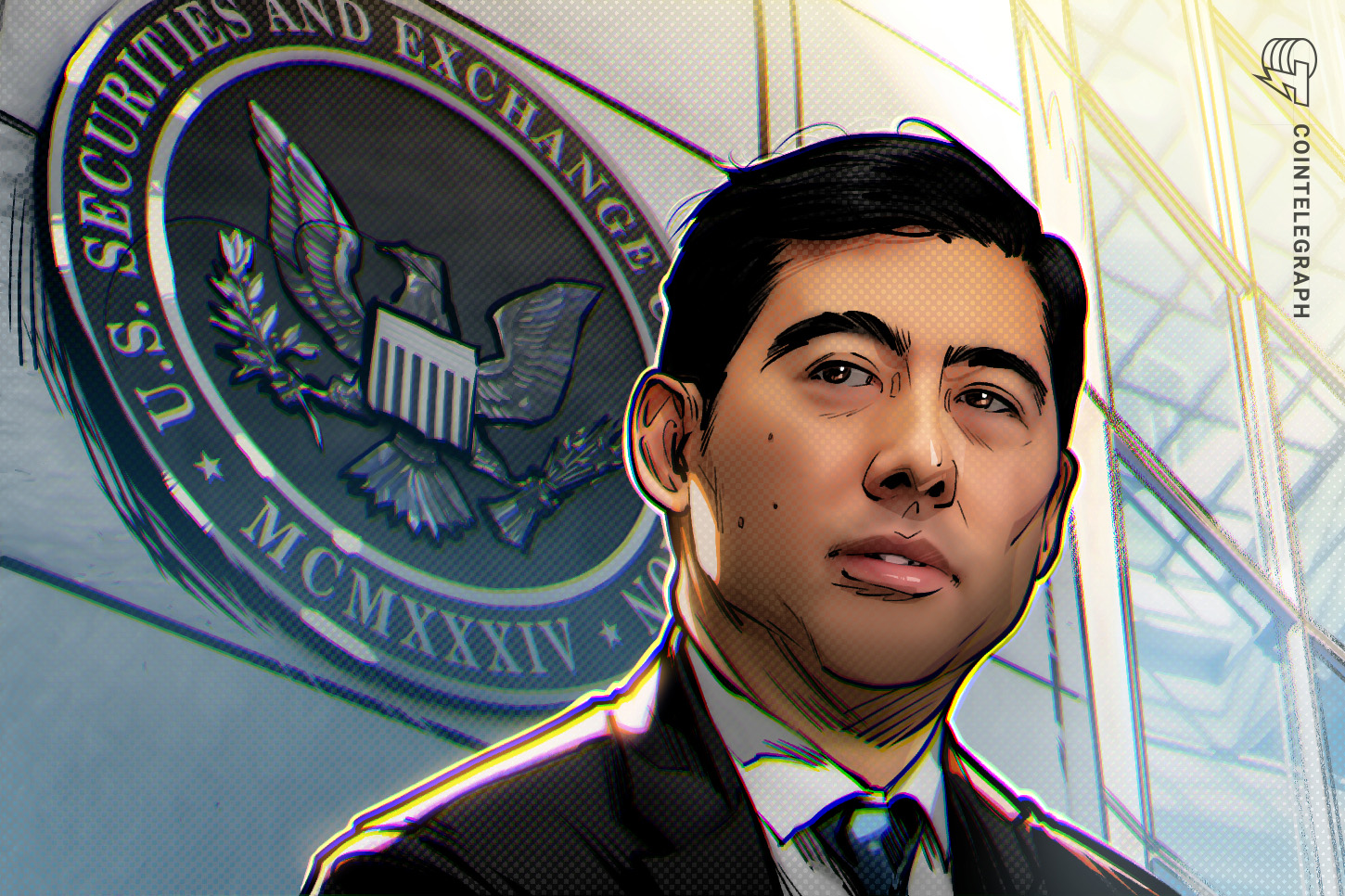
The SEC has issued a temporary Innovation Exemption that permits limited tokenized US stock trading on blockchain-based venues. The exemption marks a regulatory shift toward onchain equity markets while maintaining strict guardrails around transaction volumes and disclosure standards.
The exemption framework applies to registered securities that have been tokenized and traded on decentralized or blockchain-enabled platforms. Trading caps restrict daily and aggregate transaction sizes to prevent systemic risk exposure. Platforms operating under the exemption must meet enhanced transparency requirements, including real-time transaction reporting and participant identity verification.
The move reflects the SEC's pragmatic approach to digital asset innovation. Rather than outright prohibition, the agency has carved out a controlled pathway for tokenized stock experimentation. This differs sharply from the SEC's historical stance on unregistered digital securities, which it aggressively pursued through enforcement actions against platforms like Coinbase and BlockFi.
The temporary nature of the exemption is critical. It operates on a defined timeline, likely 12 to 24 months, giving the SEC runway to observe onchain equity trading patterns without permanent regulatory commitment. This allows the agency to gather data on custody practices, settlement mechanics, and systemic risks before deciding whether to make the exemption permanent or expand it.
Traditional equity brokers and new blockchain-native platforms can operate under the exemption, provided they register as broker-dealers or alternative trading systems (ATS) with the SEC. Existing compliance frameworks for securities trading still apply. Platforms cannot trade tokens representing penny stocks or securities with outstanding SEC enforcement actions.
The exemption excludes options, derivatives, and leveraged products. Only spot trading of fully registered, tokenized equities qualifies. Custody arrangements must use SEC-approved qualified custodians. Fractional shares are permitted but subject to minimum investment thresholds to prevent retail overexposure.
Tokenized stocks have gained traction through platforms like Polymarket and services from infrastructure providers Securitize and Synthetix. Traditional finance players including Nasdaq and Cboe have explored blockchain settlement layers for equities. The SEC exemption validates this trajectory without eliminating gatekeeping authority.
This decision follows months of pressure from industry participants and lawmakers advocating for clearer tokenization rules. The exemption responds to that pressure while preserving the SEC's enforcement discretion over non-compliant actors. Platforms that operate outside the exemption's boundaries remain subject to cease-and-desist orders.
The exemption also signals the SEC's pivot under new leadership. Prior administrations took harder lines on crypto assets. The current regulatory environment shows more appetite for structured innovation, particularly when it involves tokenizing existing securities rather than creating new asset classes.
Market implications extend beyond equity trading. Success with tokenized stocks could justify future exemptions for tokenized bonds, commodities, or derivatives. Asset managers view onchain trading as a path to 24/7 market access and faster settlement compared to traditional T+2 clearing cycles.
Compliance costs for platforms will rise. Real-time audit trails, participant KYC/AML integration, and segregated wallets require engineering investment. Smaller platforms may struggle with implementation costs, consolidating the market around well-capitalized players.
The exemption expires unless the SEC extends it. Renewal hinges on observed compliance rates, trading volumes, and any market disruptions during the pilot period. Platforms must document every exemption-covered trade and submit quarterly reports to the SEC. This data collection becomes the foundation for any permanent tokenization rulebook.