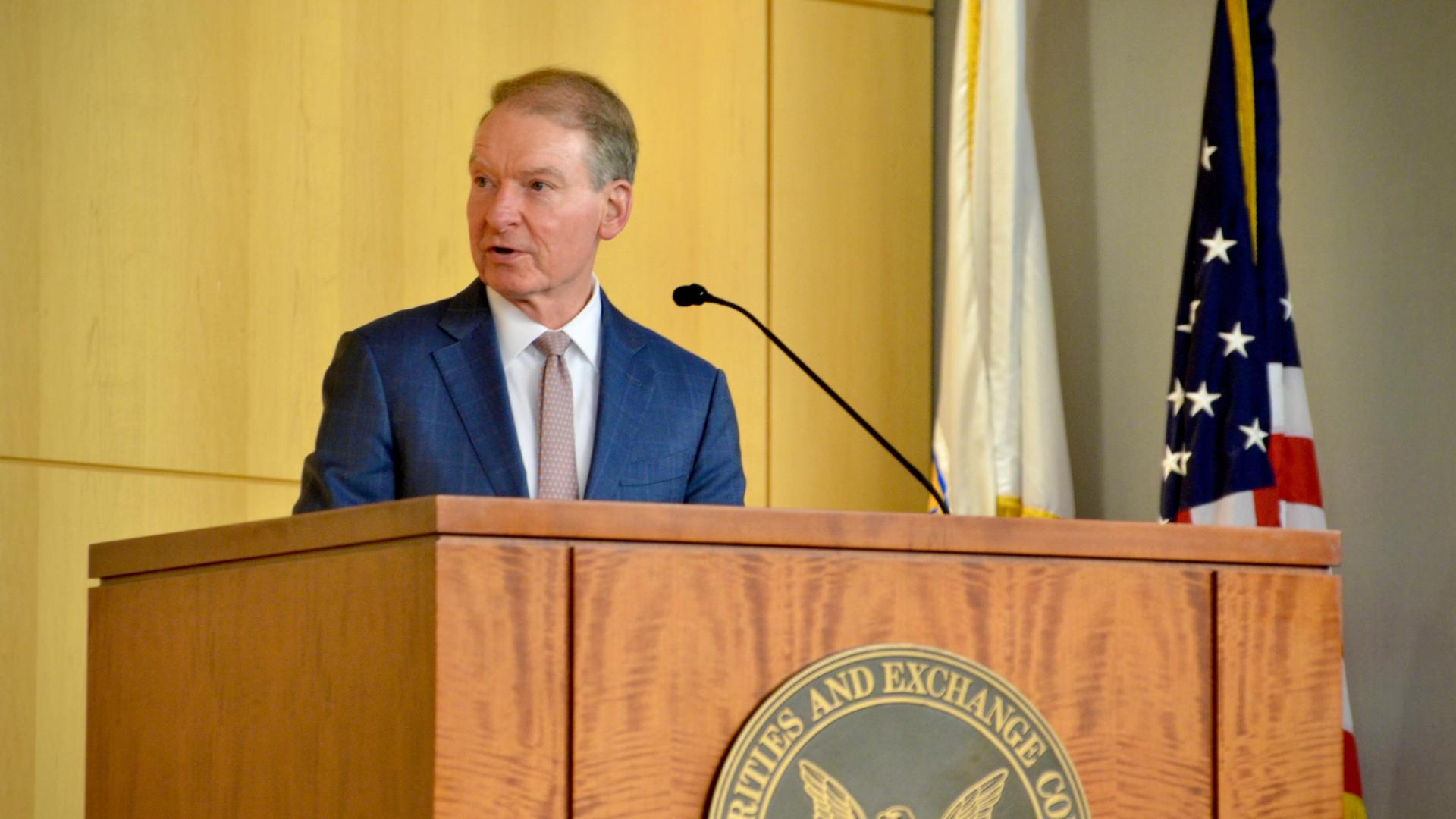
The SEC held a formal discussion on round-the-clock equity trading on the same day it greenlit tokenized securities, signaling the regulator's recognition that crypto market operations have fundamentally reshaped expectations around trading hours and settlement speed.
For decades, U.S. stock exchanges operated within fixed windows. The NYSE and Nasdaq close at 4 p.m. Eastern on weekdays, leaving institutional and retail traders locked out for 16 hours until the open bell rings. Bitcoin and Ethereum never stopped. The crypto market runs 24/7/365, with settlement near-instant and no gatekeepers controlling access hours.
The SEC's move into 24-hour trading explores a basic question: Why should equities remain trapped in an antiquated schedule when underlying technology can support continuous operation? The agency convened experts to discuss operational readiness, surveillance, clearance systems, and custody arrangements needed to shift traditional markets toward perpetual operation.
This timing matters. The same regulatory window that approved tokenized securities also opened discussion on permanent market hours. Tokenization converts shares and bonds into blockchain-native assets that settle immediately and trade without intermediaries. Once a security becomes a token, the case for keeping it offline during night and weekend hours collapses. If a tokenized Tesla share can trade at 3 a.m., why would a traditional Tesla share remain frozen until 9:30 a.m.?
The infrastructure gap appears narrowest at the custody and clearance layer. The Depository Trust and Clearing Corporation (DTCC), which processes nearly every U.S. equity trade, runs on batch settlement cycles that assume market closure. Moving to 24-hour trading demands real-time clearance, where trades settle instantly rather than T+2 (two days later). Blockchain-based settlement handles this natively. Traditional infrastructure does not.
Market surveillance presents another hurdle. Regulators currently leverage the market close to analyze trading patterns, detect manipulation, and investigate anomalies. A continuous market creates a monitoring problem of exponential complexity. The SEC would need systems running perpetually, flagging suspicious activity across an endless trade stream. Crypto exchanges manage this through algorithmic monitoring and network activity logs. Equities markets lack equivalent depth in that space.
Custody and operational resilience raise separate concerns. Banks and brokerages maintain trading floors and clearing operations staffed during regular hours. Extending to 24/7 requires either expanded staffing or fully automated systems. Crypto platforms built automation-first from inception. Traditional finance built staffing-heavy operations then bolted automation on top.
The decision to explore 24-hour trading reflects competitive pressure. If tokenized securities offer superior speed and access, traditional equities markets risk losing volume to blockchain alternatives. Nasdaq and NYSE already operate derivatives around the clock through electronic trading. Removing the arbitrary fence around equity trading becomes less a question of "if" and more a question of "when."
Some regional markets already moved toward extended hours. Extended Trading Session windows exist on major exchanges, though volumes remain thin. A full shift to 24-hour operation requires coordinated changes across custody, clearance, and surveillance infrastructure that only a regulator can mandate.
The SEC's discussion signals preparation. The agency recognizes that crypto's operational model represents not a temporary novelty but the direction markets will move. By beginning the groundwork now, regulators position themselves to shape that transition rather than react to it.