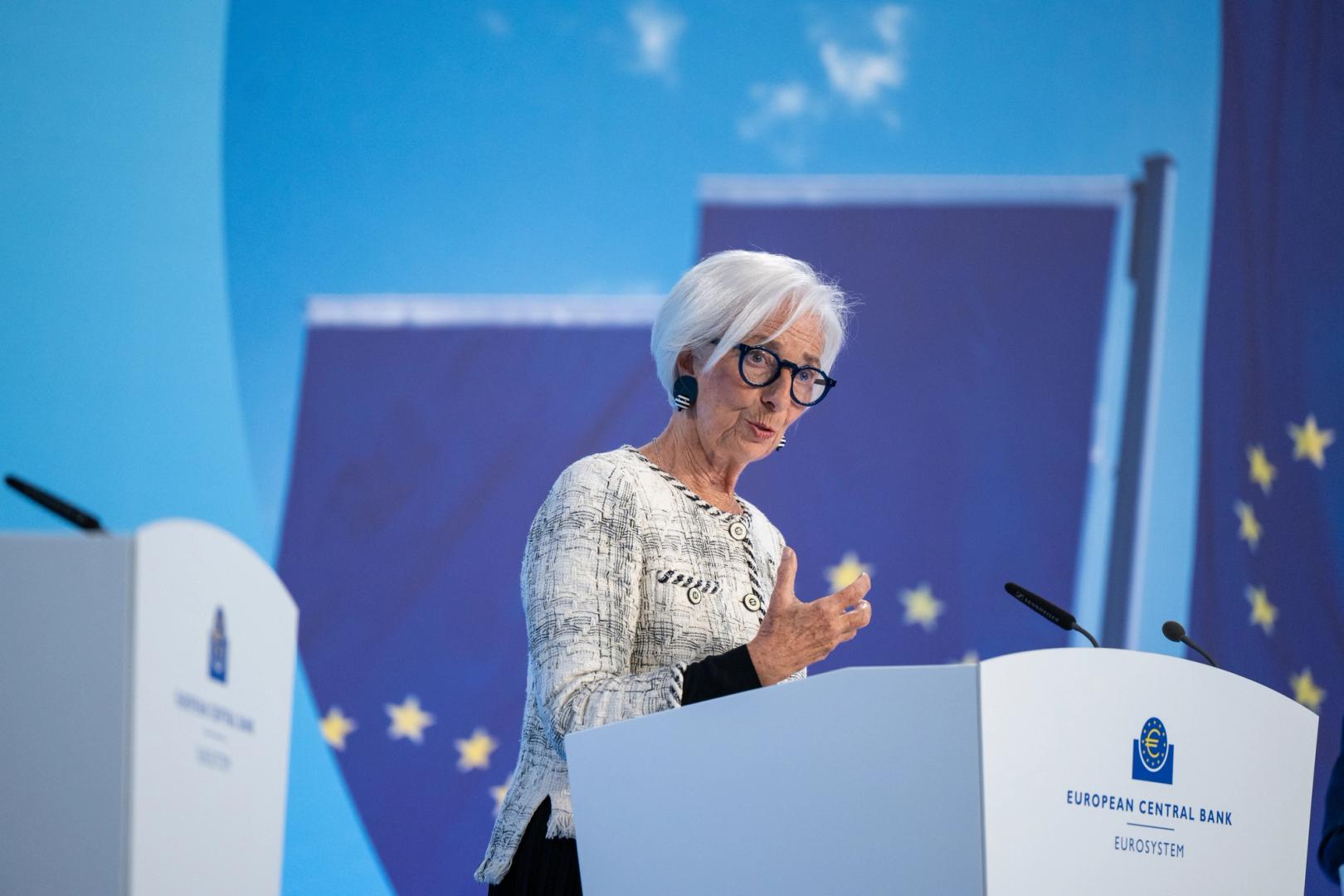
# ECB President Blocks Binance's EU Regulatory Path Through Backdoor Pressure
Christine Lagarde, president of the European Central Bank, intervened directly to prevent Binance from obtaining a Markets in Crypto-Assets (MiCA) license in the European Union, according to reporting from the Wall Street Journal. The ECB holds no formal licensing authority under MiCA, yet Lagarde's high-level pressure convinced Greek regulators to stall an application they had already deemed complete.
This represents a significant shift in how regulatory power operates across the EU bloc. MiCA established itself as the continent's framework for regulating crypto exchanges and service providers, with individual member states responsible for granting licenses through their financial supervisors. Greece's Financial and Monetary Committee received Binance's application and initially approved it as meeting all technical requirements. The intervention reversed that trajectory without changing any regulatory standard or legal basis.
Binance's push for a MiCA license would have granted the exchange formal legal status to operate across the 27-member European Union. Obtaining a license from one member state typically allows firms to passport their authorization to others, creating a unified regulatory pathway. Greece emerged as Binance's target jurisdiction after the exchange faced mounting pressure in other EU countries and globally.
The ECB's informal power play underscores institutional tensions within European regulatory structures. Central banks wield enormous influence over financial stability concerns, deposit flows, and systemic risk assessments. Though the ECB cannot directly reject crypto licenses, its president can shape policy through banking relationships and regulatory dialogue with national authorities. Greece, reliant on ECB support during past debt crises, faces institutional pressure when the central bank expresses concerns about individual market participants.
Lagarde has publicly criticized crypto assets as vehicles for financial crime and systemic risk. In recent years, she signaled the ECB's preference for stricter regulatory approaches to digital assets, warning that certain cryptocurrencies lack intrinsic value and pose consumer protection threats. Her intervention in Binance's application reflects these ideological positions translated into concrete regulatory action.
Binance has faced escalating regulatory challenges across multiple jurisdictions. The exchange shut down its UK operations, faced restrictions in Canada and Singapore, and dealt with ongoing enforcement action from U.S. authorities. The company agreed to pay 4.3 billion in settlement fines and restructured leadership to address compliance gaps. An EU license would have provided operational legitimacy despite these broader headwinds.
The Greek stall maneuver creates legal ambiguity. Regulators cannot formally reject an application deemed complete without documenting specific deficiencies. A stall allows indefinite delay without triggering appeals or transparency mechanisms. This procedural tactic protects the ECB and Greek authorities from legal challenge while achieving de facto blocking.
This episode reveals how central banking authority extends beyond formal mandate into informal veto power over market access. Other exchanges seeking MiCA licenses will notice that ECB opposition can derail applications regardless of technical compliance. Regulatory arbitrage within the EU becomes more difficult when the continent's most powerful financial institution can pressure member states to reject applications.
The crypto industry faces a harder EU path. MiCA promised clarity and legal status. Instead, it provides a framework that formal regulators can nominally follow while informal institutional pressure shapes real outcomes. Exchanges must now navigate not just technical requirements but also central banking sentiment and systemic risk concerns that lack transparent criteria.