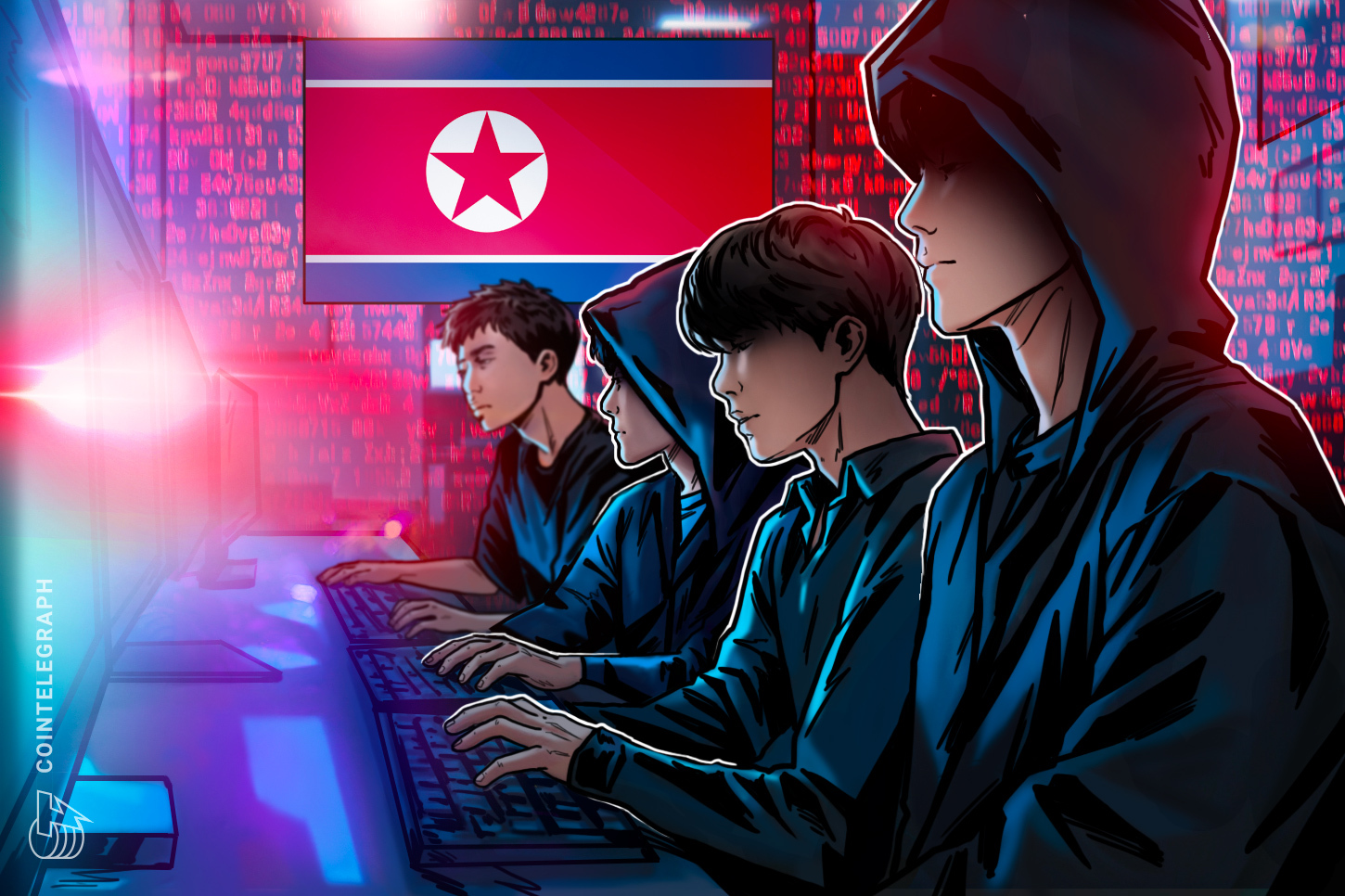
North Korean cyber group WaterPlum executed a sophisticated supply chain attack targeting software developers across the globe, infecting at least 30,000 devices and stealing $10.7 million in cryptocurrency through fraudulent job recruitment schemes.
The operation leveraged social engineering at scale. WaterPlum posed as recruiters for legitimate cryptocurrency, AI, and NFT companies, using fake job offers to lure developers into downloading trojanized applications. The malicious payloads included info-stealers and backdoors designed to harvest credentials, private keys, and sensitive data from infected systems. Victims spanned more than 100 countries, indicating a coordinated, well-resourced campaign with global reach.
This attack vector reflects a tactical shift in North Korean cyber operations. Rather than attacking infrastructure directly, state-sponsored groups now focus on infiltrating individual developers and engineering teams. Developers store high-value targets: cryptocurrency wallets, API keys, deployment credentials, and access to company systems. A single compromised developer can unlock access to entire organizations or custodial assets.
The $10.7 million theft underscores the financial motivation. North Korea faces severe international sanctions that restrict access to traditional financial systems. Cryptocurrency theft provides direct, difficult-to-trace revenue generation. The regime channels cyber operation profits into weapons development and nuclear programs, making these operations state-funded rather than opportunistic crime.
WaterPlum's targeting of crypto and NFT sectors specifically matters. Developers in these spaces handle private keys, smart contract deployment tools, and wallet infrastructure. Compromise at this layer enables theft at scale. The group's willingness to target AI and NFT companies alongside crypto operations suggests broader interest in technology sector supply chains.
Detection and attribution come from security firms monitoring malware signatures and command-and-control infrastructure. North Korean groups typically operate under different cover names across different campaigns. WaterPlum's attribution likely involved tracking infrastructure overlap, malware code similarities, and operational patterns matching known DPRK threat actors. The group's continued activity despite international sanctions indicates either inadequate deterrence or deliberate risk acceptance by Pyongyang.
Organizations can mitigate exposure through device hardening and credential segregation. Developer machines should enforce application whitelisting and restrict administrative privileges. Cryptocurrency teams must use hardware wallets for signing operations and implement multi-signature requirements for fund movements. Code review processes must scrutinize all dependencies and build artifacts.
Recruitment teams now face increased scrutiny. Adversaries exploit the speed and informality of tech hiring. Legitimate companies should verify all outbound recruiting communications and use official domain email addresses only. Job candidates should independently verify company contact information before downloading any software or sharing credentials.
The attack highlights how non-state actors and state-sponsored groups both recognize developer endpoints as high-value targets. The crypto ecosystem's rapid growth and relative youth means many security practices lag behind traditional software development. WaterPlum's success infecting 30,000 devices suggests that layered defenses remain uncommon in many development shops.
This campaign will likely drive increased security spending in crypto companies focused on endpoint protection and supply chain verification. It also strengthens the case for air-gapped systems and hardware security modules in any organization handling significant digital assets.