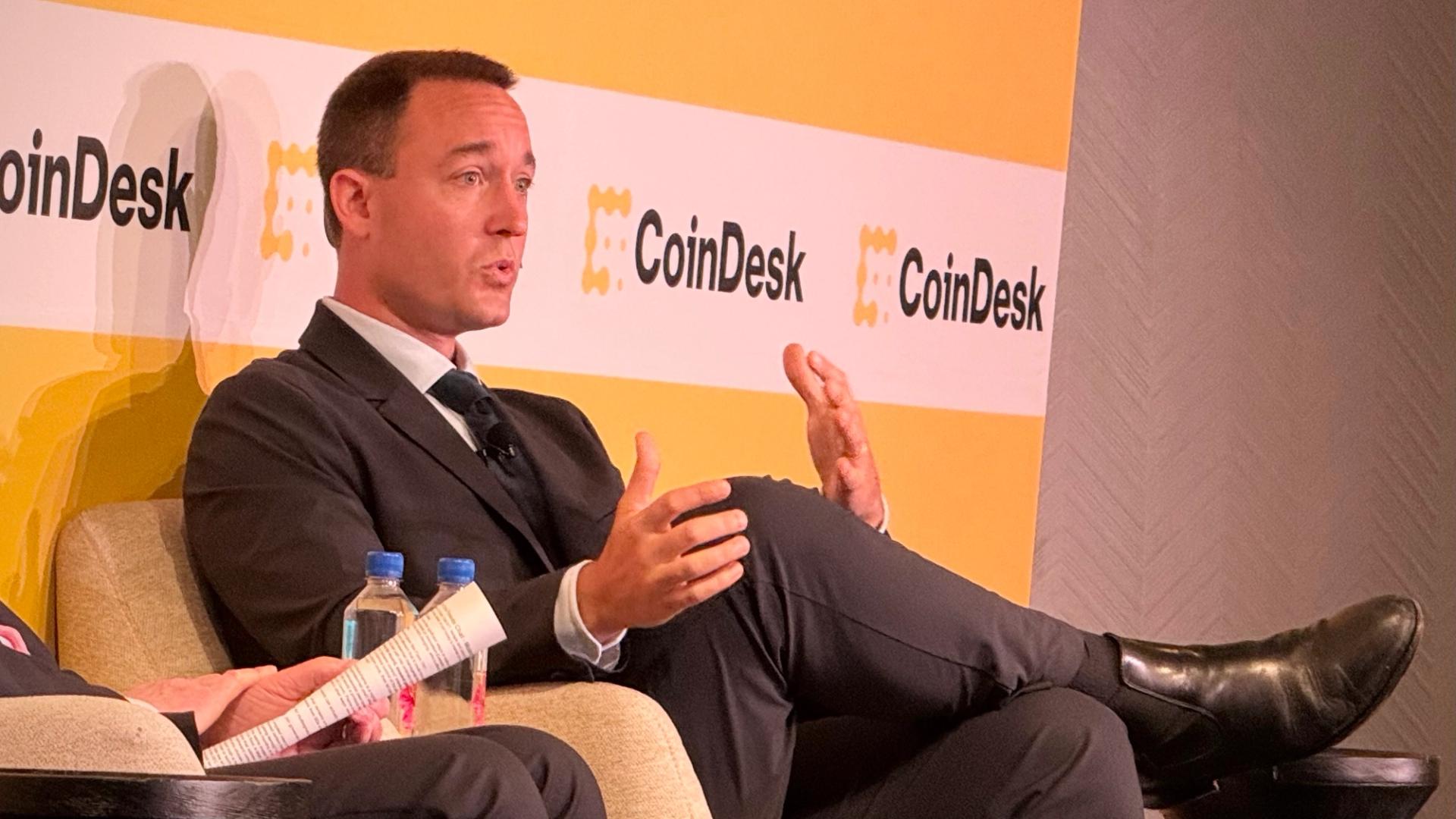
# SEC's Top Crypto Counsel Charts Regulatory Path on Asset Custody
Taylor Lindman, chief counsel of the SEC's Crypto Task Force, is mapping out how the agency plans to handle custody of digital assets. His focus reveals a shift in regulatory priorities: moving from outright skepticism toward pragmatic engagement with blockchain infrastructure.
Lindman's statements show the SEC recognizes a hard truth. Institutional adoption of crypto depends on custody solutions that satisfy regulators. Without clear guidance on how firms can safely hold digital assets, traditional financial institutions stay on the sidelines. The SEC needs to break this deadlock.
The agency's strategy involves de-risking custody for regulated entities. This means establishing clearer standards for how exchanges, broker-dealers, and custodians should handle private keys, cold storage arrangements, and insurance requirements. Lindman's role centers on translating technical realities into legal frameworks that institutional investors can operate within.
This represents a notable recalibration. The SEC under previous leadership treated crypto custody with extreme caution, often demanding security models that mirrored traditional asset classes. Digital assets don't work that way. Cold wallets, multi-signature setups, and distributed key management systems operate on fundamentally different principles than vault storage for equities or bonds. Lindman's counsel suggests the SEC now grasps this distinction.
The practical stakes are enormous. BlackRock, Fidelity, and other major asset managers have crypto custody products in various stages of development. Regulatory clarity accelerates their launch timelines and client adoption. Conversely, continued ambiguity keeps these offerings in extended beta phases.
Lindman's public positioning also signals internal consensus. The Crypto Task Force, launched in 2023, exists to coordinate across SEC divisions. When its top lawyer speaks about getting "firms comfortable" with blockchain technology, he's indicating the agency itself has become more comfortable with it. This matters because the SEC historically moved slowly on crypto, often losing court battles over the scope of its authority.
The custody conversation extends beyond simple asset storage. It touches custodian liability standards, operational security protocols, and what happens when a custodian faces hacking or insolvency. Each of these points touches the SEC's regulatory jurisdiction. Clear answers unlock capital deployment.
Lindman's engagement also shapes secondary effects. State regulators, FINRA, and the CFTC watch SEC moves carefully. If the SEC validates robust custody frameworks, other regulators feel emboldened to follow. Conversely, regulatory standoffs create jurisdictional fragmentation that stunts market infrastructure.
The path forward likely involves no-action letters, guidance documents, or formal rulemaking. The SEC favors the first two approaches for emerging areas. No-action letters let the SEC bless specific custody models without committing to broader rules. Guidance documents explain how existing regulations apply to crypto assets. Both approaches avoid the slow, politicized rulemaking process.
Lindman's counsel on custody also addresses a demographic shift in financial regulation. Younger regulators and staffers at the SEC grew up with internet-native technologies. They're less wedded to twentieth-century custody models. This generational change translates into faster institutional learning curves.
The custody question remains central to crypto's institutional phase. Retail traders hold self-custody keys. Institutions need custodians they can trust and regulators can supervise. Lindman's role is to build that bridge. His public statements suggest the SEC is finally ready to walk across it.