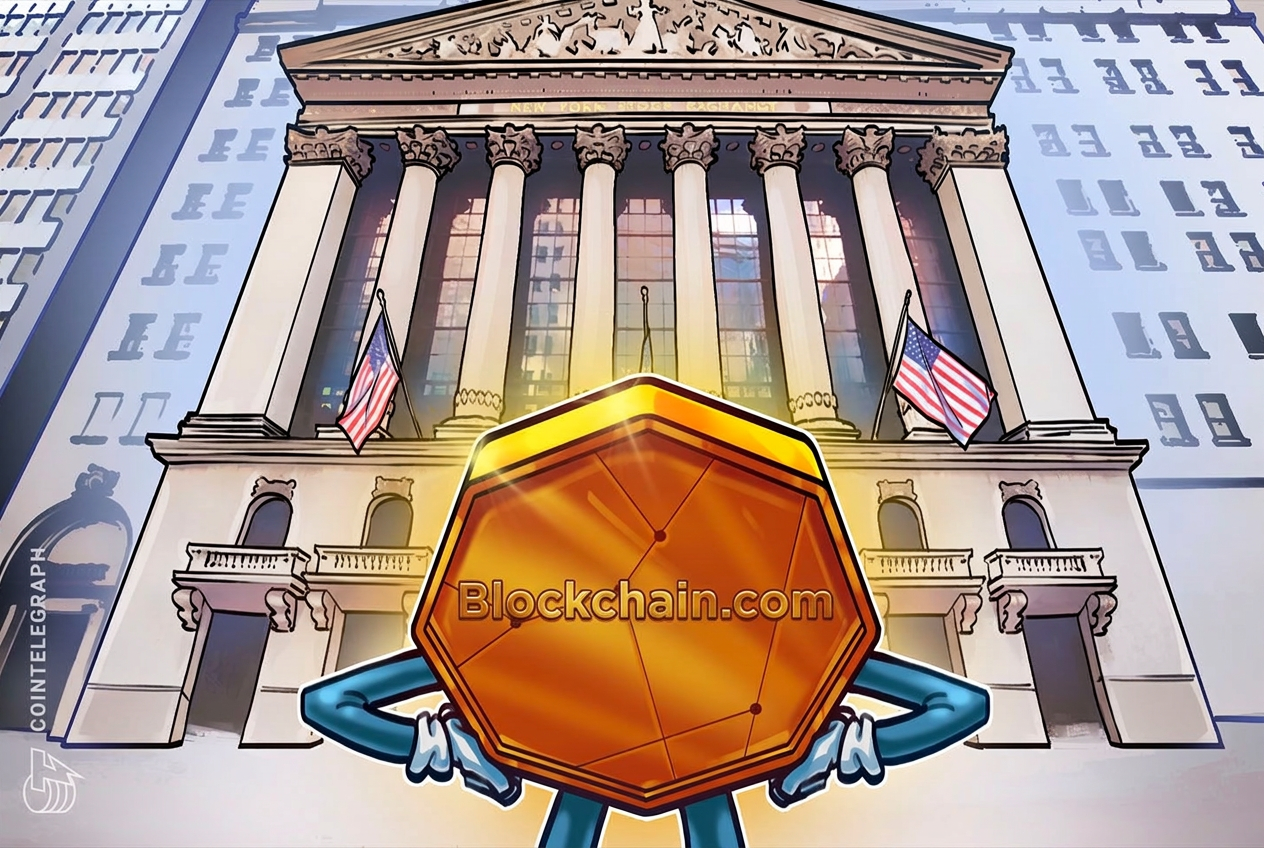
The New York Stock Exchange has partnered with Blockchain.com to bring tokenized versions of US stocks and exchange-traded funds directly to cryptocurrency users. The collaboration centers on NYSE's planned digital trading platform, which will tokenize traditional equities and make them tradeable within the crypto ecosystem.
This move positions NYSE to compete in the emerging market for tokenized securities. Traditional stock exchanges face pressure from blockchain infrastructure providers and fintech platforms racing to digitize equities. NYSE's partnership with Blockchain.com, one of the largest independently-owned crypto platforms by user base, gives the iconic exchange direct access to millions of crypto-native traders.
Tokenization converts securities into blockchain-based tokens, enabling fractional ownership, faster settlement times, and trading across borders without traditional intermediaries. For NYSE, the strategy acknowledges that institutional and retail traders increasingly hold assets in crypto wallets and exchanges. Rather than fight this trend, NYSE is embedding itself into the infrastructure.
Blockchain.com brings established custody capabilities and a global user base to the table. The platform already handles billions in digital asset volume and operates one of the oldest bitcoin blockchain explorers. By integrating NYSE tokenized securities, Blockchain.com adds traditional finance credibility to its offering while diversifying revenue streams beyond pure crypto trading.
The partnership reflects broader institutional adoption of blockchain technology. Major US equities like Apple, Tesla, and Microsoft could eventually trade as tokens on Blockchain.com's platform, removing friction for traders holding positions across traditional and digital assets. Settlement speeds accelerate from T2 (two days) to near-instant, and users avoid multiple account logins and custodians.
Regulatory approval remains the critical variable. The SEC has yet to greenlight broad tokenization of equities. Existing frameworks treat tokenized securities as regulated instruments requiring broker-dealer registration and compliance infrastructure. NYSE's backing provides regulatory legitimacy, but the exchange must still navigate approval processes. The Commodities and Futures Trading Commission and state regulators also have jurisdiction depending on how tokens are structured and marketed.
Competitors are already moving. Robinhood, PayPal, and traditional brokers have explored tokenized securities. International exchanges like Hong Kong's HKEX and Singapore's SGX have launched tokenization initiatives. The US market faces pressure to keep pace or risk losing trading volume to international markets with faster regulatory approval.
For Blockchain.com users, the integration removes a major friction point in accessing traditional markets. Crypto traders no longer split capital between custodians. A single wallet holds bitcoin, ethereum, and Tesla shares. This unified experience drives platform engagement and justifies premium features or trading fees.
The timeline for launch remains unclear, but NYSE's involvement signals execution is imminent rather than theoretical. Digital trading platforms require substantial backend development, regulatory correspondence, and market infrastructure testing. Expect a pilot phase with institutional investors before retail rollout.
This partnership represents NYSE's acknowledgment that tokenization is not a fringe experiment but an operational shift reshaping financial markets. Traditional exchanges adapt or cede market share to pure-play crypto platforms. NYSE chose adaptation.