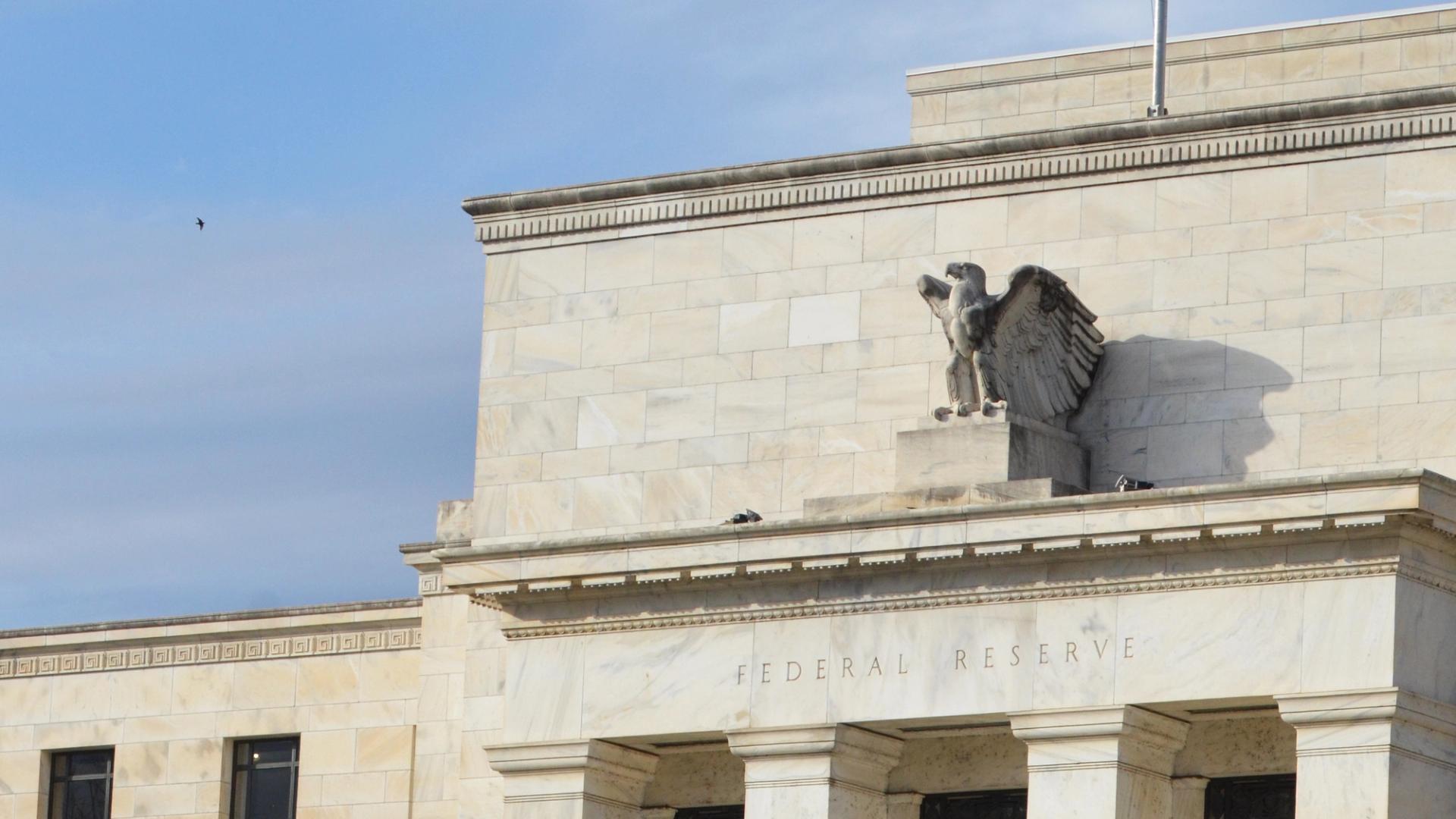
The Federal Reserve has formally advanced regulatory proposals to implement provisions from last year's GENIUS Act, marking the central bank's most concrete step yet toward establishing a federal framework for stablecoins. The proposals specifically target stablecoin yield programs, setting guardrails for how issuers can distribute returns to token holders.
The GENIUS Act, passed in 2023, grants the Federal Reserve and banking regulators explicit authority to oversee stablecoins as payment instruments. The legislation effectively transfers stablecoin regulation from a fragmented state-by-state system to federal oversight, a shift that industry participants have long demanded for clarity and scale.
The Fed's proposals focus on critical operational details. Stablecoin yield programs represent a significant liability for issuers. When Circle, Tether, or other operators generate returns through lending reserve collateral or liquidity provision, they face questions about whether these programs constitute deposit-taking, securities offerings, or something else entirely. The Fed's rules aim to define which yield structures pass regulatory scrutiny and which ones trigger heightened oversight requirements.
Key elements of the proposals include capital adequacy standards for stablecoin issuers, reserve composition requirements to ensure redemption capability, and disclosure rules for yield-bearing products. The Fed also addresses cybersecurity standards, ownership restrictions, and operational resilience measures. These provisions reflect lessons learned from stablecoin failures and the Terra-Luna collapse in 2022, which exposed weaknesses in transparency and reserve verification.
The timeline matters here. Federal agencies operate on lengthy comment periods. Public feedback on these proposals could extend six months or longer. Stablecoin issuers have already begun positioning for regulatory compliance. Tether, the largest stablecoin by market cap, has published detailed reserve disclosures and hired compliance officers. Circle, issuer of USDC, maintains the highest transparency standards among major competitors and has advocated loudly for clear federal rules.
Implementation creates immediate winners and losers. Established issuers with robust compliance infrastructure and deep regulatory relationships will navigate these rules more efficiently than startups. Smaller protocols attempting to launch competing stablecoins face higher barriers to entry. The proposals also create optionality for banks, which the Fed explicitly permits to issue stablecoins under federal charter, potentially offering an alternative path to traditional crypto operators.
The yield program restrictions carry particular weight for business models. Tether derives significant revenue from lending USDT reserves at high rates. Constraining these programs reduces issuer profitability while protecting consumers from yield-chasing behavior that historically leads to excessive risk-taking. The Fed's approach essentially mirrors existing banking deposit regulations, where the central bank limits rates paid on deposits to prevent moral hazard.
State regulators, particularly New York with its BitLicense regime, face pressure to align with federal standards or watch their regulatory authority erode. This creates tension between state autonomy and national harmonization. The proposals implicitly grant federal jurisdiction over an asset class that some states had attempted to control independently.
The Fed's move signals confidence that stablecoins represent a permanent fixture in payments infrastructure rather than a speculative fad. By implementing GENIUS Act provisions, the central bank treats stablecoin regulation as equivalent to traditional banking oversight. This regulatory maturation removes uncertainty that has constrained institutional adoption and international expansion for major issuers.