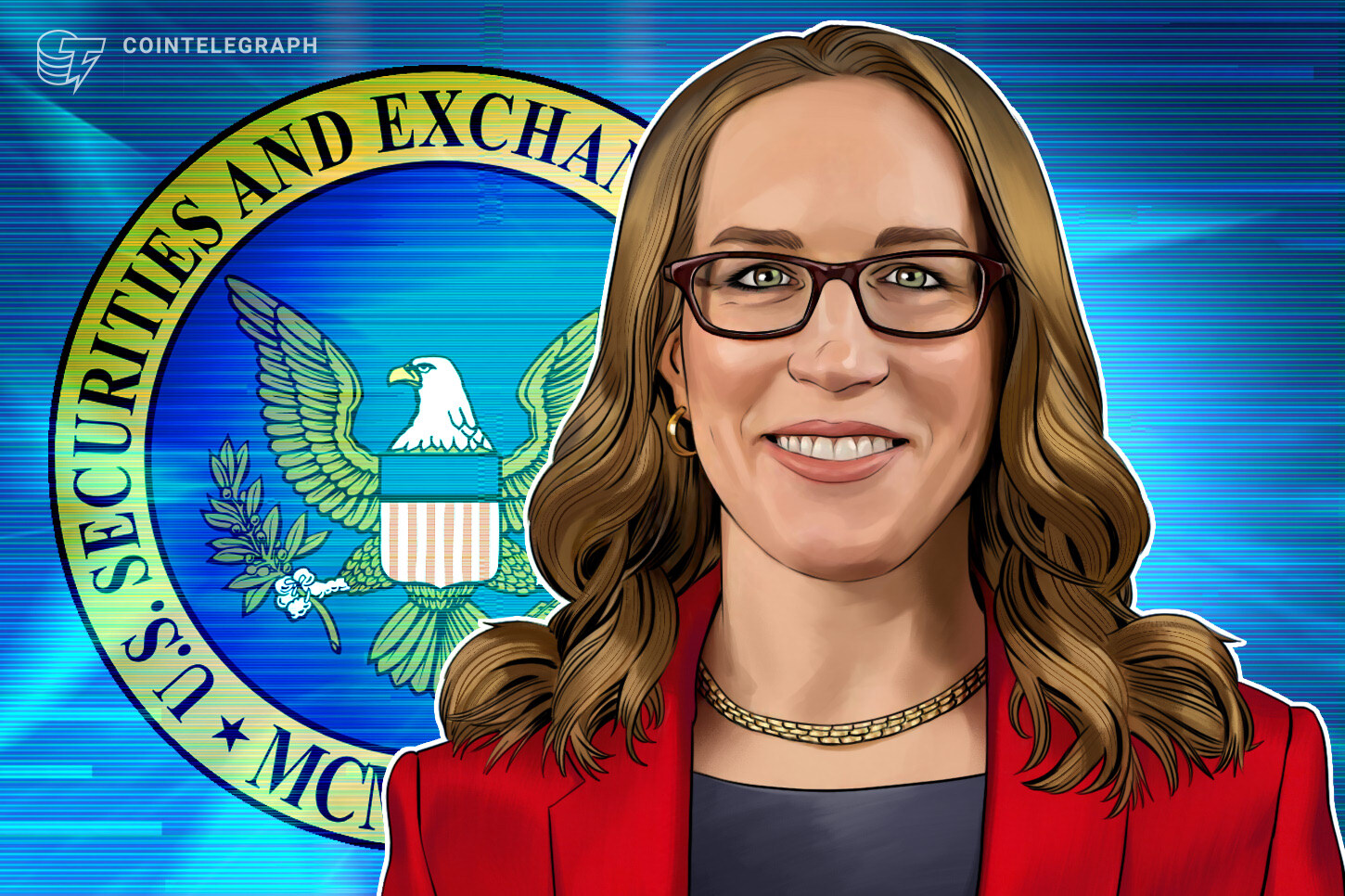
SEC Commissioner Hester Peirce steps down October 2 after eight years on the commission, marking a turning point for crypto regulation in Washington. Peirce, known across the industry as "Crypto Mom," led the SEC's Crypto Task Force and emerged as the agency's most vocal crypto advocate during her tenure.
Her departure removes a consistent dissenting voice from inside the SEC, a commissioner who regularly challenged the enforcement-heavy approach that has defined Gary Gensler's leadership. Peirce voted against major enforcement actions and pushed for clearer regulatory frameworks rather than case-by-case prosecutions. Her positions on crypto custody, staking, and exchange regulation differed sharply from the SEC majority under Gensler.
The timing matters. Peirce's exit comes as the crypto industry braces for potential policy shifts following the 2024 election cycle. Her replacement will be appointed by whoever controls the SEC chair position. If the administration changes, the commission's stance on digital assets could shift dramatically. If Gensler remains, the SEC likely maintains its aggressive posture on enforcement and rulemaking that Peirce opposed.
Peirce's track record includes pushing back on the SEC's rejection of spot Bitcoin ETFs, before those products eventually launched. She advocated for clearer guidance on staking rewards and repeatedly challenged the commission's treatment of decentralized finance protocols. Her dissents provided ammunition for industry lawyers and informed public testimony at countless hearings and congressional appearances.
The Crypto Task Force, which Peirce directed, represented a focused effort to coordinate SEC enforcement on digital asset matters. That body coordinated actions against major players like Celsius and Voyager Digital, but also signaled where the SEC's enforcement priorities lived. Peirce's leadership of that task force did not prevent aggressive enforcement, but her role there gave her influence over strategy and messaging.
For the crypto industry, losing Peirce means losing institutional memory and an inside-track understanding of SEC mechanics. She understood the political economy of financial regulation better than most commissioners. Her absence leaves no comparable advocate with SEC-level platform and authority.
The commission's direction depends entirely on appointment politics now. A successor crypto-friendly to Peirce's thinking would restore some balance to the five-member board. An appointee aligned with Gensler's enforcement philosophy would entrench the current approach for years.
Peirce's eight-year tenure spans the SEC's evolution from crypto skepticism to crypto enforcement to Bitcoin ETF approval. She witnessed the Dodd-Frank consequences, the rise of staking, the collapse of FTX, and the emergence of real-world asset tokenization. Her departing perspective carries weight because she saw the entire arc.
Her next move remains unclear. Former SEC commissioners typically move into law, consulting, or board positions. Industry firms will likely pursue her. Her opinions carry outsized credibility with regulators, Congress, and the White House, regardless of where she lands next.
The crypto policy infrastructure just lost its most recognizable and effective internal advocate. What replaces that voice reshapes everything about how digital assets get regulated for the next several years.