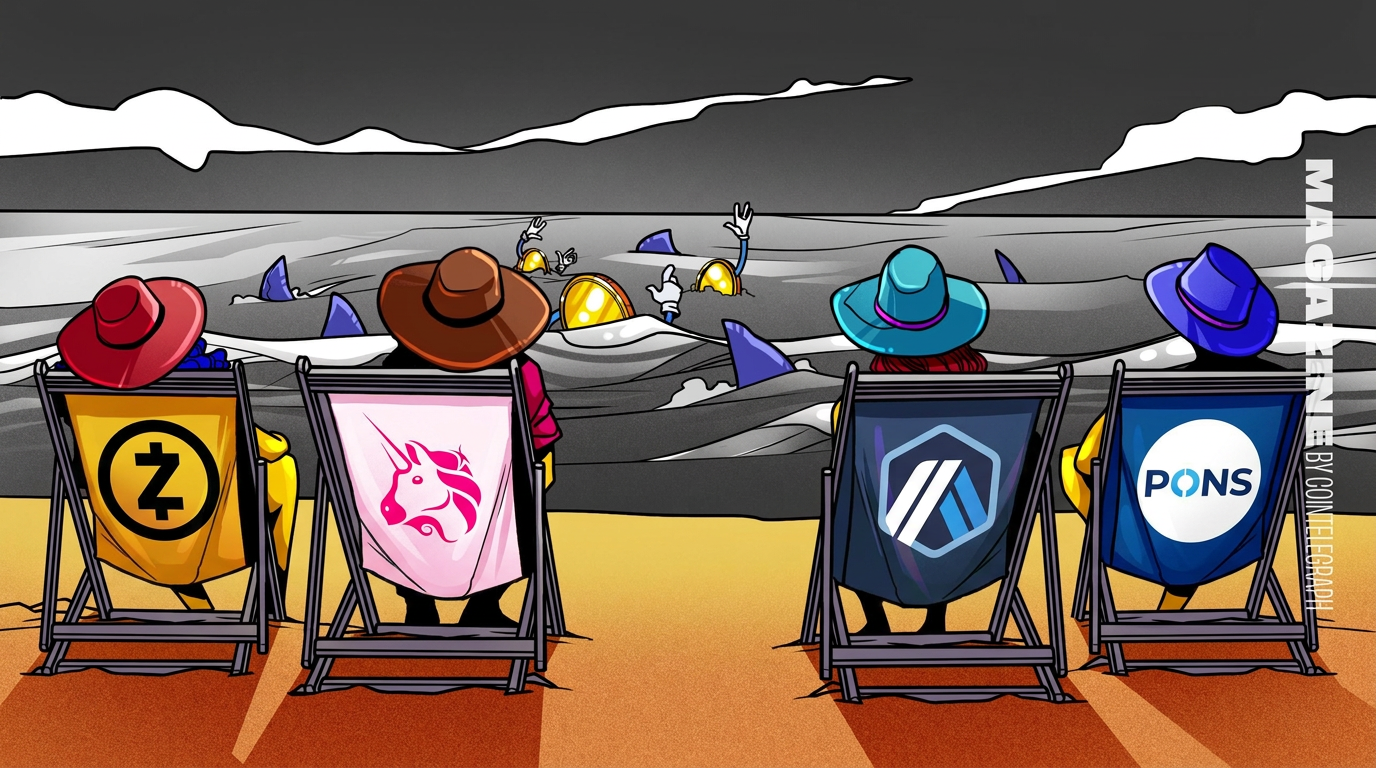
Bitcoin's dominance has ruled the crypto market for months, but altseason approaches and the shift in capital allocation reveals a maturing trader base unwilling to chase pure speculation.
Early indicators point toward altseason's arrival. Bitcoin's grip on trading volume has loosened. Ethereum and other layer-1 chains show strengthening technicals. Stablecoin flows into decentralized exchanges accelerate. These patterns historically precede periods when capital rotates from Bitcoin into alternative tokens.
But this cycle differs from 2017 and 2021. Traders are no longer throwing money at any token with a whitepaper. The days of mindless narrative chasing have ended. Instead, capital now flows toward protocols that generate actual revenue streams. Layer-2 solutions offering fee discounts and transaction throughput attract serious liquidity. Decentralized finance platforms with fee-based business models capture investment. Blockchain infrastructure projects demonstrating network growth and developer traction gain momentum.
The selectivity reflects lessons learned from previous crashes. The 2022 collapse wiped billions from altcoins with hollow fundamentals. FTX's collapse exposed the dangers of backing tokens with opaque financial structures. Celsius, Three Arrows Capital, and other collapses taught traders to scrutinize team credentials and balance sheets. These washouts filtered out retail speculators chasing moonshots.
Revenue-generating protocols hold advantages in this environment. They offer defensible valuations based on cash flows. Aave generates protocol revenue from lending spreads. Uniswap captures fees from swap volume. Lido earns staking rewards passed to token holders. These aren't pump-and-dump candidates. They function as equity-like instruments with real earnings potential.
Layer-2 networks represent another key narrative capturing capital. Arbitrum, Optimism, and Polygon address Ethereum's scalability bottleneck. As transaction costs on Ethereum mainnet remained elevated through 2024, layer-2s offered escape routes. Projects building on these networks attract development activity. Token incentive programs subsidize user adoption. The technical improvements translate to measurable metrics investors can track.
Interoperability protocols also draw scrutiny from discerning traders. Cross-chain bridges and messaging layers enable assets to flow between blockchains. Chainlink provides oracle infrastructure. Wormhole connects Solana to Ethereum and other chains. These protocols solve real problems for DeFi developers.
The shift toward quality creates opportunities for serious analysts. Projects with transparent metrics, active development teams, and genuine utility attract institutional capital. Venture funds backing layer-2 solutions and infrastructure projects bring credibility. Their participation signals reduced risk compared to anonymous shitcoins.
Price discovery will accelerate once altseason fully ignites. Coins supporting actual applications will outperform noise. Tokens with clear value propositions will separate from pure momentum plays. Bitcoin dominance will compress as Ethereum and quality alts gain percentage points.
The coming altseason won't replicate 2021's indiscriminate rally. Instead, expect a bifurcated market where utility and revenue drive gains while low-quality tokens lag. This environment rewards thorough research and punishes hope-based trading.