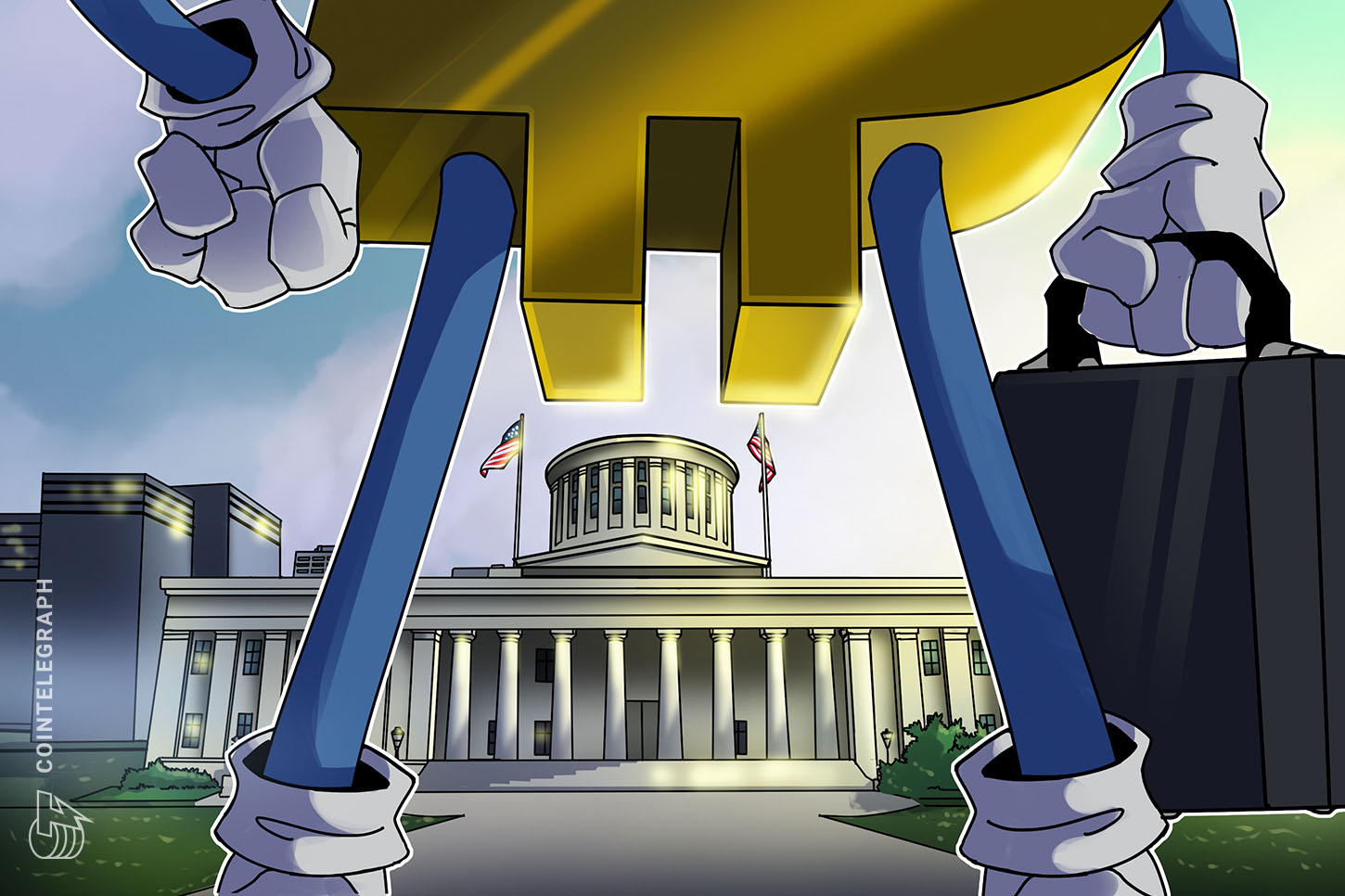
A cryptocurrency-backed political action committee has mobilized $11 million in spending against Senator Sherrod Brown in Ohio's Senate race, part of a broader $30 million commitment from the industry to oppose the Democratic incumbent.
Fairshake, the crypto PAC, deployed the funds through media buys targeting Brown's record on digital asset regulation. The spending reflects the industry's sustained effort to reshape Senate composition in favor of crypto-friendly legislators. Brown, a ranking member of the Senate Banking Committee, has positioned himself as a skeptic of loosely regulated cryptocurrency markets and has championed consumer protection frameworks that the industry views as hostile to innovation.
The $11 million represents only the initial tranche of Fairshake's planned $30 million campaign against Brown. This spending level mirrors the PAC's 2024 election intervention, when Fairshake spent tens of millions across multiple races to oppose crypto-skeptical candidates and support pro-blockchain politicians. The PAC emerged as one of the most aggressive political actors in the 2024 cycle, effectively reshaping Senate composition by targeting seats where regulation-minded incumbents held power.
Fairshake operates as a "dark money" organization, meaning it can accept unlimited contributions from undisclosed donors. This structure allows wealthy crypto entrepreneurs and firms to funnel substantial sums into electoral campaigns without public attribution. The PAC's funding sources remain opaque, though venture capital firms and blockchain companies have historically backed similar initiatives.
Brown represents a key target for the crypto industry. His tenure on the Banking Committee placed him at the center of debates over stablecoin regulation, cryptocurrency market manipulation, and the classification of digital assets under securities law. He supported the Digital Commodities Futures Association framework and backed tougher compliance requirements for crypto exchanges. These positions put him directly at odds with industry players seeking lighter regulatory hands.
The timing of Fairshake's spending reflects the strategic calculus within crypto politics. Senate turnover creates opportunities to replace skeptical legislators with allies. Brown faces a competitive race in a state that leans Republican in presidential contests, making Ohio a genuine battleground.
Fairshake's media strategy likely targets swing voters by framing Brown as out of step with Ohio's business interests. The crypto industry has refined messaging around "innovation," "economic growth," and "job creation" tied to blockchain development. In Ohio specifically, the narrative potentially connects to manufacturing decline and appeals to voters seeking new economic engines.
The spending also signals confidence within crypto circles that political leverage translates into regulatory outcomes. If crypto-backed candidates win key Senate seats, the industry gains negotiating power over legislation governing stablecoins, custody standards, and exchange licensing. A Senate favorable to crypto interests could block or water down Democratic proposals for comprehensive digital asset regulation.
This represents continuity in crypto's political strategy. Rather than building grassroots support or focusing on legislative education, the industry has opted for direct electoral intervention using bundled capital. The approach concentrates power among large token holders and venture capital firms rather than dispersing it across the broader cryptocurrency community.
Brown's race becomes a proxy battle over whether crypto regulation happens through industry-friendly channels or through consumer-protection-focused frameworks. His opponent will likely receive support from crypto PACs as well, creating a funding imbalance that favors candidates receptive to blockchain industry interests.